
Why You Can't Sleep: Common Causes of Insomnia
Before reaching for a supplement or sleep aid, it helps to understand why you are not sleeping. Insomnia is not a single condition. It is a symptom with dozens of possible causes, and the right treatment depends entirely on which cause applies to you.
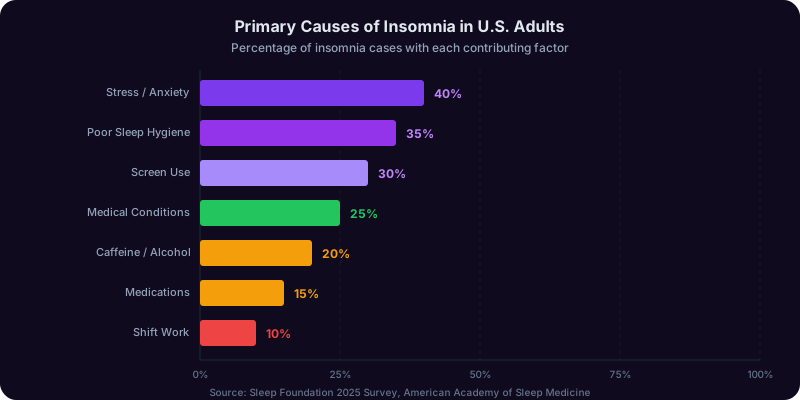
Stress and anxiety. This is the number one cause of acute insomnia. When your sympathetic nervous system stays activated at bedtime, your body produces cortisol and adrenaline that directly oppose the relaxation needed for sleep onset. Roughly 40% of insomnia cases have anxiety as a primary or contributing factor, according to the Sleep Foundation's survey data. If anxiety is contributing to your sleep issues, our guide on how to reduce anxiety naturally covers evidence-based techniques.
Poor sleep hygiene. Screens within 60 minutes of bedtime suppress melatonin production by up to 50%. Irregular sleep schedules confuse your circadian rhythm. Caffeine consumed within 6 hours of bedtime (its half-life is 5-6 hours) keeps adenosine receptors blocked. Alcohol may help you fall asleep but fragments your sleep architecture, reducing REM sleep by 20-30%.
Circadian rhythm misalignment. Night owls forced into early schedules, shift workers, and frequent travelers often have a circadian clock that does not match their required sleep time. This is not insomnia in the traditional sense but feels identical.
Medical conditions. Sleep apnea (affects roughly 25 million Americans), restless leg syndrome (5-10% of adults), chronic pain, GERD, thyroid disorders, and perimenopause/menopause all disrupt sleep. No supplement will fix these. They require medical evaluation and treatment. The NIH sleep apnea page provides detailed information on diagnosis and treatment.
Medications. SSRIs, beta-blockers, corticosteroids, stimulant ADHD medications, and some blood pressure drugs can all cause insomnia as a side effect. If your sleep problems started when you began a new medication, talk to your prescriber.
The Sleep Copilot can help you identify which factors are most likely contributing to your insomnia based on your specific symptoms, schedule, and health history.
Melatonin: How It Works, Dosage, and When It Helps
Melatonin is the most popular sleep supplement in the United States, with over $1.8 billion in annual sales. But most people use it incorrectly, at the wrong dose, and for the wrong type of insomnia.
What melatonin actually does. Melatonin is a hormone your pineal gland produces naturally in response to darkness. It does not knock you out. It signals to your body that it is time to prepare for sleep. Think of it as a "sunset signal" rather than a sedative. This distinction matters because melatonin is most effective for circadian rhythm issues, not for general insomnia.
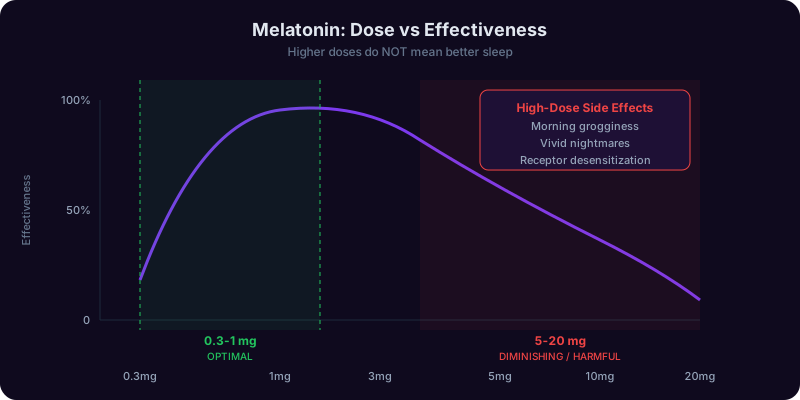
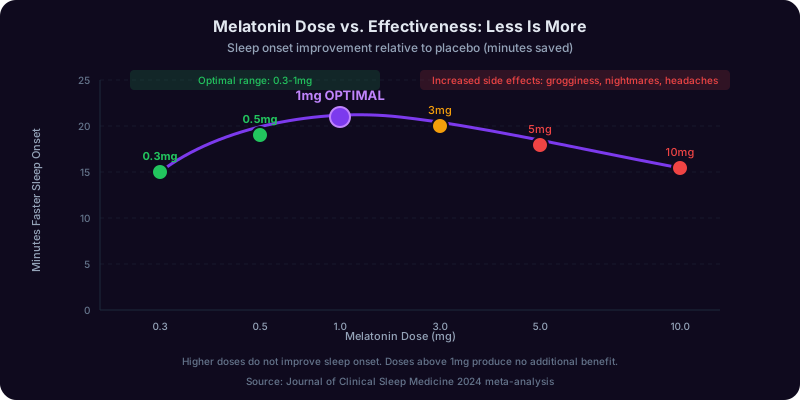
Effective dosage. This is where most people go wrong. Store shelves are stocked with 5mg, 10mg, and even 20mg tablets. Research consistently shows that 0.3mg to 1mg is the optimal dose for most adults. Higher doses (3mg+) can cause next-day grogginess, vivid nightmares, and paradoxically make sleep worse by desensitizing your melatonin receptors. A 2024 meta-analysis in the Journal of Clinical Sleep Medicine confirmed that doses above 1mg did not improve sleep onset or duration compared to lower doses. The NIH Office of Dietary Supplements provides a comprehensive review of melatonin research.
When to take it. Take melatonin 30-60 minutes before your target bedtime. For circadian rhythm shifting (jet lag, schedule changes), take it 2-3 hours before your desired sleep time for several consecutive nights.
Side effects. At appropriate doses (under 1mg), side effects are minimal. At higher doses: morning grogginess, headaches, dizziness, nausea, and vivid or disturbing dreams. Long-term safety data beyond 2 years is limited. Melatonin can interact with blood thinners, diabetes medications, immunosuppressants, and birth control pills.
When melatonin helps most:
- Jet lag recovery
- Shift work sleep adjustment
- Delayed sleep phase syndrome (natural night owls)
- Circadian rhythm resets
When melatonin probably will not help: Stress-related insomnia, sleep maintenance insomnia (waking at 3 AM), pain-related sleep disruption, or insomnia caused by anxiety. For these, other approaches work better.
Magnesium: Types, Dosage, and Evidence
The Mayo Clinic notes that magnesium deficiency is widespread. Magnesium has gained enormous popularity as a sleep aid, partly because approximately 50% of Americans do not get enough magnesium from their diet (the RDA is 310-420mg depending on age and sex). But not all magnesium supplements are equal for sleep.
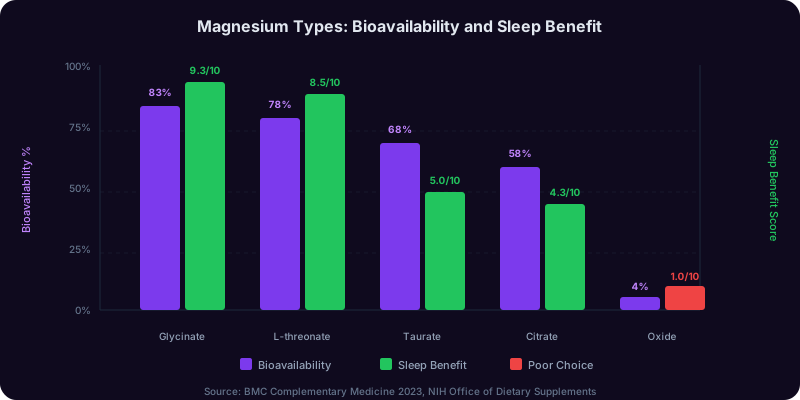
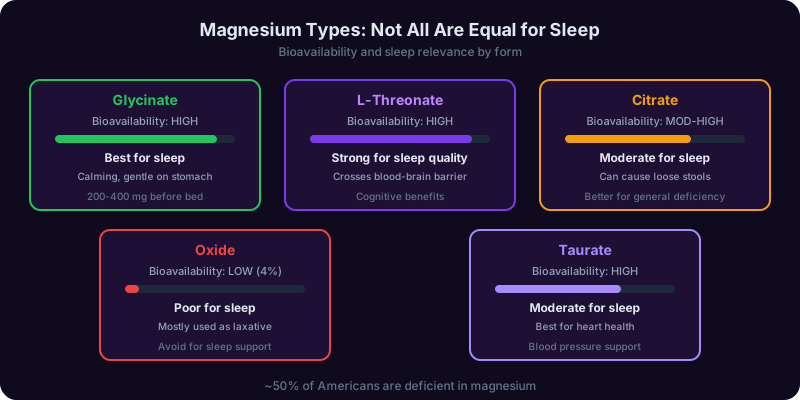
Types of magnesium and their relevance to sleep:
| Type | Bioavailability | Best For | Sleep Relevance |
| Magnesium glycinate | High | Sleep, anxiety, overall deficiency | Best choice for sleep |
| Magnesium L-threonate | High (crosses blood-brain barrier) | Cognitive function, sleep | Strong for sleep quality |
| Magnesium citrate | Moderate-High | General deficiency, digestion | Moderate (can cause loose stools) |
| Magnesium oxide | Low (4% absorption) | Heartburn, laxative | Poor choice for sleep |
| Magnesium taurate | High | Heart health, blood pressure | Moderate |
Recommended dosage for sleep: 200-400mg of elemental magnesium (glycinate or L-threonate form), taken 30-60 minutes before bed. Start with 200mg and increase if needed. The upper tolerable limit is 350mg from supplements (dietary magnesium does not count toward this limit).
What the evidence says. A 2023 systematic review in BMC Complementary Medicine found that magnesium supplementation improved subjective sleep quality in older adults with insomnia, with a moderate effect size. A 2022 randomized controlled trial showed magnesium glycinate (200mg) reduced sleep onset time by an average of 17 minutes and increased total sleep time by 16 minutes in adults with mild insomnia. The evidence is promising but not as robust as CBT-I.
Side effects. Magnesium is generally well-tolerated. The most common side effect is digestive upset, particularly with citrate and oxide forms. Glycinate is the gentlest on the stomach. Magnesium also supports healthy blood pressure (see our blood pressure guide). People with kidney disease should consult their doctor before supplementing, as the kidneys regulate magnesium excretion.
Magnesium works best for people who are deficient (common in those with high stress, poor diet, alcohol use, or certain medications like PPIs that deplete magnesium). If you are already getting 400mg+ daily from food, supplementing may not add much benefit. The Wellness Copilot can help you assess whether magnesium supplementation makes sense based on your diet and symptoms.

Get Answers From the Sleep Copilot
Tell the Sleep Copilot about your insomnia pattern - when it started, what you've tried, your sleep schedule - and get a step-by-step improvement plan.
CBT-I: What It Is, How It Works, and Success Rates
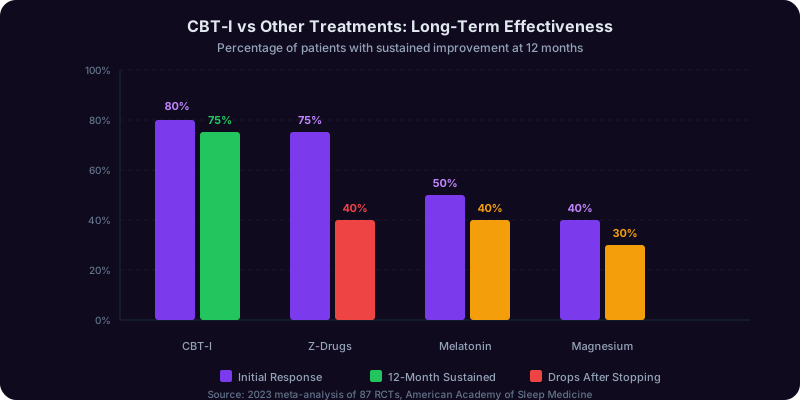
Cognitive Behavioral Therapy for Insomnia (CBT-I) is the gold standard treatment for chronic insomnia, recommended as the first-line treatment by the American College of Physicians, the American Academy of Sleep Medicine, and the European Sleep Research Society. It is more effective than medication for long-term results, yet most people have never heard of it.
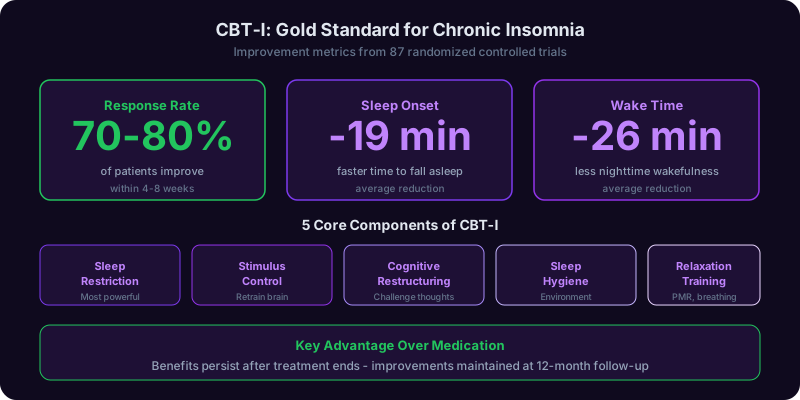
What CBT-I involves. CBT-I is a structured program, typically 6-8 sessions, that addresses the thoughts and behaviors perpetuating insomnia. It has five core components:
- Sleep restriction therapy. Paradoxically, you reduce time in bed to match your actual sleep time. If you sleep 5 hours but spend 8 hours in bed, you initially limit bed time to 5.5 hours. This builds sleep pressure and consolidates sleep. As efficiency improves, time in bed gradually increases.
- Stimulus control. You retrain your brain to associate the bed with sleep only. Rules include: go to bed only when sleepy, leave the bedroom if you cannot sleep within 20 minutes, no screens or reading in bed, and wake at the same time every day regardless of sleep quality.
- Cognitive restructuring. You identify and challenge anxiety-producing thoughts about sleep: "If I do not sleep 8 hours, tomorrow will be terrible" becomes "I have functioned fine on less sleep before, and one bad night does not ruin a day."
- Sleep hygiene education. Covers the environmental and behavioral factors (temperature, light, caffeine, alcohol, exercise timing) that support or undermine sleep.
- Relaxation techniques. Progressive muscle relaxation, diaphragmatic breathing, and body scan meditation to reduce physical tension at bedtime.
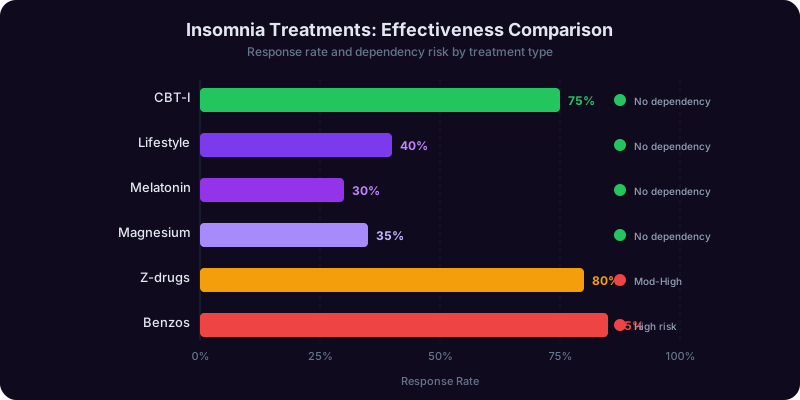
Success rates. CBT-I has a 70-80% response rate, with most patients experiencing significant improvement within 4-8 weeks. A 2023 meta-analysis of 87 randomized controlled trials found that CBT-I reduced sleep onset latency by an average of 19 minutes, reduced nighttime wakefulness by 26 minutes, and increased total sleep time by 30 minutes. Unlike sleep medications, these improvements persist after treatment ends, with benefits maintained at 12-month follow-up.
How to access CBT-I. Options include in-person therapy with a CBT-I specialist ($150-$300/session, often covered by insurance), digital CBT-I programs like Insomnia Coach (free, from the VA), Pear Therapeutics' Somryst (FDA-cleared, prescription required), and self-guided workbooks. The digital programs have shown effectiveness comparable to in-person therapy in multiple trials.
CBT-I is the only treatment that addresses the root cause of chronic insomnia rather than masking symptoms. If you have had trouble sleeping for more than 3 months, this should be your starting point.
Prescription Options Overview
The WebMD sleep medication guide provides an overview of prescription options. When supplements and CBT-I are not enough, prescription medications may be appropriate. This overview covers the major categories so you can have an informed conversation with your doctor. Never start or stop a prescription sleep medication without medical supervision.
Dual orexin receptor antagonists (DORAs). These are the newest class of prescription sleep aids and work by blocking wake-promoting orexin signals in the brain. They include suvorexant (Belsomra, $15-$400/month depending on insurance) and lemborexant (Dayvigo, similar price range). DORAs are generally well-tolerated, with less dependency risk than older sleep drugs. Common side effects: next-day drowsiness, headache. They are effective for both sleep onset and sleep maintenance insomnia.
Melatonin receptor agonists. Ramelteon (Rozerem, $10-$100/month generic) targets melatonin receptors specifically and has no abuse potential, making it unique among prescription sleep aids. It is most effective for sleep onset difficulty and has mild side effects (dizziness, fatigue). It is less effective than DORAs or Z-drugs for severe insomnia.
Z-drugs (sedative-hypnotics). Zolpidem (Ambien), zaleplon (Sonata), and eszopiclone (Lunesta) are effective but carry significant risks: dependence (can develop within 2-4 weeks), complex sleep behaviors (sleepwalking, sleep-eating, sleep-driving), rebound insomnia when discontinued, and next-day impairment. The FDA recommends the lowest effective dose and short-term use only. Zolpidem extended-release starts at 6.25mg for women and 6.25-12.5mg for men.
Benzodiazepines. Temazepam (Restoril), triazolam (Halcion), and others. Once the standard treatment, they are now recommended only when other options fail due to high dependence risk, tolerance development, cognitive impairment (especially in older adults), and withdrawal syndrome. The American Geriatrics Society lists benzodiazepines as potentially inappropriate for adults over 65.
Off-label options. Low-dose trazodone (25-100mg) is widely prescribed off-label for insomnia. It is a sedating antidepressant with low abuse potential. Gabapentin (100-300mg) helps with insomnia related to pain or restless legs. Low-dose doxepin (Silenor, 3-6mg) is FDA-approved for sleep maintenance insomnia.
The Medication Copilot can help you understand how these options compare, prepare questions for your doctor, and identify potential interactions with your current medications.
Lifestyle Changes That Actually Work
Before spending money on supplements or prescriptions, these lifestyle modifications are free and have strong evidence behind them. Many people find that fixing two or three of these resolves their insomnia entirely.
Temperature control. Your core body temperature needs to drop by about 1-2 degrees Fahrenheit to initiate sleep. The ideal bedroom temperature is 65-68 degrees Fahrenheit (18-20 Celsius). A warm shower or bath 60-90 minutes before bed paradoxically helps by dilating blood vessels in your extremities, which accelerates core temperature cooling afterward. A 2019 systematic review found that a warm bath 1-2 hours before bed reduced sleep onset time by an average of 10 minutes.
Light exposure management. Get 10-30 minutes of bright light within 1 hour of waking. This anchors your circadian rhythm and sets up a strong melatonin release 14-16 hours later. In the evening, dim lights 2 hours before bed. If you must use screens, use night mode (reduces blue light by 40-60%) and keep screen brightness below 50%. Blue-light-blocking glasses have limited evidence for sleep improvement, but reducing overall screen brightness does help.
Caffeine timing. The half-life of caffeine is 5-6 hours, but the quarter-life is 10-12 hours. A cup of coffee at 2 PM still has 25% of its caffeine active at midnight. The practical rule: no caffeine after noon if you have insomnia. This includes tea (30-50mg per cup), chocolate (10-30mg per serving), and pre-workout supplements.
Exercise timing. Regular exercise improves sleep quality significantly. If you are new to exercise, our beginner strength training guide is a good starting point. A 2023 meta-analysis found that consistent aerobic exercise reduced insomnia severity by 30-40%. However, timing matters: vigorous exercise within 2-3 hours of bedtime can delay sleep onset. Morning or afternoon exercise is ideal. Gentle yoga or stretching before bed is fine and may help.
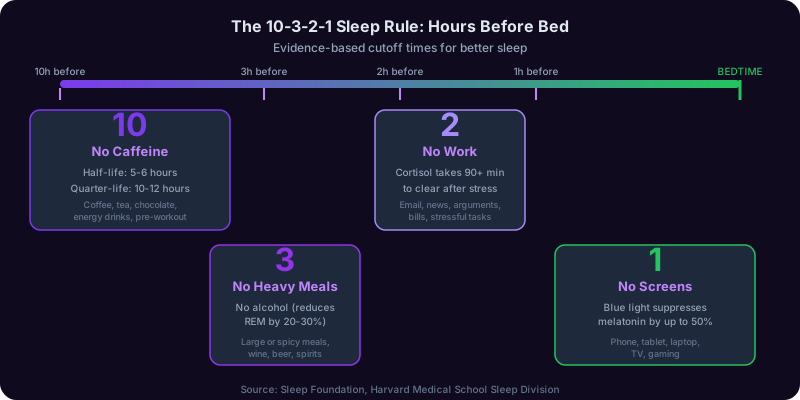
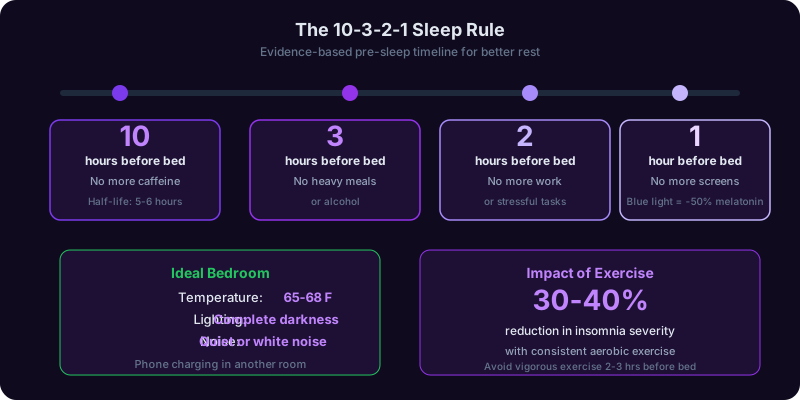
The 10-3-2-1 rule:
- 10 hours before bed: No more caffeine
- 3 hours before bed: No more heavy meals or alcohol
- 2 hours before bed: No more work or stressful tasks
- 1 hour before bed: No more screens
These changes are not glamorous, but they work. The Wellness Copilot can help you create a personalized sleep hygiene plan based on your schedule and lifestyle.
Comparison Table: All Options Side by Side
This table compares every major insomnia treatment option across the factors that matter most. Use it to narrow down which approaches fit your situation before discussing options with your healthcare provider.
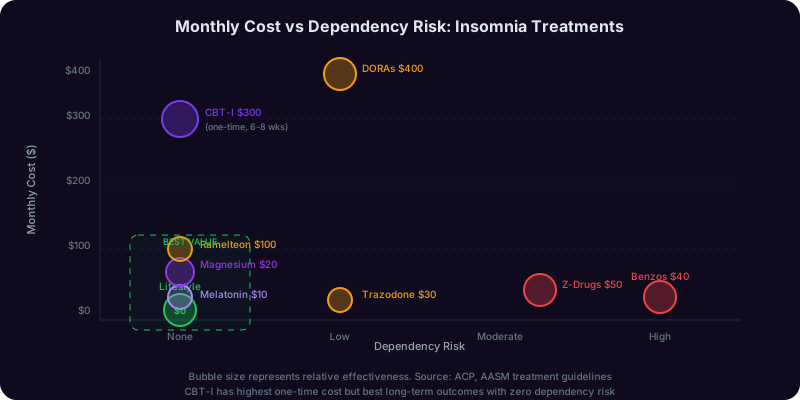
| Treatment | Best For | Effectiveness | Time to Work | Monthly Cost | Side Effects | Dependency Risk |
| CBT-I | Chronic insomnia (all types) | 70-80% response rate | 4-8 weeks | $0-$300 | Temporary increased tiredness | None |
| Melatonin (0.3-1mg) | Circadian rhythm issues, jet lag | Moderate for specific types | 1-3 days | $5-$15 | Minimal at low doses | None |
| Magnesium glycinate (200-400mg) | Deficiency-related insomnia, mild insomnia | Moderate | 1-4 weeks | $10-$25 | Digestive upset (rare with glycinate) | None |
| Lifestyle changes | Everyone with insomnia | High (30-40% reduction in insomnia severity) | 1-4 weeks | $0 | None | None |
| DORAs (suvorexant, lemborexant) | Moderate-severe insomnia | High | 1-3 days | $15-$400 | Next-day drowsiness | Low |
| Ramelteon | Sleep onset difficulty | Moderate | 1-7 days | $10-$100 | Dizziness, fatigue | None |
| Z-drugs (zolpidem, etc.) | Short-term severe insomnia | High (short-term) | Same night | $5-$50 | Complex sleep behaviors, next-day impairment | Moderate-High |
| Trazodone (off-label) | Insomnia with depression/anxiety | Moderate-High | 1-7 days | $5-$30 | Morning grogginess, dry mouth | Low |
| Benzodiazepines | Last resort for severe insomnia | High (short-term) | Same night | $5-$40 | Cognitive impairment, falls risk | High |
Key takeaway: CBT-I combined with lifestyle changes is the most effective long-term strategy for most people. Supplements like melatonin and magnesium can complement these approaches but rarely solve insomnia on their own. Prescription medications are appropriate for moderate-to-severe cases but work best when combined with behavioral changes.
Important note: If you snore loudly, wake gasping, or feel exhausted despite sleeping 7-8 hours, get evaluated for sleep apnea before trying any of these treatments. Sleep apnea affects roughly 25 million Americans and no supplement or behavioral therapy will fix it. It requires a sleep study and usually CPAP therapy.
Ready to figure out which approach fits your situation? The Sleep Copilot can walk you through a personalized assessment and help you prioritize which changes to make first.
Building Your Personal Sleep Plan
The best approach to insomnia is layered and personalized. Here is a step-by-step framework for building your own sleep plan, starting with the highest-impact, lowest-risk interventions.
Step 1: Rule out medical causes (Week 1). Before anything else, consider whether a medical condition might be causing your insomnia. See a doctor if you: snore loudly or gasp during sleep, have restless legs or periodic limb movements, started sleeping poorly after beginning a new medication, have untreated anxiety or depression, or have symptoms of thyroid dysfunction (fatigue, weight changes, temperature sensitivity).
Step 2: Implement lifestyle changes (Weeks 1-2). Start with the 10-3-2-1 rule. Set a consistent wake time (even on weekends) and keep your bedroom cool, dark, and quiet. Track your sleep for one week using a simple log: time in bed, estimated sleep onset, number of awakenings, morning wake time, and a 1-10 sleep quality rating. This baseline data helps you measure what works.
Step 3: Add a supplement if appropriate (Weeks 2-4). If lifestyle changes alone are not enough, try one supplement at a time so you can isolate its effect. For circadian rhythm issues: melatonin 0.5mg, 45 minutes before bed. For general insomnia or suspected magnesium deficiency: magnesium glycinate 200mg before bed, increasing to 400mg after one week if tolerated well. Give each supplement at least 2 weeks before judging effectiveness.
Step 4: Start CBT-I (Weeks 2-8). If insomnia persists after lifestyle changes, begin a CBT-I program. This can run concurrently with supplements. Options from most to least resource-intensive: in-person therapist, digital CBT-I app, self-guided workbook. The sleep restriction component is the most powerful but also the hardest. Expect 1-2 weeks of increased tiredness before improvement begins.
Step 5: Consult a doctor for persistent insomnia (Week 8+). If you have done all of the above for 8 weeks without meaningful improvement, see a sleep specialist. Bring your sleep log data. You may need a sleep study to rule out sleep apnea or other disorders, or a prescription medication to break the insomnia cycle while continuing CBT-I.
What a good sleep plan looks like in practice:
- Consistent 6:30 AM wake time, 10:30 PM lights out
- Magnesium glycinate 300mg at 9:30 PM
- No caffeine after 11 AM, no alcohol within 3 hours of bed
- 10-minute body scan meditation at 10:15 PM
- Bedroom at 67 degrees, blackout curtains, phone charging in another room
- If not asleep within 20 minutes, move to a chair in dim light and read until sleepy
The Sleep Copilot can help you build and refine a plan tailored to your specific insomnia pattern, schedule constraints, and health considerations.
For more on related health topics, read our guides on how to reduce anxiety naturally, ADHD symptoms in adults, and how to lower blood pressure naturally.
Frequently Asked Questions
Recommended Copilots
Recommended Copilots
Build a personalized sleep improvement plan based on your specific insomnia pattern
Try Free →Address anxiety or stress that may be contributing to your sleep issues
Try Free →Discuss whether your insomnia could have an underlying medical cause
Try Free →Related Articles
Get Answers From the Sleep Copilot
Tell the Sleep Copilot about your insomnia pattern - when it started, what you've tried, your sleep schedule - and get a step-by-step improvement plan.