Health & Wellness
CBT and Breathing Techniques That Calm Anxiety, No Therapist Required
Fewer than 40% of the 40 million American adults with anxiety disorders get treatment. This guide teaches the CBT techniques and breathing exercises you can practice on your own, plus the supplements with real evidence and the red flags that mean it is time for professional help.
Understanding Anxiety: When It Is Normal, When It Is a Disorder, and How Common It Really Is
Anxiety is not inherently a problem. It is a survival mechanism. When you feel your heart rate climb before a job interview or your palms sweat before a difficult conversation, your brain is doing exactly what evolution designed it to do: preparing you to face a threat. The amygdala, a small almond-shaped structure deep in your brain, activates your sympathetic nervous system, flooding your body with adrenaline and cortisol. In short bursts, this response sharpens focus, increases reaction time, and enhances performance. The trouble starts when this system fires too often, too intensely, or in the absence of any real danger.
Anxiety becomes a disorder when it is persistent, disproportionate to the situation, and interferes with daily functioning. The distinction matters because occasional anxiety is a normal part of being human, while an anxiety disorder is a medical condition that responds to specific treatments. Here is how to tell the difference:
| Normal Anxiety | Anxiety Disorder |
| Triggered by a specific stressor (exam, presentation, conflict) | Often occurs without a clear trigger or is vastly disproportionate to the trigger |
| Resolves when the stressor passes | Persists for weeks or months, even after the situation resolves |
| Does not significantly impair daily life | Interferes with work, relationships, sleep, or daily activities |
| You can manage it and function through it | You avoid situations, withdraw, or feel unable to cope |
| Physical symptoms are temporary | Physical symptoms are chronic: muscle tension, fatigue, digestive issues, insomnia |
Anxiety disorders are the most common mental health condition in the United States. According to the National Institute of Mental Health (NIMH), approximately 19.1% of U.S. adults (roughly 40 million people) had an anxiety disorder in the past year, and 31.1% will experience one at some point in their lifetime. Women are nearly twice as likely as men to be diagnosed, though this may partly reflect differences in help-seeking behavior rather than true prevalence. Among adolescents, the numbers are even higher: an estimated 31.9% of teens aged 13-18 have an anxiety disorder.
There are several distinct types of anxiety disorders, and understanding which one you are dealing with shapes the most effective approach:
- Generalized Anxiety Disorder (GAD): Persistent, excessive worry about multiple areas of life (health, finances, work, family) that occurs more days than not for at least 6 months. Affects 6.8 million adults in the U.S. People with GAD often describe their mind as unable to stop spinning, and the worry feels uncontrollable.
- Social Anxiety Disorder: Intense fear of social situations where you might be scrutinized or judged. It goes beyond shyness. People with social anxiety may avoid meetings, phone calls, dating, or eating in public. Affects 15 million adults and typically begins around age 13.
- Panic Disorder: Recurrent, unexpected panic attacks, which are sudden surges of intense fear accompanied by physical symptoms like chest pain, shortness of breath, dizziness, and a feeling of losing control or dying. Affects 6 million adults. Many people visit the emergency room during their first panic attack, convinced they are having a heart attack.
- Specific Phobias: Intense, irrational fear of a specific object or situation (flying, heights, spiders, blood). Affects 19 million adults and is the most common anxiety disorder overall.
- Agoraphobia: Fear of situations where escape might be difficult or help unavailable during a panic attack. Can lead to avoidance of public transportation, open spaces, enclosed spaces, crowds, or even leaving home. Affects about 1.7 million adults.
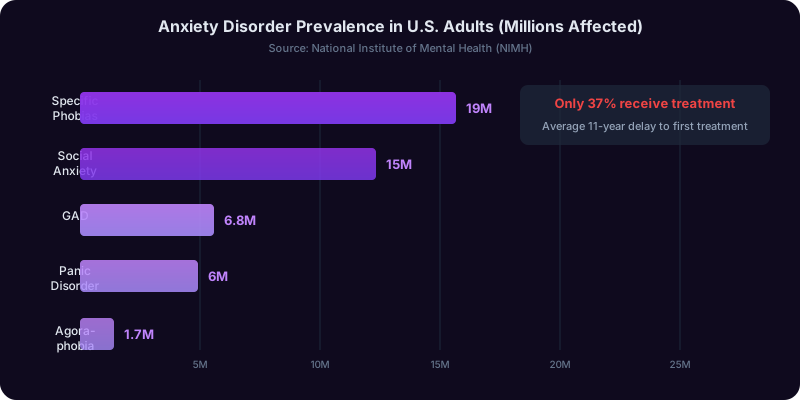
Despite being highly treatable, fewer than 37% of people with anxiety disorders receive treatment. The average delay between symptom onset and first treatment is 11 years. This gap exists partly because many people do not recognize their symptoms as a treatable condition, and partly because of persistent stigma around mental health care.
The strategies in this guide are evidence-based approaches that can meaningfully reduce anxiety symptoms. Many are effective on their own for mild to moderate anxiety. However, this guide is not a substitute for professional mental health care. If you are experiencing severe anxiety that significantly impairs your daily life, or if you are having thoughts of self-harm, please reach out to a mental health professional or call the 988 Suicide and Crisis Lifeline (call or text 988) for immediate support.
The Mental Health Copilot can help you better understand your symptoms, identify patterns in your anxiety, and explore which strategies from this guide are most relevant to your situation. For a broader view of how mental health connects with physical health, explore our health domain. If you suspect your anxiety may overlap with attention difficulties, our ADHD symptoms in adults guide covers the common overlap between anxiety and ADHD.
Cognitive Behavioral Techniques You Can Practice on Your Own
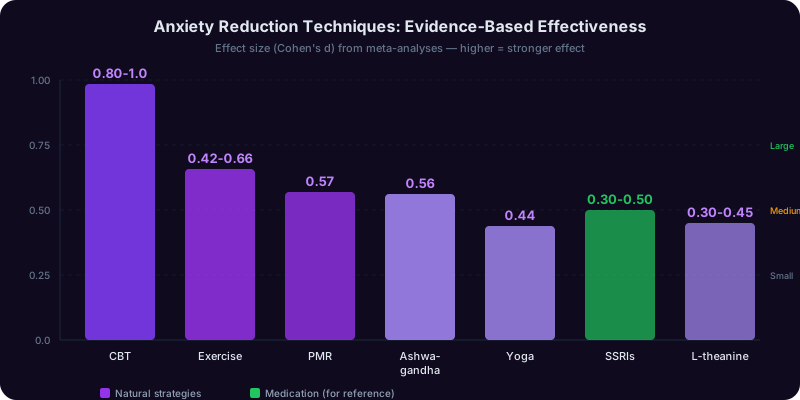
Cognitive Behavioral Therapy (CBT) is the most extensively studied psychotherapy for anxiety disorders. Over 300 randomized controlled trials have demonstrated its effectiveness, and it is recommended as a first-line treatment by the American Psychological Association, the National Institute for Health and Care Excellence (NICE), and virtually every major clinical guideline worldwide. A 2018 meta-analysis in Cognitive Behaviour Therapy found that CBT produces large effect sizes (d = 0.80-1.00) for anxiety disorders, meaning the average person who completes CBT is better off than roughly 80% of people who do not receive treatment.
The core insight behind CBT is that anxiety is driven not by events themselves, but by your interpretation of events. Two people can experience the same situation, say a coworker not responding to an email for two hours, and have completely different emotional responses. One thinks, "They are probably busy," and moves on. The other thinks, "They are angry at me. I said something wrong. I might get fired." Same event, different thought, different level of anxiety. CBT teaches you to identify and challenge these automatic, anxiety-fueling thoughts.
Thought Records: The Foundation of Self-CBT
A thought record is a structured exercise where you write down anxious thoughts and systematically examine them. Research shows that the act of writing engages different cognitive processes than just thinking, making it easier to gain perspective. Here is a step-by-step process: Try our AI workout planner for step-by-step help.
- Step 1 - Situation: Describe the specific event that triggered your anxiety. Be factual: "My boss asked to schedule a meeting tomorrow" rather than "My boss is going to fire me."
- Step 2 - Emotion: Name the emotion and rate its intensity from 0-100. "Anxiety: 85/100."
- Step 3 - Automatic thought: Write down the exact thought that went through your mind. "She is going to tell me my performance is inadequate and put me on a performance improvement plan."
- Step 4 - Evidence for: What facts support this thought? "I missed a deadline last week. She seemed short in her last email."
- Step 5 - Evidence against: What facts contradict this thought? "My last performance review was positive. She schedules regular check-ins with everyone. She was probably short because she was busy, not because she is angry."
- Step 6 - Balanced thought: Create a more realistic alternative. "The meeting could be about anything. My recent review was good. Even if she mentions the missed deadline, one missed deadline does not equal getting fired."
- Step 7 - Re-rate emotion: "Anxiety: 45/100."
This exercise works because anxiety thrives on vagueness. When worries stay in your head, they feel overwhelming and absolute. When you put them on paper and examine the evidence, they almost always shrink. Research published in Behaviour Research and Therapy found that regular use of thought records reduced anxiety symptoms by 40-60% over 8 weeks, even without a therapist guiding the process.
Common Cognitive Distortions in Anxiety
CBT identifies specific patterns of biased thinking, called cognitive distortions, that fuel anxiety. Learning to recognize them in your own thinking is the first step toward changing them:
| Distortion | Definition | Anxiety Example |
| Catastrophizing | Jumping to the worst-case scenario | "If I make a mistake in this presentation, I will be fired and never find another job" |
| Mind reading | Assuming you know what others think | "Everyone at this party thinks I am awkward and boring" |
| Fortune telling | Predicting negative outcomes as certainties | "This flight is going to crash. I just know it" |
| All-or-nothing thinking | Seeing things in black and white | "If I cannot do this perfectly, I am a complete failure" |
| Overgeneralization | Drawing broad conclusions from single events | "I froze up in that meeting. I am terrible at speaking in public" |
| Emotional reasoning | Treating feelings as facts | "I feel like something bad will happen, so something bad must be about to happen" |
| Should statements | Rigid rules about how things must be | "I should never feel nervous. Normal people do not feel this way" |
Behavioral Experiments
CBT is not just about thinking differently. It is about testing your anxious predictions against reality. Behavioral experiments are structured exercises where you deliberately do the thing you are afraid of and observe what actually happens, compared to what you predicted. For example, if you believe "If I speak up in a meeting, everyone will think I am stupid," the experiment is to speak up in the next meeting and then check: Did people actually react negatively? Did anyone laugh? Or did the conversation just move forward normally?
A 2020 study in Journal of Anxiety Disorders found that behavioral experiments produced faster symptom reduction than thought challenging alone, because they provide direct evidence that disconfirms anxious beliefs. The key is to write down your specific prediction beforehand ("People will laugh at my idea") and then honestly assess what happened afterward ("Two people nodded, one person built on my point, and nobody laughed").
Start small. If social situations trigger your anxiety, begin with low-stakes interactions like asking a store employee a question. Gradually work up to higher-stakes situations. This gradual approach, called graded exposure, is one of the most effective components of CBT for anxiety. The Mental Health Copilot can help you design behavioral experiments tailored to your specific anxiety triggers and track your predictions versus outcomes over time.
Breathing and Relaxation Techniques That Calm Your Nervous System
When anxiety strikes, your body shifts into sympathetic nervous system dominance: heart rate accelerates, breathing becomes rapid and shallow, muscles tense, and digestion slows. This fight-or-flight response is designed for physical threats, but modern anxiety triggers, like an overwhelming inbox or a social situation, activate the same physiological cascade. The good news is that you can manually override this response through specific breathing and relaxation techniques that activate the parasympathetic nervous system (your body's rest-and-digest mode).
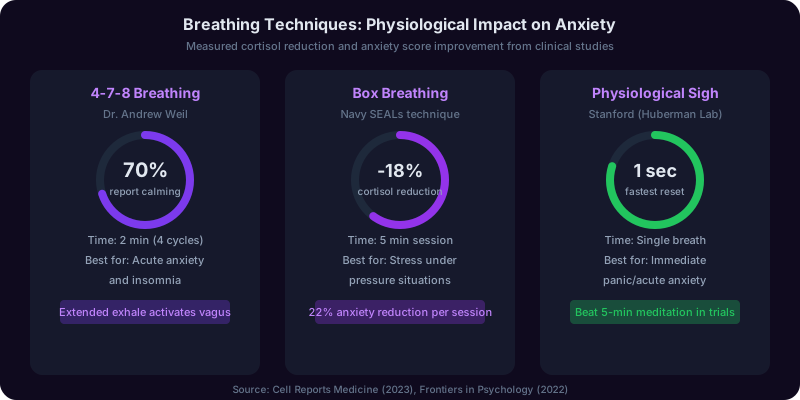
This is not a metaphor. A 2023 study published in Cell Reports Medicine by Stanford neuroscientist Dr. Andrew Huberman and colleagues compared several breathwork techniques head-to-head against mindfulness meditation. They found that just 5 minutes of structured breathing per day produced greater reductions in anxiety, negative mood, and physiological stress markers than 5 minutes of meditation. Breathing techniques work because they directly influence the vagus nerve, the longest cranial nerve in your body, which runs from your brainstem to your abdomen and controls the parasympathetic response.
The 4-7-8 Breathing Technique
Developed by Dr. Andrew Weil and based on the yogic practice of pranayama, this technique is particularly effective for acute anxiety and the racing thoughts that prevent sleep:
- Exhale completely through your mouth with a whooshing sound
- Inhale quietly through your nose for 4 seconds
- Hold your breath for 7 seconds
- Exhale slowly through your mouth for 8 seconds
- Repeat for 4 cycles
The extended exhale is the key. Exhalation activates the vagus nerve more powerfully than inhalation. By making your exhale twice as long as your inhale, you are directly stimulating the parasympathetic system. Most people notice a calming effect within 2-3 cycles. With regular practice (twice daily for 4-6 weeks), many people report that the technique becomes a conditioned relaxation response: the body begins calming down as soon as you start the breathing pattern.
Box Breathing (Navy SEAL Technique)
Used by the U.S. Navy SEALs, first responders, and elite athletes to maintain composure under extreme stress, box breathing is valued for its simplicity and effectiveness:
- Inhale for 4 seconds
- Hold for 4 seconds
- Exhale for 4 seconds
- Hold for 4 seconds
- Repeat for 4-8 cycles (about 2-4 minutes)
A 2022 study in Frontiers in Psychology found that box breathing reduced cortisol levels by 18% and self-reported anxiety by 22% within a single 5-minute session. Unlike the 4-7-8 method, box breathing has equal inhale and exhale lengths, making it easier for people who find breath-holding uncomfortable.
Physiological Sigh (The Fastest Reset)
The physiological sigh, highlighted in the Stanford study mentioned above, is possibly the fastest way to reduce acute anxiety. It involves a double inhale through the nose (one full inhale followed immediately by a short, sharp second inhale to maximally inflate the lungs) followed by a long, slow exhale through the mouth. This technique reinflates the tiny air sacs (alveoli) in your lungs that collapse during shallow, anxious breathing, which rapidly increases carbon dioxide offloading and signals the brain to calm down. A single physiological sigh can noticeably reduce heart rate within one breath.
Progressive Muscle Relaxation (PMR)
Developed by physician Edmund Jacobson in the 1930s, PMR systematically releases the muscle tension that accumulates with chronic anxiety. A 2020 meta-analysis in BMC Psychiatry found that PMR reduced anxiety symptoms by a moderate-to-large effect size (d = 0.57), comparable to some medications. The technique:
- Start with your feet: tense the muscles as tightly as you can for 5-7 seconds
- Release suddenly and notice the contrast between tension and relaxation for 15-20 seconds
- Move upward through calves, thighs, abdomen, chest, hands, arms, shoulders, neck, and face
- The full sequence takes 15-20 minutes
The power of PMR lies in the contrast. Many people with chronic anxiety do not realize how tense their muscles are because they have adapted to it. By deliberately tensing and releasing, you teach your body what relaxation actually feels like. With practice, you can eventually skip the tensing phase and simply scan your body and release tension wherever you find it, a technique called applied relaxation that takes only 30-60 seconds.
Vagal Nerve Stimulation Techniques
Beyond breathing, several other techniques directly stimulate the vagus nerve to promote calm:
- Cold water exposure: Splashing cold water on your face or holding a cold, wet cloth over your eyes and cheeks for 15-30 seconds triggers the mammalian dive reflex, which slows heart rate by up to 10-25%
- Humming or chanting: The vibration of humming stimulates the vagus nerve where it passes through the throat. A 2019 study in Medical Hypotheses found that 5 minutes of humming increased heart rate variability, a marker of vagal tone
- Gentle neck massage: The vagus nerve runs along both sides of the neck. Gentle circular massage of the carotid sinus area (just below the jaw) can promote relaxation
You do not need to master all of these techniques. Pick one breathing method and one relaxation method and practice them daily for 2 weeks. Consistency matters more than variety. The Mindfulness Copilot can guide you through these exercises step by step, help you establish a daily practice routine, and track which techniques produce the best results for you. If anxiety is also disrupting your sleep, our guide on melatonin versus magnesium for insomnia covers how to address the sleep side of the equation.
Exercise as Anti-Anxiety Treatment: What the Research Actually Shows
If exercise were a pill, it would be the most widely prescribed psychiatric medication in the world. The evidence for exercise as an anxiety treatment is not just strong; it is remarkably consistent across hundreds of studies, and in some cases, exercise performs as well as frontline pharmaceutical treatments.
A landmark 2021 meta-analysis published in the British Journal of Sports Medicine, covering 97 reviews and over 1,000 individual trials with more than 128,000 participants, concluded that physical activity had a medium-to-large effect on anxiety symptoms (effect size: 0.42-0.66). To put that in clinical context, most SSRIs (selective serotonin reuptake inhibitors) produce effect sizes of 0.30-0.50 for generalized anxiety. Exercise matches or exceeds this, without the side effects of medication.
A particularly striking 2022 study in the Journal of Affective Disorders directly compared 12 weeks of supervised exercise to 12 weeks of sertraline (Zoloft) in adults with generalized anxiety disorder. Both groups improved significantly, with no statistically significant difference between the exercise and medication groups at the end of the trial. At a 6-month follow-up, the exercise group actually maintained their gains better than the medication group, likely because exercise builds sustainable habits while medication effects end when you stop taking it.
How Much Exercise Do You Need?
The dose-response relationship is encouraging: you do not need to become an athlete. Here is what the research shows:
| Amount | Anxiety Reduction | Notes |
| Single session (20-30 min) | Temporary reduction lasting 2-6 hours | Useful for acute anxiety episodes |
| 75 min/week moderate intensity | Significant reduction (small-to-medium effect) | Half the general activity recommendation |
| 150 min/week moderate intensity | Optimal reduction (medium-to-large effect) | Meets WHO physical activity guidelines |
| 300+ min/week | Diminishing returns; potential for overtraining | Excessive exercise can increase anxiety in some people |
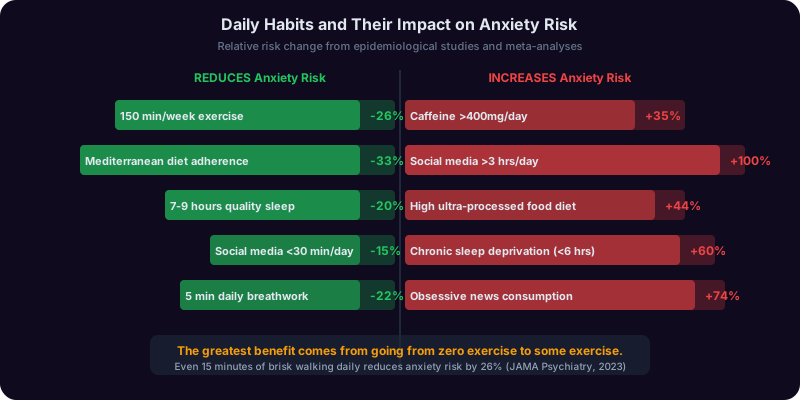
The most important finding for people currently struggling with anxiety: the greatest benefit comes from going from zero exercise to some exercise. Moving from completely sedentary to walking 30 minutes three times a week produces a larger proportional anxiety reduction than going from moderate to high activity levels. A 2023 study in JAMA Psychiatry found that even 15 minutes of brisk walking per day reduced anxiety risk by 26% compared to being sedentary.
Best Types of Exercise for Anxiety
Aerobic exercise (walking, jogging, cycling, swimming) has the most evidence behind it. It reduces anxiety through multiple mechanisms: increasing brain-derived neurotrophic factor (BDNF), which supports neural plasticity; modulating the HPA axis to reduce cortisol reactivity; increasing endocannabinoid levels (your body's natural cannabis-like molecules); and providing a form of interoceptive exposure, meaning it teaches your brain that elevated heart rate and heavy breathing are not dangerous.
Yoga deserves special mention. A 2020 meta-analysis in the Journal of Clinical Psychology found that yoga reduced anxiety with a moderate effect size (d = 0.44), comparable to aerobic exercise. Yoga combines physical movement with breathwork and mindfulness, hitting multiple anxiety pathways simultaneously. Hatha yoga and Iyengar yoga have the most research support. A 2024 randomized trial in JAMA Psychiatry found that Kundalini yoga was effective for generalized anxiety disorder, though CBT still outperformed it.
Resistance training (weight lifting, bodyweight exercises) also reduces anxiety. A 2017 meta-analysis in Sports Medicine found that resistance exercise produced a small-to-moderate effect (d = 0.31) on anxiety, regardless of training volume or whether participants had a diagnosed anxiety disorder. The structured, repetitive nature of strength training may provide a grounding effect that counteracts the mental restlessness of anxiety. For a complete program, see our beginner strength training guide.
Overcoming the Catch-22
Here is the frustrating reality: anxiety often makes it harder to exercise. Social anxiety may make the gym feel impossible. Generalized anxiety may make leaving the house feel overwhelming. Panic disorder may make elevated heart rate feel terrifying. If this resonates with you, start with the smallest possible step:
- Walk for 10 minutes around your block. That is it. Do not set a bigger goal yet.
- Exercise at home if public settings trigger your anxiety. YouTube has thousands of free workout videos. Bodyweight exercises require no equipment.
- Start with yoga if elevated heart rate scares you. It provides anxiety benefits without the intensity of cardio.
- Bring a friend or family member if social anxiety makes solo outings difficult.
- Focus on consistency, not intensity. Three 10-minute walks per week is far better than zero 45-minute gym sessions.
The Fitness Copilot can help you design an anxiety-adapted exercise plan that respects your current limitations while gradually building your capacity. It can suggest home workouts, low-intimidation activities, and progressive programs that grow with your confidence. The key is starting somewhere, anywhere, and building from there.
Diet and the Gut-Brain Connection: How What You Eat Affects How You Feel
The idea that food affects mood is no longer folk wisdom. It is a rapidly maturing field of research called nutritional psychiatry, and the evidence connecting diet to anxiety is substantial and growing. Your gut contains over 500 million neurons (more than your spinal cord), produces approximately 95% of your body's serotonin, and communicates directly with your brain through the vagus nerve. This gut-brain axis means that what you eat does not just affect your physical health; it directly shapes your mental state.
The Mediterranean Diet and Anxiety
The Mediterranean diet is the most studied dietary pattern for mental health. It emphasizes fruits, vegetables, whole grains, legumes, nuts, olive oil, and fish while limiting processed foods, refined sugars, and red meat. A 2019 meta-analysis in Psychosomatic Medicine covering 26 observational studies found that people with the highest adherence to the Mediterranean diet had a 33% lower risk of anxiety and depression compared to those with the lowest adherence.
A 2024 systematic review in Nutritional Neuroscience further confirmed that dietary interventions emphasizing whole foods, particularly those rich in omega-3 fatty acids, polyphenols, and fiber, produced significant reductions in anxiety symptoms. The SMILES trial, a landmark randomized controlled trial, found that dietary improvement alone reduced depression and anxiety scores by 32% over 12 weeks, with participants following a modified Mediterranean diet guided by a dietitian.
Specific Nutrients That Matter for Anxiety
Omega-3 fatty acids: A 2018 meta-analysis in JAMA Network Open covering 19 clinical trials with 2,240 participants found that omega-3 supplementation (at doses of 2,000 mg or more of EPA per day) significantly reduced anxiety symptoms, with an effect size comparable to some medications. The best food sources include fatty fish (salmon, mackerel, sardines), walnuts, flaxseeds, and chia seeds. Aim for at least two servings of fatty fish per week.
B vitamins: B6, B12, and folate are essential cofactors in the production of serotonin, dopamine, and GABA, the neurotransmitters most involved in anxiety regulation. A 2022 study in Human Psychopharmacology found that high-dose B-complex supplementation (containing 50-100 mg of B6) reduced self-reported anxiety by 20% over 4 weeks compared to placebo. Deficiency in B12 is particularly common among vegetarians, vegans, and older adults.
Magnesium: Often called "nature's relaxant," magnesium modulates the HPA axis and GABA receptors. We will cover it in detail in the supplements section, but dietary magnesium is important: dark leafy greens, pumpkin seeds, almonds, dark chocolate, and avocados are excellent sources. An estimated 50% of Americans do not meet the recommended daily intake of 400-420 mg for men and 310-320 mg for women.
What to Limit or Avoid
Caffeine: Caffeine is the most widely consumed psychoactive substance in the world, and its relationship with anxiety is dose-dependent. At moderate doses (up to 200 mg, roughly 2 cups of coffee), caffeine improves alertness with minimal anxiety effects in most people. But at doses above 400 mg (4+ cups of coffee), caffeine can trigger or worsen anxiety symptoms by blocking adenosine receptors, increasing cortisol and adrenaline, and mimicking the physical sensations of a panic attack (rapid heartbeat, restlessness, trembling). People with panic disorder are particularly sensitive. A study in Psychopharmacology found that 480 mg of caffeine induced panic attacks in 61% of people with panic disorder versus only 7% of controls. If anxiety is a problem, try reducing caffeine to under 200 mg per day for 2 weeks and see if symptoms improve.
Alcohol: Many people use alcohol to self-medicate anxiety, and it does provide short-term relief by enhancing GABA activity. But this comes at a steep cost. As alcohol is metabolized, it causes a rebound excitatory effect, meaning anxiety actually increases 4-8 hours after drinking, often peaking the next morning (a phenomenon sometimes called "hangxiety"). Chronic alcohol use downregulates GABA receptors, requiring more alcohol to achieve the same calming effect and increasing baseline anxiety levels over time. A 2019 meta-analysis in Addiction found that reducing or eliminating alcohol improved anxiety symptoms by a significant margin within 3-6 months.
Ultra-processed foods: A 2022 study in Public Health Nutrition found that people consuming the most ultra-processed foods had a 44% higher risk of anxiety compared to those consuming the least. These foods (packaged snacks, sugary cereals, fast food, processed meats) promote inflammation, disrupt the gut microbiome, and cause blood sugar swings that can trigger or worsen anxiety symptoms. If anxiety-related digestive symptoms are a concern, our guide on why your stomach hurts can help you distinguish between anxiety-driven GI issues and other causes.
The Gut Microbiome: Your Second Brain
The gut microbiome, the trillions of bacteria living in your digestive tract, is emerging as a major player in anxiety regulation. Certain bacterial strains produce neurotransmitters like GABA and serotonin, modulate inflammation, and communicate with the brain through the vagus nerve. A 2019 meta-analysis in BMJ General Psychiatry found that interventions targeting the gut microbiome (probiotics and dietary changes) significantly reduced anxiety symptoms, with probiotic interventions showing greater effects than non-probiotic dietary changes.
The most studied probiotic strains for anxiety include Lactobacillus rhamnosus, Bifidobacterium longum, and Lactobacillus helveticus. However, the field is still young, and the most reliable way to support a healthy gut microbiome is through diet: eat a diverse range of plant foods (aim for 30 different plants per week, including fruits, vegetables, grains, legumes, nuts, seeds, herbs, and spices), consume fermented foods like yogurt, kefir, sauerkraut, and kimchi, and eat plenty of prebiotic fiber from garlic, onions, bananas, asparagus, and oats.
The Nutrition Copilot can help you build an anti-anxiety eating plan based on your dietary preferences, track your nutrient intake, and suggest specific foods to increase your omega-3, magnesium, and fiber intake. For guidance on how nutrition intersects with blood pressure management, see our guide to lowering blood pressure naturally.
Supplements for Anxiety: What the Evidence Supports, What It Does Not, and Safety Considerations
The supplement market is flooded with products claiming to reduce anxiety, and separating genuine evidence from marketing hype requires careful analysis. Below is an honest breakdown of the most commonly discussed supplements, ranked by the quality and consistency of the research behind them. Keep in mind that supplements are not regulated by the FDA for efficacy before they reach the market, and quality varies dramatically between brands. Look for products with third-party testing from organizations like USP, NSF International, or ConsumerLab.
Evidence Summary Table
| Supplement | Evidence Level | Typical Dose | Effect Size | Key Notes |
| Ashwagandha | Moderate-Strong | 300-600 mg/day (root extract, standardized to withanolides) | Medium (d = 0.48-0.76) | Most studied adaptogen for anxiety; reduces cortisol by 15-30% |
| Magnesium | Moderate | 200-400 mg/day (glycinate or threonate form) | Small-Medium | Most beneficial if deficient; glycinate preferred for anxiety; threonate for cognition |
| L-theanine | Moderate | 200-400 mg/day | Small-Medium (d = 0.30-0.45) | Found naturally in green tea; promotes alpha brain waves; fast-acting (30-60 min) |
| CBD (Cannabidiol) | Emerging-Moderate | 25-300 mg/day | Variable | Most evidence from acute dosing studies; dose and quality vary widely; legal status varies by state |
| Lavender oil (Silexan) | Moderate | 80-160 mg/day (Silexan formulation) | Medium (d = 0.45) | Only the Silexan formulation has clinical evidence; comparable to low-dose lorazepam in one trial |
| Passionflower | Weak-Moderate | 500 mg extract/day | Small | One small RCT found it comparable to oxazepam; more research needed |
| Valerian root | Weak | 300-600 mg/day | Inconsistent | More studied for sleep than anxiety; evidence is mixed |
| Kava | Moderate (but safety concerns) | 120-240 mg kavalactones/day | Medium | Effective but linked to liver toxicity in rare cases; banned in several countries |
The Strongest Evidence: Ashwagandha
Ashwagandha (Withania somnifera) is an adaptogenic herb with the most robust evidence base for anxiety among all supplements. A 2022 systematic review in the Journal of Clinical Medicine covering 12 randomized controlled trials found that ashwagandha supplementation significantly reduced anxiety scores on validated measures (Hamilton Anxiety Rating Scale, Beck Anxiety Inventory) with a pooled effect size of d = 0.56. The mechanism appears to involve modulation of the HPA axis, with studies showing cortisol reductions of 15-30% after 8 weeks of use.
The most studied formulation is KSM-66, a full-spectrum root extract standardized to 5% withanolides. In a 2019 double-blind RCT in Medicine, 600 mg per day of KSM-66 reduced anxiety scores by 56% versus 30% in the placebo group over 8 weeks. Side effects were minimal: occasional drowsiness and mild gastrointestinal discomfort. However, ashwagandha can interact with thyroid medications (it may increase thyroid hormone levels) and immunosuppressants, and it is not recommended during pregnancy.
Magnesium: The Deficiency Connection
Magnesium is involved in over 300 enzymatic reactions in the body, including the regulation of the stress response. It modulates GABA receptors (the same receptors targeted by benzodiazepines), blocks NMDA receptors (reducing excitatory neural activity), and helps regulate the HPA axis. A 2017 systematic review in Nutrients found that magnesium supplementation reduced subjective anxiety in people who were mildly anxious or experiencing PMS-related anxiety. The effect was most pronounced in those who were magnesium-deficient at baseline.
Magnesium glycinate is preferred for anxiety because glycine itself has calming properties and the form is well-absorbed with fewer gastrointestinal side effects than magnesium oxide or citrate. Magnesium L-threonate is the only form shown to cross the blood-brain barrier efficiently, making it potentially more effective for cognitive and neurological benefits, though it is more expensive. For more on the comparison between magnesium forms, see our guide on melatonin versus magnesium for insomnia.
L-Theanine: Fast-Acting Calm
L-theanine is an amino acid found primarily in tea leaves. It promotes relaxation without sedation by increasing alpha brain wave activity, the brain wave pattern associated with wakeful calm. A 2019 randomized controlled trial in Nutrients found that 200 mg of L-theanine reduced stress-related symptoms and improved cognitive function under stress compared to placebo. Effects are noticeable within 30-60 minutes of ingestion, making it useful for situational anxiety (before a presentation, flight, or social event). L-theanine has an excellent safety profile and no known significant drug interactions, making it one of the lower-risk supplement options.
CBD: Promising but Complicated
Cannabidiol (CBD) has generated enormous public interest for anxiety, and there is legitimate preliminary evidence. A 2019 study in The Permanente Journal found that 25-75 mg of CBD per day reduced anxiety scores in 79% of participants within the first month. A 2019 double-blind trial in Neuropsychopharmacology found that a single 300 mg dose of CBD significantly reduced anxiety during a simulated public speaking test compared to placebo.
However, significant caveats exist. The CBD market is poorly regulated, and independent testing has found that many products contain less CBD than advertised, while some contain undisclosed THC, heavy metals, or pesticides. Dosing has not been standardized, and the optimal dose appears to follow an inverted U-curve: moderate doses reduce anxiety, but very high doses may not be more effective or could paradoxically increase anxiety. CBD also interacts with several medications by inhibiting cytochrome P450 enzymes, the same liver enzymes that metabolize many common drugs. If you take any medications, consult your doctor before using CBD.
A critical reminder: Supplements can be helpful additions to an anxiety management plan, but they should not be your only strategy. The techniques in the other sections of this guide, particularly CBT, exercise, and breathing techniques, have stronger and more consistent evidence. The Wellness Copilot can help you evaluate which supplements might be worth trying based on your specific situation and flag potential interactions with any medications you take.
Digital Wellness and Screen Time: How Your Phone May Be Fueling Your Anxiety
The devices designed to connect us may also be making us more anxious. The evidence linking excessive screen time, particularly social media use, to anxiety has grown substantially in recent years, and while the relationship is nuanced, the patterns are clear enough to warrant attention and practical changes.
What the Research Shows
A 2023 meta-analysis in Clinical Psychology Review covering 55 studies and over 120,000 participants found a significant positive association between social media use and anxiety symptoms, with the strongest effects seen in adolescents and young adults. The relationship was dose-dependent: people spending more than 3 hours per day on social media had roughly twice the risk of anxiety symptoms compared to those using it less than 30 minutes per day.
Several mechanisms drive this connection:
- Social comparison: Instagram, TikTok, and other image-heavy platforms create a constant stream of curated, idealized portrayals of other people's lives. A 2022 study in Cyberpsychology, Behavior, and Social Networking found that just 10 minutes of browsing Instagram increased appearance anxiety and body dissatisfaction in both men and women, with the effect strongest among those who viewed images of attractive peers rather than celebrities.
- Doom scrolling and news anxiety: Continuous exposure to negative news activates the threat-detection systems in your brain. A 2022 study in Health Communication found that obsessive news consumption during crises was associated with a 74% increase in anxiety symptoms and a 54% increase in stress symptoms, even when controlling for actual proximity to the crisis event.
- Notification-driven hypervigilance: The average smartphone user receives 80+ notifications per day. Each notification triggers a micro-dose of cortisol as your brain evaluates whether it requires attention. A 2021 study in Computers in Human Behavior found that even the presence of a phone on a desk (not being used, just visible) reduced cognitive performance and increased anxiety by occupying attentional resources.
- Sleep disruption: Blue light from screens suppresses melatonin production, and stimulating content activates the sympathetic nervous system. Using a phone within 30 minutes of bedtime is associated with delayed sleep onset, reduced sleep quality, and increased next-day anxiety. The sleep-anxiety cycle is particularly vicious: anxiety disrupts sleep, and poor sleep worsens anxiety.
- Phantom phone anxiety (nomophobia): The term "nomophobia" (no-mobile-phone phobia) describes the anxiety experienced when separated from your phone. A 2021 meta-analysis found that nomophobia affected approximately 21% of adults at a moderate-to-severe level, with higher rates among younger adults.
The Experimental Evidence Is Even More Compelling
Correlational studies cannot prove causation. But experimental studies, where researchers randomly assign people to change their phone behavior, are more telling. A 2022 randomized controlled trial published in the Journal of Experimental Psychology assigned participants to limit social media use to 30 minutes per day for 3 weeks. Compared to the control group, the social media reduction group showed significant decreases in anxiety, depression, and loneliness, with improvements visible within the first week.
A separate 2024 study by the University of Bath found that a one-week complete break from social media reduced anxiety by a statistically significant margin and improved self-reported well-being. Participants initially reported discomfort and FOMO (fear of missing out), but these feelings largely subsided by day 3-4.
Practical Digital Detox Strategies
A total digital detox is unrealistic for most people. Here are evidence-informed strategies that reduce anxiety without requiring you to throw away your phone:
| Strategy | Implementation | Expected Impact |
| Set time limits | Use built-in screen time tools (iOS Screen Time, Android Digital Wellbeing) to cap social media at 30-60 min/day | Reduced comparison anxiety, more time for anxiety-reducing activities |
| Turn off non-essential notifications | Keep only calls, messages from close contacts, and calendar. Disable all social media notifications | Fewer cortisol micro-spikes throughout the day |
| Create phone-free zones | No phones in the bedroom, at the dinner table, or during the first hour after waking | Better sleep, more present in relationships, calmer mornings |
| Grayscale mode | Switch your phone display to grayscale (available in accessibility settings on both iOS and Android) | Reduces the dopamine-driven appeal of colorful app icons and content |
| Curate your feed ruthlessly | Unfollow or mute accounts that trigger comparison, envy, or outrage. Follow accounts that educate, inspire, or make you laugh | Transforms social media from anxiety trigger to neutral or positive experience |
| Schedule news check-ins | Check news at 2 set times per day (e.g., morning and evening) rather than continuously | Reduces doom-scrolling and news-related anxiety spikes |
| Use a physical alarm clock | Keep your phone outside the bedroom at night. Use a $10 alarm clock instead | Eliminates pre-sleep scrolling and middle-of-night phone checks |
One important nuance: not all screen time is equal. Passive consumption (scrolling through feeds, watching without interacting) is most strongly associated with anxiety. Active use (messaging friends, creating content, participating in meaningful communities) shows a weaker or even positive association with well-being. The goal is not to eliminate technology but to use it intentionally rather than reactively.
The Mindfulness Copilot can help you create a personalized digital wellness plan and suggest mindful alternatives to fill the time you reclaim from screens. For those whose screen-related anxiety is affecting sleep, pair these strategies with the advice in our insomnia guide.
When to Seek Professional Help: Red Flags, Therapy Types Compared, and Medication Overview
The natural strategies in this guide can meaningfully reduce anxiety for many people, particularly those with mild to moderate symptoms. But they have limits, and knowing when to escalate to professional treatment is just as important as knowing how to help yourself. Delaying professional care when it is needed can allow anxiety to become more entrenched and harder to treat. Try our AI symptom checker for step-by-step help.
Red Flags That Signal You Need Professional Help
Consider seeking help from a mental health professional if any of the following apply:
- Your anxiety is persistent: Symptoms have lasted most days for 6 months or more and have not improved significantly with self-help strategies
- You are avoiding important parts of life: Skipping work, canceling social plans, avoiding phone calls, or not leaving the house because of anxiety
- Panic attacks are recurring: You have had multiple unexpected panic attacks, and you live in fear of the next one
- Sleep is severely disrupted: Despite good sleep hygiene, anxiety keeps you awake most nights, and daytime functioning is impaired
- You are using substances to cope: Increasing alcohol, cannabis, or benzodiazepine use to manage anxiety
- Physical symptoms are worsening: Chronic muscle tension, digestive problems, headaches, or chest tightness that your doctor has attributed to anxiety
- Your relationships are suffering: Anxiety is causing significant conflict, withdrawal, or dysfunction in your relationships
- You are having thoughts of self-harm or suicide: Call 988 (Suicide and Crisis Lifeline) immediately or go to your nearest emergency room. You do not need to be in imminent danger to call. The line is for anyone in emotional distress
Types of Therapy for Anxiety: A Comparison
Not all therapy is the same, and different approaches work differently for different anxiety disorders. Here is how the major evidence-based therapies compare:
| Therapy Type | Best For | How It Works | Evidence Strength | Typical Duration |
| CBT (Cognitive Behavioral Therapy) | GAD, social anxiety, panic disorder, phobias | Identifies and changes anxious thought patterns and avoidance behaviors. Includes exposure therapy for phobias and panic | Very strong (gold standard) | 12-20 sessions |
| ACT (Acceptance and Commitment Therapy) | GAD, chronic worry, anxiety with avoidance | Instead of fighting anxious thoughts, you learn to accept them as mental events while committing to value-driven behavior | Strong | 12-16 sessions |
| EMDR (Eye Movement Desensitization and Reprocessing) | PTSD-related anxiety, trauma-based anxiety | Uses bilateral stimulation (typically guided eye movements) to reprocess traumatic memories that drive anxiety | Strong for PTSD; moderate for other anxiety | 6-12 sessions |
| Exposure and Response Prevention (ERP) | OCD, specific phobias | Systematic, gradual exposure to feared stimuli while preventing avoidance or compulsive responses | Very strong for OCD | 12-20 sessions |
| Psychodynamic Therapy | Anxiety rooted in childhood experiences or relationships | Explores unconscious patterns, attachment styles, and past experiences that contribute to current anxiety | Moderate | 20-50+ sessions |
For most people starting treatment, CBT is the recommended first-line therapy because it has the deepest evidence base and the most structured approach. If CBT has not been helpful, or if your anxiety involves significant trauma, ACT and EMDR are strong alternatives. Many therapists now use integrative approaches that combine elements of multiple modalities.
Medication Overview
Medication is not a failure. For moderate-to-severe anxiety, it can be a necessary tool that makes therapy and self-help strategies more effective. Here is a balanced overview of the major medication classes:
| Medication Class | Examples | How It Works | Onset | Key Considerations |
| SSRIs | Sertraline (Zoloft), escitalopram (Lexapro), fluoxetine (Prozac) | Increases serotonin availability in the brain | 2-6 weeks for full effect | First-line medication for most anxiety disorders; side effects include nausea, sexual dysfunction, weight changes |
| SNRIs | Venlafaxine (Effexor), duloxetine (Cymbalta) | Increases both serotonin and norepinephrine | 2-6 weeks | First-line alternative to SSRIs; can increase blood pressure at higher doses; discontinuation syndrome if stopped abruptly |
| Buspirone | Buspirone (BuSpar) | Partial serotonin agonist | 2-4 weeks | Non-addictive; specifically approved for GAD; fewer side effects than SSRIs but may be less effective for severe anxiety |
| Benzodiazepines | Alprazolam (Xanax), lorazepam (Ativan), clonazepam (Klonopin) | Enhances GABA activity for rapid calming | 15-60 minutes | Fast-acting but carry significant risks: physical dependence can develop within 2-4 weeks; withdrawal can be dangerous; cognitive impairment; reserved for short-term or as-needed use |
| Beta-blockers | Propranolol (Inderal) | Blocks adrenaline's physical effects (rapid heartbeat, trembling) | 30-60 minutes | Used off-label for performance anxiety; does not treat psychological symptoms of anxiety; useful for public speaking |
| Hydroxyzine | Hydroxyzine (Vistaril) | Antihistamine with anxiolytic properties | 30-60 minutes | Non-addictive alternative to benzodiazepines for acute anxiety; causes drowsiness |
The most important thing to know about medication: combining medication with therapy produces better outcomes than either alone. A 2019 meta-analysis in World Psychiatry found that the combination of CBT plus an SSRI was significantly more effective than either treatment in isolation for all major anxiety disorders. Medication can reduce symptoms enough for you to engage meaningfully in therapy, and therapy gives you skills that endure after medication is discontinued.
Finding a Therapist
Access to mental health care remains a significant challenge. Here are practical options:
- Psychology Today's therapist directory (psychologytoday.com/us/therapists) lets you filter by insurance, specialty, and therapy type
- SAMHSA's National Helpline (1-800-662-4357) provides free referrals to local treatment services
- Open Path Collective offers therapy sessions at $30-80 for people without adequate insurance
- Online therapy platforms like BetterHelp and Talkspace provide accessible options, though quality varies
- Community mental health centers offer sliding-scale fees based on income
- University training clinics offer low-cost therapy provided by supervised graduate students
If cost is a barrier, our guide on getting healthcare when you cannot afford it covers additional resources for accessing mental health care.
Remember: anxiety disorders are among the most treatable mental health conditions. With appropriate treatment, the majority of people experience significant improvement. You do not have to white-knuckle your way through life. If the strategies in this guide are not enough, that is not a personal failure. It is a signal that you need and deserve more support.
If you or someone you know is struggling with suicidal thoughts or a mental health crisis, contact the 988 Suicide and Crisis Lifeline by calling or texting 988. You can also chat at 988lifeline.org. Help is available 24/7.
The Mental Health Copilot can help you identify what type of professional help might be most appropriate for your situation, prepare questions for a first therapy appointment, and explore the guided wellness scenarios available on our platform. It is not a replacement for professional care, but it can be a helpful companion alongside it.
Frequently asked questions
How long does it take for natural anxiety remedies to work?
Can anxiety be cured permanently without medication?
Is ashwagandha safe to take every day for anxiety?
Does social media actually cause anxiety or just correlate with it?
What is the difference between anxiety and an anxiety disorder, and when should I see a doctor?
What is the best breathing exercise for a panic attack?
Can anxiety cause physical symptoms like chest pain and stomach problems?
How does sleep affect anxiety, and what can I do about it?
Start Managing Your Anxiety with Personalized Support
Use the Mental Health Copilot to understand your anxiety triggers and build a personalized plan. Pair it with the Mindfulness Copilot for guided breathing exercises, the Nutrition Copilot for an anti-anxiety eating plan, and the Fitness Copilot for an exercise program designed to reduce anxiety naturally.
- Wellness & Lifestyle CopilotBuild daily routines that incorporate breathing exercises, stress management, and supplement tracking for anxiety relief
Free plan, no card. Pro from $4.99/week for every copilot across all 20 domains - about what one hour with any single professional costs per year.
Not a medical providerThis is health information, not medical advice. Always consult your healthcare provider.