
How Drug Interactions Actually Work: The CYP450 Enzyme System Nobody Explains
Medical disclaimer: This article is educational and not medical advice. Always consult your pharmacist or doctor before starting, stopping, or combining medications. If you suspect a dangerous interaction, call Poison Control at 1-800-222-1222 or 911 immediately.
When your pharmacist hands you a new prescription with a quick "take with food," they are skipping the most important conversation in modern medicine. The average pharmacist consultation lasts 47 seconds. Your liver, however, will spend the next 8-24 hours metabolizing that pill through a labyrinth of enzymes that 60% of other medications also depend on. When two drugs compete for the same enzyme, blood levels can spike by 300-900% or crash to zero, and neither result is what the prescriber intended.
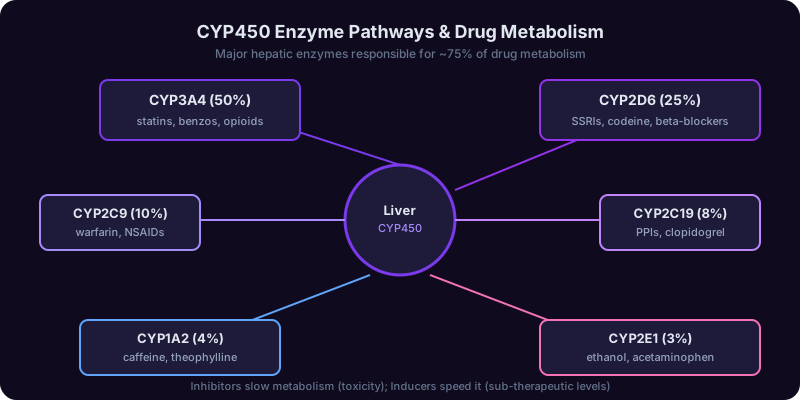
The cytochrome P450 (CYP450) family is a group of liver enzymes that metabolize roughly 75% of all prescription drugs. The most clinically important members are CYP3A4 (responsible for metabolizing more than 50% of medications), CYP2D6, CYP2C9, CYP2C19, and CYP1A2. Each drug is either a substrate (gets broken down by the enzyme), an inhibitor (blocks the enzyme, causing other drugs to accumulate), or an inducer (speeds the enzyme up, causing other drugs to clear too fast).
Here is a concrete example. Simvastatin (Zocor), a common cholesterol drug, is a CYP3A4 substrate. Clarithromycin, an antibiotic, is a potent CYP3A4 inhibitor. Take them together and simvastatin levels can rise 10-fold, dramatically increasing the risk of rhabdomyolysis (muscle breakdown that can destroy your kidneys). This is not a theoretical concern. A 2014 Canadian study published in BMJ found a doubled risk of hospitalization for muscle injury when these two drugs were combined.
The CYP450 system is also genetically variable. About 7-10% of people of European descent are CYP2D6 "poor metabolizers," meaning standard doses of drugs like codeine, tramadol, metoprolol, and many antidepressants can become toxic. Another 1-2% are "ultrarapid metabolizers," who can convert codeine to morphine so quickly that breastfeeding infants have died from morphine in breast milk. This is why personalized pharmacogenomic testing is becoming standard for high-risk medications. Learn more at the NIH MedlinePlus Drug Information portal.
P-glycoprotein (P-gp) is the second major player, a transporter protein in your gut and blood-brain barrier that pumps drugs back out of cells. Drugs that inhibit P-gp (like amiodarone, verapamil, or grapefruit juice) can dramatically increase absorption of drugs like digoxin, dabigatran, and certain chemotherapies. The U.S. FDA maintains a regularly updated list of CYP and P-gp interactions at FDA.gov drug interactions table, which is the most authoritative reference clinicians use.
The 4 Types of Drug Interactions: Drug-Drug, Drug-Food, Drug-Disease, Drug-Supplement
Most patients think of drug interactions as "two pills that don't mix." In reality, clinicians classify interactions into four distinct categories, each with different mechanisms and risk profiles. Understanding which type you might be facing changes how you check, how you mitigate, and how urgently you act.
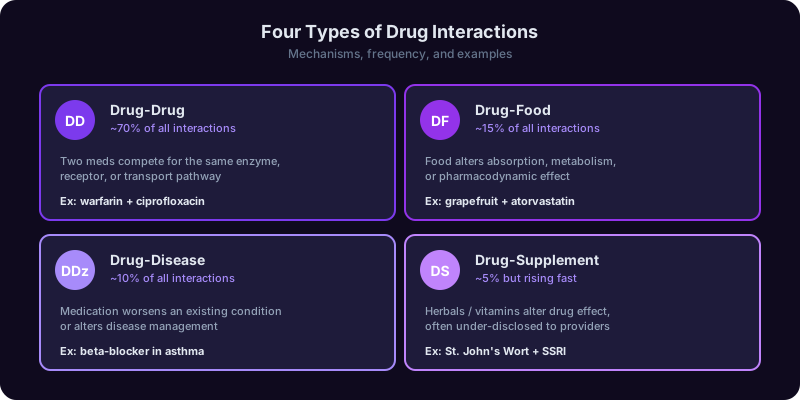
1. Drug-Drug Interactions (DDIs) are the most studied and most common. These are further subdivided into pharmacokinetic interactions (one drug changes how another is absorbed, metabolized, distributed, or excreted) and pharmacodynamic interactions (two drugs have additive, synergistic, or antagonistic effects on the same target). A classic pharmacokinetic example is fluconazole inhibiting warfarin metabolism. A classic pharmacodynamic example is combining two QT-prolonging drugs (like ondansetron + citalopram), where the cardiac risk is more than additive.
2. Drug-Food Interactions are massively underestimated. The FDA estimates that food-drug interactions cause up to 25% of preventable adverse drug events in older adults. Grapefruit alone affects more than 85 medications. Aged cheeses can trigger hypertensive crisis with MAOI antidepressants. Even seemingly innocent foods like leafy greens (vitamin K) can render warfarin ineffective if intake suddenly changes. We cover specifics in section 4.
3. Drug-Disease Interactions happen when a medication that is safe for the general population is dangerous because of an underlying condition. NSAIDs (ibuprofen, naproxen) are fine for most people but can trigger kidney failure in patients with chronic kidney disease, worsen heart failure, or cause GI bleeding in patients on anticoagulants. Decongestants like pseudoephedrine can spike blood pressure dangerously in hypertensive patients. Metformin can cause lactic acidosis in patients with severe kidney disease. The point is: the drug itself isn't dangerous, but the combination with your physiology is.
4. Drug-Supplement Interactions are the fastest-growing category and the most invisible to your medical team. The CDC reports that 76% of Americans over 60 take at least one supplement, but only 33% disclose them to their doctors. St. John's Wort, the most notorious offender, induces CYP3A4 so powerfully that it can render birth control pills, HIV medications, transplant anti-rejection drugs, and certain chemotherapies completely ineffective. We dedicate section 5 to this.
One additional category worth mentioning is drug-alcohol interactions, which technically fall under drug-food but deserve their own attention. Alcohol interacts with at least 150 commonly prescribed medications. The effects range from mild (drowsiness with antihistamines) to fatal (respiratory depression with opioids and benzodiazepines, where alcohol potentiates CNS suppression). The Drugs.com Interaction Checker is a useful free resource for cross-referencing all four categories at once, though it lacks the personalization of clinical-grade tools.
Top 20 Most Dangerous Drug Combinations That Send People to the ER
Not all drug interactions are equal. Some cause mild stomach upset; others kill people within hours. Based on hospital admission data, FDA adverse event reports, and clinical pharmacology literature, here are the 20 combinations that account for a disproportionate share of serious drug-related hospitalizations. If you find yourself prescribed any of these together, do not panic, but do contact your pharmacist for a personalized risk-benefit discussion.
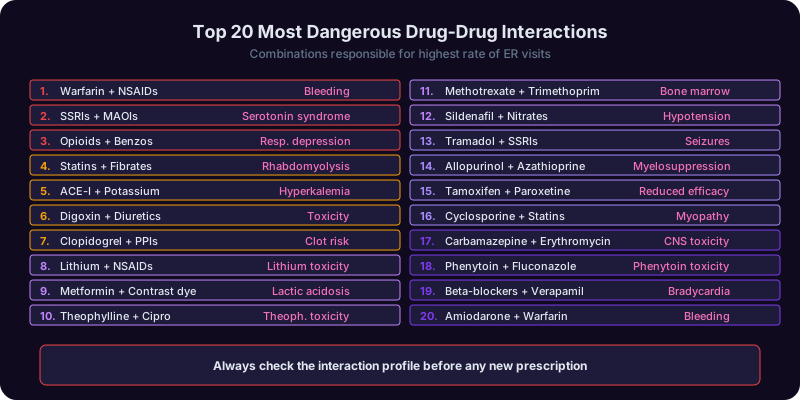
1. Warfarin + NSAIDs (ibuprofen, naproxen, aspirin) — dramatically increases bleeding risk, especially GI bleeds. 2. Warfarin + antibiotics (especially Bactrim, ciprofloxacin, metronidazole, fluconazole) — INR can spike to dangerous levels within 3-5 days. 3. SSRIs/SNRIs + MAOIs or tramadol — serotonin syndrome, which can be fatal. 4. Statins + macrolide antibiotics (clarithromycin, erythromycin) — rhabdomyolysis risk. 5. ACE inhibitors + potassium supplements or potassium-sparing diuretics — hyperkalemia, cardiac arrest risk.
6. Opioids + benzodiazepines — the FDA black-box warning combination, responsible for the majority of polypharmacy overdose deaths. 7. Opioids + alcohol — respiratory depression. 8. Benzodiazepines + alcohol — same. 9. Lithium + NSAIDs or ACE inhibitors — lithium toxicity, which can cause seizures and kidney damage. 10. Methotrexate + Bactrim or NSAIDs — bone marrow suppression. 11. Digoxin + amiodarone, verapamil, or clarithromycin — digoxin toxicity, fatal arrhythmias.
12. Sildenafil (Viagra) + nitrates — catastrophic hypotension. 13. Triptans (sumatriptan) + SSRIs — serotonin syndrome. 14. Beta-blockers + calcium channel blockers (verapamil, diltiazem) — bradycardia, heart block. 15. Clopidogrel (Plavix) + omeprazole — reduces antiplatelet effect, increasing stroke/MI risk. 16. Levothyroxine + calcium, iron, or PPIs (taken together) — thyroid hormone absorption blocked.
17. Metformin + IV contrast dye — lactic acidosis in patients with reduced kidney function. 18. Allopurinol + azathioprine or 6-mercaptopurine — severe bone marrow toxicity. 19. Theophylline + ciprofloxacin or fluvoxamine — theophylline toxicity, seizures. 20. Multiple anticholinergics (e.g., diphenhydramine + oxybutynin + amitriptyline) — anticholinergic burden, confusion, falls, dementia risk in elderly.
This list is not exhaustive. The point is that interactions cluster around a few high-risk drug classes: anticoagulants, antibiotics, antidepressants, antiarrhythmics, opioids, and immunosuppressants. If you take any of these, every new prescription — including over-the-counter products — deserves a fresh interaction check. The FDA's consumer interaction guide is a good starting point, but it does not replace personalized clinical review.

Get Answers From the Health Copilot
Copilotly's Health Copilot reviews your full medication, supplement, and food list against FDA-grade interaction data — tailored to your age, conditions, and personal risk factors. Spot the dangerous combinations your 47-second pharmacy chat can't.
Food Interactions: Grapefruit, Alcohol, Leafy Greens, Dairy, and the Foods That Sabotage Your Meds
Food-drug interactions are among the most preventable and the most ignored. Unlike drug-drug interactions, which typically show up in pharmacy computer systems, food interactions depend entirely on you knowing the rules. Here are the most clinically important ones.
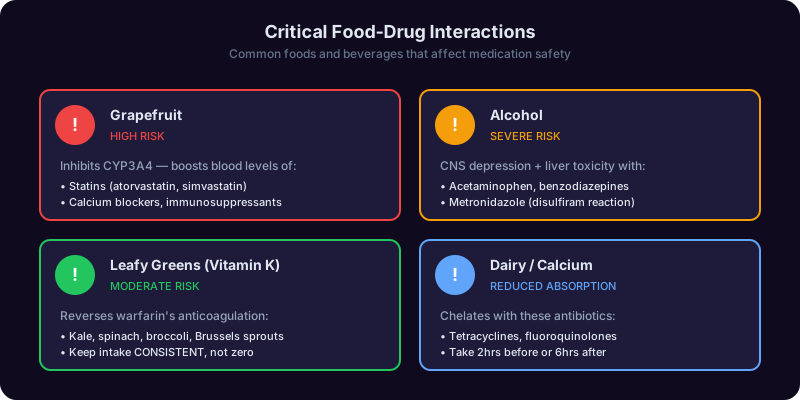
Grapefruit and grapefruit juice are the most famous food-drug interaction, and for good reason. Grapefruit contains furanocoumarins that irreversibly inhibit intestinal CYP3A4. The effect lasts up to 72 hours from a single 8-ounce glass. Drugs significantly affected include: simvastatin and atorvastatin (muscle damage risk), amlodipine and felodipine (severe hypotension), buspirone (excessive sedation), cyclosporine and tacrolimus (toxicity), amiodarone, dronedarone, quetiapine, sildenafil, tadalafil, certain chemotherapies (nilotinib, dasatinib), and many more. Seville oranges and pomelos have similar effects. If you take any CYP3A4 substrate, the safest rule is no grapefruit, period.
Leafy greens and warfarin create a famously tricky balance. Warfarin works by blocking vitamin K-dependent clotting factors. If you suddenly start eating kale salads every day, your warfarin will stop working and you risk clots. If you suddenly stop, your INR will spike and you risk bleeding. The rule is not "avoid greens" — it is "keep intake consistent." Aim for the same approximate amount of vitamin K-rich foods each week so your warfarin dose can be calibrated against a stable baseline.
Dairy and antibiotics is the classic chelation interaction. Calcium in milk, yogurt, cheese, and fortified plant milks binds to tetracyclines (doxycycline, minocycline) and fluoroquinolones (ciprofloxacin, levofloxacin), reducing absorption by 50-90%. Take these antibiotics at least 2 hours before or 6 hours after dairy, calcium supplements, antacids, or iron. The same rule applies to levothyroxine for thyroid replacement — coffee, calcium, and iron all interfere.
Tyramine-containing foods + MAOI antidepressants (phenelzine, tranylcypromine, selegiline at higher doses) can trigger hypertensive crisis. Aged cheeses, cured meats, fermented soy products, draft beer, and certain wines contain tyramine, which MAOIs prevent from being broken down, leading to dangerous blood pressure spikes. Modern MAOIs and the patch form (Emsam at low dose) are safer but still require dietary education.
Alcohol interacts with hundreds of medications. The most dangerous combinations are with opioids, benzodiazepines, sleep aids (zolpidem), muscle relaxants, and any sedating antihistamine — the additive CNS depression can stop breathing. Alcohol also worsens GI bleeding risk with NSAIDs, liver toxicity with acetaminophen (over 3 grams/day or chronic use), and metronidazole causes a disulfiram reaction (severe flushing, nausea, vomiting). The safe answer for many medications is simply: no alcohol while on this drug.
Other notable interactions: high-fiber meals can reduce digoxin and levothyroxine absorption; caffeine intensifies effects of stimulants and can prolong half-life of clozapine; licorice (real, not artificial) can cause low potassium and hypertension and interact with diuretics, digoxin, and corticosteroids; vitamin C megadoses can reduce certain chemotherapy effectiveness.
Supplement Interactions: St. John's Wort, Fish Oil, Vitamin K, and Why "Natural" Doesn't Mean Safe
The supplement aisle is the wild west of pharmacology. Products labeled "natural," "herbal," or "wellness" are not screened for drug interactions, are not standardized in dose, and are often taken without telling any healthcare provider. Yet many supplements are biochemically active compounds that hit the exact same receptors and enzymes as prescription medications.
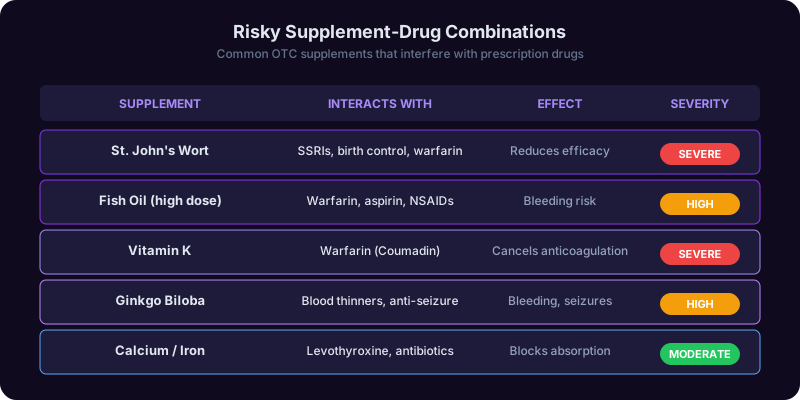
St. John's Wort (Hypericum perforatum) is the most dangerous common supplement on the market. It is a potent inducer of CYP3A4, CYP2C9, CYP1A2, and P-glycoprotein. This means it accelerates the clearance of dozens of medications, often to subtherapeutic levels. Documented failures include: oral contraceptives (unplanned pregnancies), HIV antiretrovirals (viral resistance), cyclosporine (organ transplant rejection), warfarin (clots returning), digoxin, certain chemotherapies (irinotecan, imatinib), and anticonvulsants (breakthrough seizures). It also has serotonergic activity, so combining with SSRIs or triptans risks serotonin syndrome. If you take any prescription medication, the safe answer is: do not take St. John's Wort.
Fish oil (omega-3 fatty acids) has antiplatelet activity. At doses above 3 grams/day, it can meaningfully increase bleeding risk in patients on warfarin, aspirin, clopidogrel, or DOACs (apixaban, rivaroxaban). Most patients tolerate 1-2 grams/day without issue, but always disclose use before surgery.
Vitamin K supplements directly counteract warfarin. Even multivitamins with vitamin K can shift INR. Patients on warfarin should choose vitamin K-free multivitamins or get specific guidance on dose adjustment.
Ginkgo biloba has antiplatelet effects and has been linked to spontaneous bleeding when combined with aspirin, warfarin, or NSAIDs. Garlic supplements (concentrated, not culinary) have similar effects. Ginger and turmeric in supplement doses also mildly increase bleeding risk.
Ginseng can reduce warfarin effectiveness and can cause hypoglycemia in diabetic patients on insulin or sulfonylureas. Kava is hepatotoxic and interacts with sedatives and alcohol. Yohimbe can spike blood pressure and interact with MAOIs and stimulants. Ephedra (banned in the US but found in some imports) is cardiotoxic.
Calcium, magnesium, iron, and zinc can all chelate with antibiotics (tetracyclines, fluoroquinolones), levothyroxine, and bisphosphonates. Separate dosing by 2-4 hours minimum.
Melatonin, while generally safe, can interact with anticoagulants, immunosuppressants, and blood pressure medications, and can intensify sedation with benzodiazepines. For more on melatonin specifically, see our melatonin vs magnesium for insomnia guide. CBD inhibits CYP3A4 and CYP2C19 and can raise levels of warfarin, certain antiseizure drugs, and tacrolimus. The American Botanical Council and NIH's Herbs at a Glance database are the best free references for evidence-based supplement safety.
How to Check for Interactions Before Adding ANY New Medication or Supplement
The single most important habit you can build is the "new medication checklist." Before you swallow the first dose of anything new — prescription, OTC, or supplement — run through this 7-step process. It takes 10 minutes and can save your life.
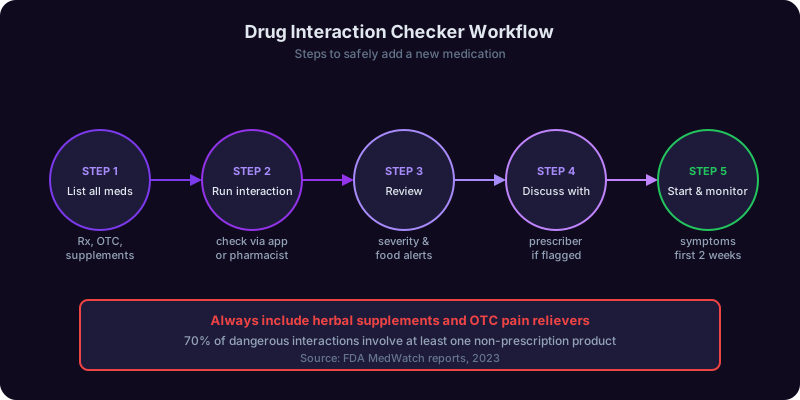
Step 1: Maintain an up-to-date medication list. Include every prescription, every OTC drug you take more than occasionally, every supplement, every vitamin, and even foods you eat in large quantities (grapefruit, kale, alcohol patterns). Note doses and timing. Apple Health, Google Fit, or a simple Notes app works. Without an accurate list, no interaction check is meaningful.
Step 2: Run the list through a reputable interaction checker. Free options include Drugs.com, Medscape, and the FDA's resources. Enter every item, including supplements. Pay attention to severity ratings — "major" or "contraindicated" warnings demand a pharmacist conversation before you proceed.
Step 3: Read the new drug's medication guide. Every FDA-approved drug has an official label and patient medication guide. Look for sections titled "Drug Interactions," "Contraindications," and "Warnings." These are written for clinicians but the patient guide summarizes the most important interactions in plain language.
Step 4: Call your pharmacist for a Medication Therapy Management (MTM) consult. Under Medicare Part D and most commercial plans, you are entitled to a free annual comprehensive medication review. Many people don't know this exists. The pharmacist will review your entire regimen for interactions, redundancies, and dosing issues. Ask for this explicitly — do not just ask at the counter.
Step 5: For complex regimens, request a clinical pharmacist consult. If you take 5 or more medications (polypharmacy), have chronic kidney or liver disease, or recently started a high-risk drug (warfarin, lithium, methotrexate, immunosuppressants), ask your primary care provider for a referral to a clinical pharmacist. They will do what a 47-second counter chat cannot.
Step 6: Use AI-personalized checking. Free interaction databases give you a generic answer. AI-powered tools can consider your age, kidney function (eGFR), liver function, genetic variants if known, condition list, and timing patterns. We explain this in the next section.
Step 7: Set a follow-up window. Most serious interactions show up within 3-14 days of starting a new drug. Schedule a self-check at day 3, day 7, and day 14. Track new symptoms: bruising/bleeding, dizziness, racing heart, confusion, muscle pain, dark urine, yellow skin/eyes, severe fatigue. These are early warning signs of an interaction. Document and report immediately. Related reading: our guides on lowering blood pressure naturally and lowering cholesterol naturally cover medication considerations for two of the most commonly prescribed drug classes.
When to Call Poison Control vs. 911: Recognizing a Drug Interaction Emergency
Knowing when to act and how urgently is critical. Drug interaction symptoms can range from mild (a little nausea) to immediately life-threatening (respiratory arrest). Here is how clinicians triage these situations — and how you should too.
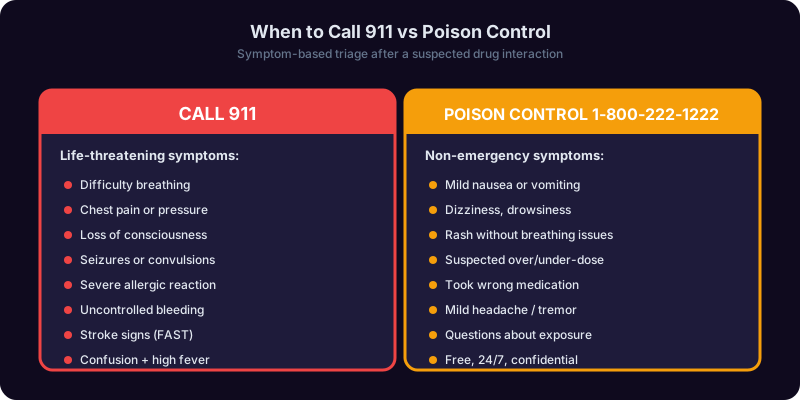
Call 911 immediately if you observe: Difficulty breathing, slow or irregular breathing (under 10 breaths/minute), unresponsiveness or extreme drowsiness that you cannot rouse the person from, blue lips or fingertips, seizures, chest pain or pressure, signs of stroke (facial droop, arm weakness, slurred speech), severe allergic reaction (swelling of face/throat, hives + breathing trouble), or signs of serotonin syndrome (high fever, severe agitation, muscle twitching/rigidity, confusion, rapid heart rate). These cannot wait. Begin CPR if breathing has stopped. If opioid involvement is suspected, administer naloxone (Narcan) if available — it is now over-the-counter in most US states.
Call Poison Control at 1-800-222-1222 if: You suspect an interaction or overdose but the person is conscious, breathing normally, and stable. Symptoms might include nausea/vomiting, mild confusion, headache, increased heart rate, mild tremor, dizziness, unusual bruising, or any concerning symptom that started after a recent medication change. Poison Control is free, confidential, available 24/7, staffed by clinical toxicologists, and accepts calls from patients, caregivers, and clinicians. They will tell you whether to monitor at home or go to the ER, and they will follow up. Do not skip this resource — they prevent unnecessary ER visits and catch true emergencies.
Call your pharmacist or provider (within hours, not days) if: You notice mild new symptoms after starting a medication — persistent nausea, new headaches, mild bruising, sleep changes, mood changes, mild muscle aches, or simply a feeling that something is off. Bring your full medication list. Many interactions are reversible if caught in the first week.
Special situations requiring immediate ER: Suspected serotonin syndrome (SSRI/SNRI + tramadol, triptan, MAOI, linezolid, or St. John's Wort), suspected anticholinergic toxicity in elderly (severe confusion, urinary retention, hallucinations after starting a sleep aid or bladder medication), warfarin patient with severe bruising or any sign of internal bleeding (black stools, vomiting blood, severe headache), lithium patient with persistent vomiting or tremor, methotrexate patient with fever or sores.
Bring this to every ER visit: Complete medication list with doses, the bottles themselves if possible, any supplements, recent food/alcohol history if relevant, time of last dose of each medication, and any over-the-counter products taken in the last 72 hours. ER physicians cannot manage an interaction they don't know about. The American Association of Poison Control Centers also offers a free online triage tool at webpoisoncontrol.org for non-emergency cases.
How AI Personalizes Drug Interaction Checking Beyond Generic Databases
Medical disclaimer: AI-assisted interaction checking is a screening and education tool, not a substitute for your pharmacist or physician. Always confirm any concerning finding with a licensed clinician before changing your regimen. Call Poison Control (1-800-222-1222) or 911 for emergencies.
Generic interaction databases have a fundamental limitation: they treat every patient as identical. They will tell you that warfarin and ibuprofen interact, but they will not weigh that risk against your specific age, your last INR, your kidney function, whether you also take an SSRI (which compounds bleeding risk), or whether you've been hospitalized for a GI bleed before. AI-powered checking layered on top of clinical databases changes this calculus.
What AI adds to interaction checking:
- Context-aware severity ranking. A "major" interaction on Drugs.com might be a 1-in-1000 risk for a healthy 30-year-old and a 1-in-15 risk for an 82-year-old on five other medications. AI weighs your full context.
- Cumulative burden analysis. Anticholinergic burden, serotonergic burden, QT-prolongation burden, bleeding risk, and sedation burden are not single-drug problems — they are sums. AI tools can score your entire regimen against validated scales (ARS, Drug Burden Index) that pharmacists use clinically.
- Plain-language explanations. Instead of "moderate CYP3A4 inhibition," AI translates to: "Your new antibiotic slows the breakdown of your cholesterol pill, which could cause muscle damage. Watch for unexplained muscle pain, dark urine, or weakness."
- Personalized timing suggestions. If two of your drugs chelate, AI can build you a daily schedule that separates them by the right intervals around your meals and sleep.
- Question prep for your pharmacist. AI can generate a specific list of questions to ask, raising the quality of that 47-second conversation.
- Symptom triage in plain English. When you describe a new symptom, AI can map it against your current regimen to flag plausible interaction etiology — then route you appropriately (self-monitor, call pharmacist, call Poison Control, or call 911).
What AI cannot do: Diagnose. Adjust doses. Replace genetic testing. Override your prescriber. Examine you physically. Detect a bleed you haven't noticed yet. These remain human clinician territory.
How to use an AI health copilot safely: Always disclose your full medication and supplement list. Treat the output as a discussion document, not a directive. Take screenshots of flagged interactions to your pharmacist. Re-run the check every time anything changes — new prescription, new supplement, new diet, dosage change. Never stop a medication based solely on an AI suggestion — some drugs (beta-blockers, SSRIs, benzodiazepines, corticosteroids) require structured tapering.
The combination of FDA-grade interaction data, your personal context, and conversational AI delivers what no 47-second pharmacy chat can: a regimen review that respects how complex your real medication life is. That is the promise of personalized digital pharmacology in 2026 — not replacing the pharmacist, but finally arming you to have the conversation your pharmacist wishes they had time for.
Frequently Asked Questions
Recommended Copilots
Related Articles
Get Answers From the Health Copilot
Copilotly's Health Copilot reviews your full medication, supplement, and food list against FDA-grade interaction data — tailored to your age, conditions, and personal risk factors. Spot the dangerous combinations your 47-second pharmacy chat can't.