
Health & Wellness
The Portfolio Diet: How to Lower LDL Cholesterol 20-30% Without Statins
Most people can lower LDL cholesterol 20-30% with diet alone. This guide covers the Portfolio Diet, plant sterols, and which supplements actually work, plus a week-by-week action plan and clear signs you may still need a statin.
Understanding Your Cholesterol Numbers: LDL, HDL, Triglycerides, and the Ratios That Matter
Cholesterol is a waxy, fat-like substance that your body needs to build cells, produce hormones, and manufacture vitamin D. Your liver produces all the cholesterol your body requires. The problem arises when excess cholesterol from dietary and genetic factors accumulates in your bloodstream, embedding itself in artery walls and forming plaques that narrow blood vessels and trigger heart attacks and strokes.
A standard lipid panel measures four key values. Understanding what each number means, and how they interact, is the foundation for managing your cardiovascular risk. Here is how the current 2025 ACC/AHA guidelines categorize cholesterol levels:
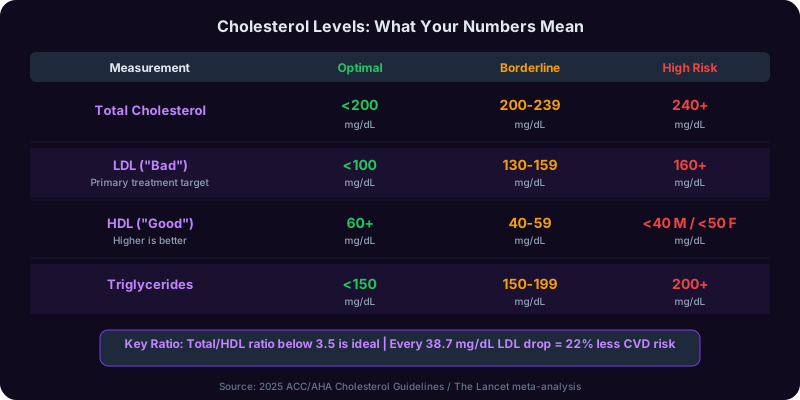
| Measurement | Optimal | Borderline High | High Risk |
| Total Cholesterol | Less than 200 mg/dL | 200 - 239 mg/dL | 240 mg/dL or higher |
| LDL ("Bad") Cholesterol | Less than 100 mg/dL | 130 - 159 mg/dL | 160 mg/dL or higher |
| HDL ("Good") Cholesterol | 60 mg/dL or higher | 40 - 59 mg/dL | Less than 40 mg/dL (men) / 50 mg/dL (women) |
| Triglycerides | Less than 150 mg/dL | 150 - 199 mg/dL | 200 mg/dL or higher |
LDL cholesterol is the primary target for treatment because it is the form most directly linked to atherosclerosis. LDL particles penetrate the arterial wall, become oxidized, and trigger an inflammatory cascade that forms plaque. A 2019 meta-analysis in The Lancet covering over 170,000 participants across 26 trials found that for every 38.7 mg/dL (1 mmol/L) reduction in LDL, the risk of major cardiovascular events dropped by 22%. The lower your LDL, the lower your risk, with no threshold below which further reduction stops being beneficial.
HDL cholesterol acts as a scavenger, picking up excess cholesterol from your bloodstream and carrying it back to your liver for disposal. Higher HDL levels are associated with lower cardiovascular risk, but the relationship is more nuanced than "higher is always better." A 2023 study in the Journal of the American College of Cardiology found that HDL levels above 80 mg/dL did not confer additional protection and may paradoxically be associated with increased risk in some populations. The target is to keep HDL above 40 mg/dL for men and 50 mg/dL for women.
Triglycerides are a type of fat that circulates in your blood after meals. Persistently elevated triglycerides (above 150 mg/dL) independently increase cardiovascular risk and are strongly linked to insulin resistance, metabolic syndrome, and type 2 diabetes. Very high triglycerides (above 500 mg/dL) also carry a risk of acute pancreatitis, a medical emergency.
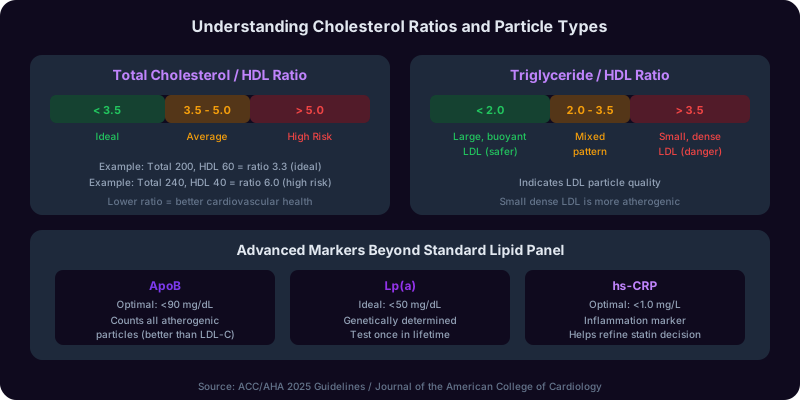
Beyond individual numbers, the Total Cholesterol to HDL ratio and the Triglyceride to HDL ratio provide additional prognostic value. A Total/HDL ratio below 3.5 is considered ideal. A Triglyceride/HDL ratio below 2.0 suggests a favorable pattern of large, buoyant LDL particles, while a ratio above 3.5 indicates smaller, denser LDL particles that are more atherogenic, even when total LDL is not dramatically elevated.
Newer tests such as ApoB (apolipoprotein B) and Lp(a) (lipoprotein little-a) are gaining importance. ApoB measures the total number of atherogenic particles in your blood and may be a better predictor of cardiovascular risk than LDL cholesterol alone. An ApoB level below 90 mg/dL is considered optimal, and below 80 mg/dL for high-risk patients. Lp(a) is largely genetically determined, cannot be lowered significantly by lifestyle changes, and levels above 50 mg/dL (or 125 nmol/L) roughly double cardiovascular risk. The ACC now recommends measuring Lp(a) at least once in every adult's lifetime.
If you need help interpreting your lipid panel results, the Lab Results Copilot can break down each number, explain your ratios, and put your results in context. For a deeper understanding of how cholesterol fits into your overall blood work, see our guide on how to read your blood test results. You can also learn more about what your A1C levels mean and how metabolic health indicators connect.
This guide provides general health information based on published research. It is not a substitute for professional medical advice. Always consult your physician or a qualified healthcare provider before making changes to your diet, supplement regimen, or medications.
Diet Changes That Lower LDL: The Portfolio Diet, Mediterranean Diet, and Plant Sterols
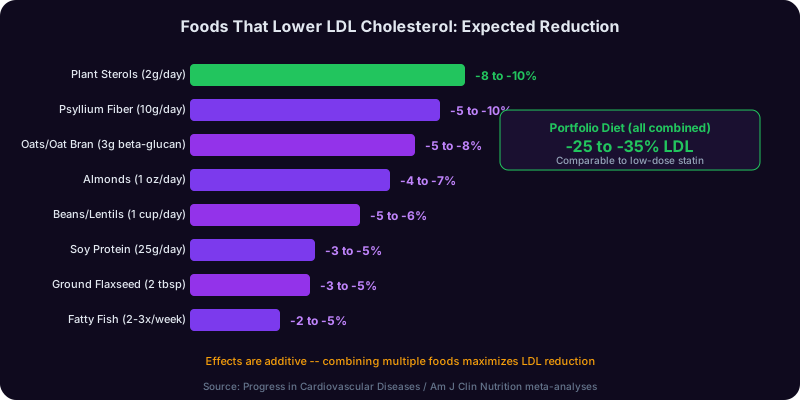
Diet is the single most powerful non-pharmaceutical tool for lowering LDL cholesterol. While individual dietary changes produce modest reductions on their own, combining multiple evidence-based strategies can lower LDL by 25-35%, approaching the effect of a low-dose statin. The two dietary patterns with the strongest clinical evidence are the Portfolio Diet and the Mediterranean Diet.
The Portfolio Diet
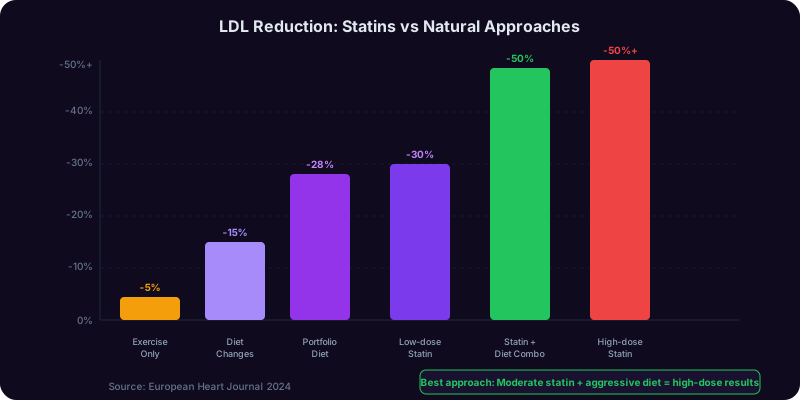
Developed by Dr. David Jenkins at the University of Toronto and endorsed by the NIH, the Portfolio Diet specifically targets LDL cholesterol by combining four cholesterol-lowering food categories into a single dietary pattern. A 2018 meta-analysis in Progress in Cardiovascular Diseases found that full adherence to the Portfolio Diet lowered LDL cholesterol by an average of 28.6%, which is comparable to a starting dose of a statin medication.
The four pillars of the Portfolio Diet are:
- Soluble fiber (18+ g/day): Oats, barley, psyllium, eggplant, okra, apples, citrus fruits, and beans. Soluble fiber binds bile acids in the gut, forcing the liver to pull cholesterol from the bloodstream to make more. A daily bowl of oatmeal (3g beta-glucan) plus a tablespoon of psyllium husk (5g soluble fiber) provides a strong foundation. Expected LDL reduction: 5-10%.
- Plant sterols and stanols (2 g/day): These naturally occurring plant compounds block cholesterol absorption in the intestine. They are found in small amounts in nuts, seeds, and vegetable oils, but therapeutic doses require fortified foods (sterol-enriched margarine, orange juice, or yogurt drinks) or supplements. The European Atherosclerosis Society endorses 2 g/day of plant sterols for an average LDL reduction of 8-10%.
- Soy protein (25 g/day): Replacing animal protein with soy protein (tofu, tempeh, edamame, soy milk) lowers LDL by approximately 3-5%. A 2019 meta-analysis in The Journal of Nutrition confirmed this effect across 46 trials. The mechanism involves upregulation of LDL receptors on liver cells.
- Almonds and tree nuts (1 oz/day, approximately 23 almonds): A 2015 meta-analysis in the American Journal of Clinical Nutrition found that consuming 1 ounce of tree nuts daily lowered LDL by approximately 4-7%. Almonds, walnuts, and pistachios showed the strongest effects. The combination of unsaturated fats, fiber, and plant sterols in nuts creates a synergistic cholesterol-lowering effect.
The Mediterranean Diet
The Mediterranean Diet emphasizes olive oil, fish, vegetables, fruits, whole grains, legumes, and nuts while limiting red meat, processed foods, and refined sugars. The landmark PREDIMED trial, published in the New England Journal of Medicine and involving over 7,400 participants, demonstrated a 30% reduction in major cardiovascular events (heart attack, stroke, cardiovascular death) compared to a low-fat diet. While the Mediterranean Diet reduces LDL by a more modest 5-10%, its cardiovascular benefit extends beyond cholesterol through anti-inflammatory, antioxidant, and endothelial function pathways.
The critical component is extra virgin olive oil (EVOO), consumed at 4+ tablespoons per day in the PREDIMED protocol. EVOO contains polyphenols that reduce LDL oxidation, the process that makes LDL particles truly dangerous. Replacing butter and other saturated fats with EVOO is one of the simplest and most impactful dietary changes you can make.
Specific Foods with Strong Evidence
| Food | Daily Amount | Expected LDL Reduction | Mechanism |
| Oats / oat bran | 1.5 cups cooked (3g beta-glucan) | 5-8% | Soluble fiber binds bile acids |
| Almonds | 1 oz (23 almonds) | 4-7% | Unsaturated fats, plant sterols, fiber |
| Psyllium husk | 10-12 g (2 tablespoons) | 5-10% | Soluble fiber binds bile acids |
| Plant sterol-fortified foods | 2 g plant sterols | 8-10% | Blocks cholesterol absorption |
| Beans and lentils | 1 cup cooked | 5-6% | Soluble fiber, replaces animal protein |
| Fatty fish (salmon, mackerel) | 2-3 servings per week | 2-5% (primarily lowers triglycerides) | Omega-3 fatty acids reduce VLDL production |
| Flaxseed (ground) | 2 tablespoons | 3-5% | Soluble fiber, ALA omega-3s, lignans |
A sample day combining Portfolio and Mediterranean principles might include: Breakfast - oatmeal with ground flaxseed, walnuts, and berries; Lunch - lentil soup with whole grain bread and olive oil; Snack - an apple with almond butter; Dinner - grilled salmon with roasted vegetables drizzled in EVOO, quinoa, and a side salad with sterol-enriched dressing.
For detailed guidance on nutrition and heart-healthy eating, the American Heart Association's diet and lifestyle recommendations provide an excellent evidence-based framework.
The Nutrition Copilot can help you build personalized meal plans that incorporate these cholesterol-lowering foods while matching your taste preferences and calorie needs. Tracking your daily intake of soluble fiber, plant sterols, and soy protein is key to achieving the full LDL reduction these diets can deliver.
Exercise and Cholesterol: How Physical Activity Changes Your Lipid Profile
Exercise does not lower LDL cholesterol as dramatically as diet, but it produces important changes across your entire lipid profile, particularly by raising HDL and lowering triglycerides. More critically, exercise changes the quality of your LDL particles, converting small, dense, highly atherogenic particles into larger, more buoyant particles that are less likely to penetrate artery walls.
What the Research Shows
A comprehensive 2021 meta-analysis in Sports Medicine covering 84 randomized controlled trials found the following average effects of regular exercise on lipid parameters:
| Lipid Marker | Average Change with Exercise | Timeline to See Effect |
| LDL Cholesterol | Decrease of 3-6 mg/dL (3-5%) | 8-12 weeks |
| HDL Cholesterol | Increase of 2-5 mg/dL (5-10%) | 8-12 weeks |
| Triglycerides | Decrease of 10-30 mg/dL (10-20%) | 2-4 weeks |
| Total Cholesterol | Decrease of 5-10 mg/dL | 8-12 weeks |
While a 3-5% LDL reduction may seem modest compared to dietary interventions, exercise produces disproportionately large benefits that do not show up on a standard lipid panel. A 2020 study in the Journal of Clinical Lipidology used nuclear magnetic resonance (NMR) spectroscopy to examine LDL particle size and found that 12 weeks of moderate aerobic exercise reduced the concentration of small, dense LDL particles by 18%, even when total LDL barely changed. This particle size shift significantly reduces atherosclerotic risk.
Aerobic Exercise
The strongest evidence exists for moderate-intensity continuous training. The AHA and ACC recommend at least 150 minutes per week of moderate-intensity aerobic exercise (brisk walking, cycling, swimming) or 75 minutes of vigorous exercise (running, rowing, high-intensity cycling). A 2022 dose-response meta-analysis in Atherosclerosis found that the HDL-raising effect was dose-dependent: exercising 120 minutes per week raised HDL by 2.5 mg/dL, while 200+ minutes raised HDL by 4.5 mg/dL. The triglyceride-lowering effect was even more responsive to volume, with the largest reductions occurring in those exercising 200-300 minutes weekly.
A single session of aerobic exercise temporarily reduces triglycerides by 15-25% for 24-48 hours through increased lipoprotein lipase activity. This is why fasted triglyceride levels can vary dramatically depending on whether you exercised the day before your blood draw. Consistent exercise keeps this enzyme active, producing sustained triglyceride reductions over time.
Resistance Training
A 2022 meta-analysis in Sports Medicine found that resistance training alone lowered LDL by an average of 6 mg/dL and triglycerides by 10 mg/dL, with modest HDL increases of 1-2 mg/dL. The lipid benefits were similar whether participants used heavy loads with fewer repetitions or moderate loads with higher repetitions. The key variable was consistency: training at least 3 days per week for 8+ weeks was necessary to see measurable improvements.
Combination Training
Combining aerobic and resistance exercise produces the most favorable lipid changes. A 2023 trial in JAMA Cardiology compared aerobic-only, resistance-only, and combined training in 300 adults with metabolic syndrome. The combined group achieved the greatest improvements: LDL decreased by 8 mg/dL, HDL increased by 4 mg/dL, and triglycerides dropped by 25 mg/dL. The researchers concluded that the combination addresses both cholesterol metabolism (through aerobic conditioning) and insulin sensitivity (through resistance training), which synergistically improves the overall lipid profile.
How Quickly Exercise Affects Cholesterol
Triglycerides respond fastest, often dropping measurably within 1-2 weeks of starting a consistent program. HDL changes take longer, typically requiring 8-12 weeks of regular exercise. LDL changes are the slowest and most variable, with some individuals seeing reductions within 8 weeks and others requiring 6 months. Weight loss that accompanies exercise accelerates all lipid improvements.
Managing cholesterol often goes hand in hand with managing blood pressure. If your blood pressure is also elevated, see our companion guide on how to lower blood pressure naturally, as many of the same exercise strategies benefit both conditions.
The Fitness Copilot can design a lipid-optimizing exercise plan that balances aerobic and resistance training based on your current fitness level and available time. Even if you cannot commit to 150 minutes per week immediately, starting with three 20-minute brisk walks produces measurable triglyceride reductions and begins shifting LDL particle size within the first month.
Supplements for Cholesterol: Fish Oil, Fiber, Red Yeast Rice, and What Actually Works
The Mayo Clinic provides evidence-based guidance on natural cholesterol reduction strategies. The supplement market is flooded with cholesterol-lowering claims, but only a handful of products have genuine clinical evidence behind them. Here is an honest, evidence-based assessment of the most commonly used cholesterol supplements, ranked by strength of evidence. For the latest clinical evidence on supplements and cardiovascular health, the National Heart, Lung, and Blood Institute (NHLBI) cholesterol resource page provides regularly updated, peer-reviewed information.
Strong Evidence
Psyllium husk fiber (10-12 g/day): Psyllium is the most studied and consistently effective cholesterol-lowering supplement. A 2018 meta-analysis in the American Journal of Clinical Nutrition covering 28 trials found that psyllium supplementation lowered LDL cholesterol by an average of 11 mg/dL (7%) at doses of 10-12 grams per day. The mechanism is well understood: soluble fiber binds bile acids in the gut, forcing the liver to use circulating cholesterol to synthesize new bile acids. Psyllium is inexpensive, widely available (Metamucil is the most recognizable brand), and has the added benefit of improving bowel regularity and blood sugar control. Start with 5 grams per day and increase gradually to avoid bloating.
Plant sterols and stanols (2 g/day): Plant sterols are structurally similar to cholesterol and compete with cholesterol for absorption in the intestine. The European Atherosclerosis Society and the National Lipid Association both endorse plant sterols as an adjunct to dietary therapy. A 2014 meta-analysis in Atherosclerosis covering 124 studies found that 2 grams of plant sterols per day lowered LDL by an average of 8.8% (approximately 12-15 mg/dL). They are available as supplements or in fortified foods such as Benecol spreads, CholestOff capsules, and sterol-enriched orange juice. Take them with meals for maximum absorption interference.
Omega-3 fatty acids / fish oil (2-4 g EPA+DHA/day): Fish oil primarily targets triglycerides rather than LDL. A 2019 meta-analysis in Mayo Clinic Proceedings found that omega-3 supplementation at therapeutic doses reduced triglycerides by 20-30%. The landmark REDUCE-IT trial demonstrated that high-dose purified EPA (4 g/day of icosapent ethyl, brand name Vascepa) reduced major cardiovascular events by 25% in patients with elevated triglycerides, leading to FDA approval for this indication. Standard fish oil capsules contain a mixture of EPA and DHA, and most over-the-counter products provide only 300-500 mg of combined EPA+DHA per capsule, far below therapeutic doses. To reach 3-4 grams, you would need 6-8 standard capsules daily, making concentrated formulations or prescription products more practical.
Important note on LDL: Fish oil can actually raise LDL by 5-10% in some individuals, particularly at higher doses. This is because DHA increases LDL particle size (favorable) but can increase total LDL concentration. If your primary concern is LDL rather than triglycerides, fish oil is not the right supplement.
Moderate Evidence (Use with Caution)
Red yeast rice: This fermented rice product naturally contains monacolin K, which is chemically identical to lovastatin, a prescription statin drug. Studies show it can lower LDL by 15-25%. However, red yeast rice is essentially an unregulated statin. It carries the same risks of muscle damage, liver toxicity, and drug interactions as prescription statins, but without standardized dosing. The monacolin K content varies enormously between brands, and some products have been found to contain citrinin, a kidney-damaging mycotoxin. The FDA has taken enforcement action against red yeast rice products containing therapeutic levels of monacolin K. If you need statin-level LDL reduction, a prescription statin with known purity and dosing is safer. The Medication Copilot can help you weigh the risks and understand potential interactions.
Berberine (500-1500 mg/day): This plant alkaloid found in goldenseal, Oregon grape, and barberry has shown cholesterol-lowering effects in multiple trials. A 2021 meta-analysis in Frontiers in Pharmacology found that berberine lowered LDL by approximately 20-25 mg/dL and triglycerides by 30-40 mg/dL. It works through a different mechanism than statins, upregulating LDL receptors via AMPK activation. However, most studies were conducted in Chinese populations, and berberine has significant drug interactions, including with statins, cyclosporine, and certain antibiotics. It can also cause gastrointestinal side effects at higher doses.
Weak or No Evidence
Garlic supplements: Despite decades of marketing, a rigorous 2013 Cochrane review concluded that garlic preparations produce, at best, a modest and clinically insignificant reduction in total cholesterol. Any effect is too small to justify routine use for cholesterol management.
Niacin (vitamin B3): While niacin effectively raises HDL by 15-35% and lowers LDL by 5-15%, the AIM-HIGH and HPS2-THRIVE trials demonstrated that adding niacin to statin therapy produced no additional cardiovascular benefit while increasing risks of diabetes, gastrointestinal problems, and serious skin flushing. The AHA no longer recommends niacin for cholesterol management.
Coenzyme Q10: CoQ10 does not lower cholesterol. It is sometimes recommended alongside statins to address statin-related muscle symptoms, but a 2022 Cochrane review found insufficient evidence that CoQ10 relieves statin myopathy.
Before starting any supplement, consult your healthcare provider, especially if you are on medications. The Health Copilot can help you evaluate the evidence behind specific supplements, and the Medication Copilot can check for interactions with your current prescriptions.
Foods to Avoid: What Raises LDL Cholesterol and Worsens Your Lipid Profile
Understanding which foods raise cholesterol is just as important as knowing which foods lower it. According to the Cleveland Clinic, diet modification is the most impactful first step. The three dietary factors with the strongest evidence for raising LDL cholesterol are saturated fat, trans fat, and excess refined carbohydrates. Here is a detailed breakdown of what to minimize, what to eliminate, and what the science actually says about dietary cholesterol itself.
Saturated Fat: The Primary Dietary Driver of LDL
Saturated fat raises LDL cholesterol more than any other dietary component, including dietary cholesterol itself. For every 1% of calories replaced from saturated fat with unsaturated fat, LDL drops by approximately 1.2-1.6 mg/dL. The AHA recommends limiting saturated fat to less than 5-6% of total calories for people who need to lower their LDL, which translates to approximately 11-13 grams per day on a 2,000-calorie diet.
The highest sources of saturated fat in the typical diet include:
| Food | Serving Size | Saturated Fat (g) |
| Butter | 1 tablespoon | 7.2 |
| Cheddar cheese | 1.5 oz | 9.0 |
| Coconut oil | 1 tablespoon | 11.2 |
| Ribeye steak | 6 oz | 12.0 |
| Ice cream (premium) | 1 cup | 14.0 |
| Bacon | 4 slices | 6.0 |
| Whole milk | 1 cup | 4.6 |
| Pizza (pepperoni, 2 slices) | 2 slices | 10.0 |
A common misconception is that coconut oil is a healthy fat for cholesterol. Despite marketing claims, coconut oil is 82% saturated fat, more than butter (63%) or lard (39%). A 2020 systematic review in Circulation found that coconut oil raised LDL cholesterol by an average of 10.5 mg/dL compared to non-tropical vegetable oils. The AHA explicitly advises against coconut oil for people managing cholesterol.
Trans Fats: Eliminate Completely
Artificial trans fats (partially hydrogenated oils) are the most harmful type of dietary fat for cardiovascular health. They simultaneously raise LDL and lower HDL, a uniquely damaging combination. While the FDA banned artificial trans fats from the U.S. food supply in 2018, some products manufactured before the deadline may still be in circulation, and naturally occurring trans fats exist in small amounts in meat and dairy from ruminant animals. Read labels carefully: if "partially hydrogenated oil" appears in the ingredient list, the product contains trans fat regardless of what the nutrition facts panel says (manufacturers can round down to 0g if the amount is below 0.5g per serving).
Refined Carbohydrates and Added Sugars
This is the often-overlooked cholesterol villain. Excess refined carbohydrates and added sugars do not raise LDL directly but trigger a cascade that worsens your overall lipid profile. When you consume excess sugar, the liver converts it into triglycerides and packages them into VLDL particles, which are then metabolized into small, dense LDL particles, the most atherogenic type. A 2020 study in JAMA Internal Medicine found that adults who consumed 25% or more of their calories from added sugars had a nearly three-fold increase in cardiovascular mortality risk compared to those consuming less than 10%.
Foods that worsen your lipid profile through the sugar/refined carb pathway include:
- Sugar-sweetened beverages: Soda, sweetened iced tea, energy drinks, fruit juice with added sugar
- White bread, white rice, and refined pasta consumed in large portions
- Baked goods: Cookies, cakes, pastries, muffins, doughnuts
- Breakfast cereals with more than 8g of sugar per serving
- Candy and sweetened snacks
The Dietary Cholesterol Debate
For decades, dietary cholesterol (found in eggs, shrimp, organ meats) was considered a major driver of blood cholesterol. The current evidence is more nuanced. A 2020 meta-analysis in the American Journal of Clinical Nutrition found that dietary cholesterol raises blood cholesterol in a dose-dependent manner, but the effect is modest compared to saturated fat: consuming 300 mg of dietary cholesterol per day (roughly 1.5 eggs) raises LDL by approximately 4-6 mg/dL. The 2020-2025 Dietary Guidelines for Americans removed the specific 300 mg daily cap but still advise consuming "as little dietary cholesterol as possible" within a healthy eating pattern.
The practical takeaway: if your LDL is already elevated, limiting egg yolks to 3-4 per week is a reasonable precaution, but eliminating eggs entirely will not dramatically change your numbers. Focusing on reducing saturated fat, eliminating trans fats, and cutting refined carbohydrates will have a far greater impact.
The Nutrition Copilot can analyze your current diet, identify hidden sources of saturated fat and added sugars, and suggest specific food swaps that lower LDL without sacrificing meals you enjoy.
Statins vs Natural Approaches: When Lifestyle Alone Is Not Enough
The question of whether to take a statin is one of the most common and emotionally charged decisions in preventive medicine. There is enormous misinformation on both sides: some people take statins when aggressive lifestyle changes would suffice, while others refuse statins when their cardiovascular risk clearly warrants medication. Here is an evidence-based framework for making this decision.
When Natural Approaches May Be Sufficient
Lifestyle changes alone may be appropriate if you meet all of the following criteria:
- LDL cholesterol between 100-189 mg/dL
- No existing cardiovascular disease (no prior heart attack, stroke, stent, or bypass surgery)
- No diabetes
- 10-year ASCVD risk score below 7.5% (calculated using the ACC/AHA Pooled Cohort Equations)
- No family history of premature heart disease (first-degree male relative before 55 or female before 65)
- No Lp(a) elevation above 50 mg/dL
- Willing to commit fully to dietary and lifestyle modifications
In this scenario, the ACC/AHA guidelines recommend a 3-6 month trial of intensive lifestyle changes before reassessing. If LDL drops to target during that period, continued lifestyle management with annual lipid monitoring is reasonable.
When Statins Are Strongly Recommended
Four groups of patients have overwhelming evidence supporting statin therapy. Refusing statins in these categories significantly increases heart attack and stroke risk:
- Anyone with existing atherosclerotic cardiovascular disease (ASCVD): Prior heart attack, stroke, TIA, peripheral artery disease, or coronary revascularization. Target LDL is below 70 mg/dL, and high-intensity statin therapy reduces cardiovascular events by 30-50%.
- LDL 190 mg/dL or higher: This usually indicates familial hypercholesterolemia, a genetic condition affecting 1 in 250 people. Lifestyle changes alone cannot bring LDL to safe levels. Without treatment, 50% of men with FH will have a heart attack before age 50.
- Diabetes (age 40-75, see our A1c levels guide) with LDL 70+: Diabetes accelerates atherosclerosis independently. Statin therapy reduces cardiovascular events by approximately 25% in diabetic patients.
- 10-year ASCVD risk 7.5% or higher (age 40-75): The ACC recommends moderate- to high-intensity statin therapy based on individual risk assessment.
How Statins Work and Their Real Side Effect Profile
Statins block HMG-CoA reductase, the enzyme responsible for cholesterol synthesis in the liver. This forces the liver to upregulate LDL receptors, pulling more LDL cholesterol out of the bloodstream. Different statins at various doses produce different levels of LDL reduction:
| Intensity | Expected LDL Reduction | Examples |
| High-intensity | 50% or more | Atorvastatin 40-80 mg, Rosuvastatin 20-40 mg |
| Moderate-intensity | 30-49% | Atorvastatin 10-20 mg, Rosuvastatin 5-10 mg, Simvastatin 20-40 mg |
| Low-intensity | Less than 30% | Simvastatin 10 mg, Pravastatin 10-20 mg |
The most common concern is muscle symptoms (myalgia). In clinical trials with blinded controls, the true incidence of statin-attributable muscle symptoms is approximately 5-7%, far lower than the 20-30% rate often reported in observational studies. The discrepancy is largely due to the nocebo effect: patients who expect side effects are more likely to experience them. The SAMSON trial (2021) in the New England Journal of Medicine found that 90% of muscle symptoms attributed to statins were reproduced identically when patients took placebo tablets, demonstrating that most reported side effects are not caused by the statin itself.
Genuine statin-related muscle toxicity (rhabdomyolysis) is rare, occurring in approximately 1 in 10,000 patients per year. Risk increases with higher doses, interacting medications, kidney impairment, and hypothyroidism.
Statins modestly increase the risk of developing type 2 diabetes by approximately 9-12%, primarily in people already at high risk for diabetes. The cardiovascular benefit overwhelmingly outweighs this risk: for every case of diabetes caused by statins, approximately 5 heart attacks or strokes are prevented. If you are concerned about diabetes risk from statins, see our guide on diabetes symptoms and early signs to understand what to watch for.
The Combined Approach
Statin therapy and lifestyle changes are not mutually exclusive. They are additive. A 2024 study in the European Heart Journal showed that patients who combined moderate-dose statin therapy with the Portfolio Diet achieved LDL reductions of 50-55%, equivalent to high-intensity statin therapy alone but with a lower statin dose and fewer side effects. This "lower dose statin + aggressive diet" approach is increasingly popular among clinicians who want to maximize LDL reduction while minimizing medication exposure.
If you are considering GLP-1 medications such as Ozempic or Wegovy for metabolic health improvements that include cholesterol, review our comprehensive guide on GLP-1 and Ozempic side effects to understand how these medications may complement your cholesterol management strategy.
For a detailed discussion of your cardiovascular risk factors and whether lifestyle changes alone are sufficient for your situation, explore our Health domain resources or consult the Health Copilot to help you prepare informed questions for your next doctor's appointment.
Monitoring and Testing: How Often to Check Cholesterol and What Tests to Request
Knowing your cholesterol numbers is only useful if you track them over time, understand what to test beyond a basic lipid panel, and know when changes in your results warrant action. Too many people get a single lipid panel, react emotionally to the numbers, and then never retest to see if their interventions are working. The Mayo Clinic's cholesterol testing guide offers an excellent overview of how to prepare for and interpret lipid panel results.
How Often to Test
The ACC/AHA guidelines recommend the following screening schedule:
- Adults age 20+: Initial lipid panel, then every 4-6 years if results are normal and risk is low
- Adults age 40-75: Lipid panel every 1-2 years, plus a 10-year ASCVD risk calculation at each visit
- After starting a statin: Recheck lipids at 4-12 weeks to confirm adequate LDL response, then every 3-12 months
- After major lifestyle changes: Recheck lipids at 6-12 weeks to assess the impact of dietary and exercise modifications. This timeline is important: lipid changes from diet stabilize within 6-8 weeks, while the full effect of exercise may take 12 weeks
- Family history of premature heart disease: Begin screening at age 2 for children in affected families, per AAP guidelines, with repeat testing every 3-5 years
Beyond the Basic Lipid Panel
A standard lipid panel (total cholesterol, LDL, HDL, triglycerides) provides a useful but incomplete picture. Consider requesting these additional tests, especially if you have a family history of heart disease or borderline lipid values:
| Test | What It Measures | Optimal Level | When to Request |
| ApoB (Apolipoprotein B) | Total number of atherogenic particles | Below 90 mg/dL (below 80 if high risk) | Discordance between LDL and risk; metabolic syndrome; family history |
| Lp(a) | Genetically determined atherogenic lipoprotein | Below 50 mg/dL or 125 nmol/L | Once in every adult's lifetime; family history of premature ASCVD |
| LDL Particle Number (LDL-P) | Concentration of LDL particles via NMR | Below 1,000 nmol/L | When LDL-C is borderline but risk seems higher |
| hs-CRP (high-sensitivity C-reactive protein) | Systemic inflammation marker | Below 1.0 mg/L | Intermediate ASCVD risk; helps decide statin initiation |
| Coronary Artery Calcium (CAC) Score | Calcium deposits in coronary arteries via CT scan | Score of 0 | Intermediate ASCVD risk (7.5-20%); helps refine statin decision |
The Coronary Artery Calcium (CAC) score deserves special attention. This is a low-radiation CT scan (no contrast needed) that directly visualizes calcium in your coronary arteries, a marker of atherosclerotic plaque. A CAC score of 0 in an asymptomatic person carries a very low 10-year event risk (less than 5%), and some cardiologists use a zero score to defer statin therapy in borderline-risk patients. A score above 100 indicates significant plaque burden and strongly favors statin therapy regardless of LDL level. The ACC supports using CAC scoring as a "tiebreaker" when the decision to start a statin is unclear.
Fasting vs Non-Fasting
Traditional practice required a 9-12 hour fast before a lipid panel. Current evidence and the 2019 European Society of Cardiology guidelines support non-fasting lipid panels for routine screening. Total cholesterol, LDL, and HDL are minimally affected by recent food intake. Only triglycerides rise significantly after eating, typically by 20-30 mg/dL. If your non-fasting triglycerides are above 200 mg/dL, your doctor may request a fasting retest to get a more accurate triglyceride and calculated LDL value.
Tracking Your Progress
When you are using diet and lifestyle to lower cholesterol, track the following timeline: Try our AI meal planning tool for step-by-step help.
- Baseline: Full lipid panel before starting any changes
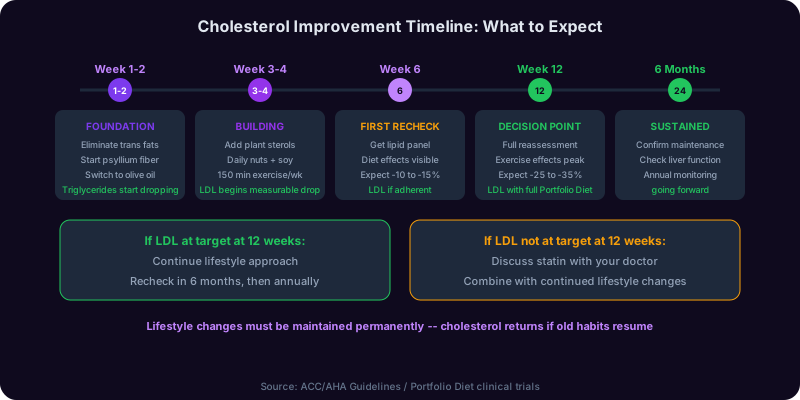
- 6 weeks: Recheck to see initial dietary impact. If LDL has not dropped at least 10%, reassess dietary adherence, particularly soluble fiber intake, saturated fat reduction, and plant sterol consumption
- 12 weeks: Full reassessment including exercise effects. This is the decision point: if LDL remains above target after 12 weeks of committed lifestyle changes, discuss medication with your doctor
- 6 months: Confirm sustained improvements. If on a statin, check liver function (ALT) and assess for any muscle symptoms
- Annually: Ongoing monitoring to ensure targets are maintained
The Lab Results Copilot can track your lipid panel results over time, flag concerning trends, and explain what each value means in the context of your overall cardiovascular risk. For understanding how to prepare for and interpret your blood work, see our comprehensive guide on how to read blood test results. You can also explore the reading your lab results scenario for a guided walkthrough of interpreting your results with AI assistance.
Your Comprehensive Cholesterol-Lowering Action Plan: Week-by-Week Guide
Lowering cholesterol naturally requires sustained, multi-pronged action. The following plan synthesizes every evidence-based strategy covered in this guide into a practical, week-by-week timeline. This plan is designed for adults with elevated LDL (100-189 mg/dL) who want to maximize lifestyle-driven reductions before considering medication, or for those who want to complement statin therapy with lifestyle optimization.
Week 1-2: Foundation Phase
- Get baseline labs: Request a comprehensive lipid panel including total cholesterol, LDL, HDL, triglycerides, and ideally ApoB and Lp(a) if you have never had them tested
- Eliminate trans fats: Check all packaged foods for partially hydrogenated oils and remove them from your kitchen
- Start soluble fiber: Add 5 grams of psyllium husk daily (half the target dose) to allow your gut to adjust. Mix into water, smoothies, or oatmeal
- Replace butter with olive oil: Switch to extra virgin olive oil for cooking and use it as a bread dip instead of butter
- Begin walking: 20 minutes of brisk walking, 5 days per week. This initiates triglyceride reduction and begins the LDL particle size shift
- Identify your biggest saturated fat sources: Track food intake for 3 days using an app or the Nutrition Copilot to find where most saturated fat is coming from
Week 3-4: Building Momentum
- Increase psyllium to full dose: 10-12 grams per day, split into 2 doses (morning and evening)
- Add plant sterols: Start consuming 2 grams per day through fortified foods or supplements, taken with meals
- Introduce soy protein: Replace one animal protein serving per day with soy (tofu stir-fry, edamame snack, soy milk in coffee)
- Daily nuts: Eat 1 ounce of almonds, walnuts, or pistachios as a daily snack
- Increase exercise: Build to 30 minutes of brisk walking or cycling, 5 days per week (150 minutes total)
- Add fatty fish: Eat salmon, mackerel, sardines, or trout at least twice per week
- Cut refined sugars: Eliminate sugar-sweetened beverages and reduce desserts to 2-3 times per week
Week 5-6: Full Portfolio Diet Integration
- Recheck lipids at 6 weeks: Your LDL should show initial reductions if dietary changes are being followed consistently
- Optimize saturated fat: Target less than 13 grams per day. Replace cheese with avocado, swap red meat for fish or beans 4+ days per week, use plant-based milk in cooking
- Add resistance training: Begin 2-3 sessions per week of bodyweight exercises or weight training (see our beginner strength training program), focusing on major muscle groups
- Increase vegetable and legume intake: Aim for 1 cup of beans or lentils daily and 5+ servings of vegetables
- Add ground flaxseed: 2 tablespoons daily sprinkled on oatmeal, yogurt, or salads for additional soluble fiber and ALA omega-3s
Week 7-12: Optimization and Assessment
- Maintain all dietary changes: The Portfolio Diet achieves its full LDL-lowering effect at approximately 8-12 weeks of consistent adherence
- Increase exercise intensity: If tolerated, add interval training or increase walking pace. Target 200+ minutes per week for maximum HDL benefit
- Address weight if needed: If overweight, a modest caloric deficit of 300-500 calories per day combined with the dietary changes above will promote gradual weight loss that further improves lipids. Every 10 pounds lost reduces LDL by approximately 5-8 mg/dL
- Recheck lipids at 12 weeks: This is the critical decision point. Compare your results to baseline
Interpreting Your 12-Week Results
| Result | Next Step |
| LDL at target (varies by risk level) | Continue lifestyle approach. Recheck in 6 months, then annually |
| LDL improved by 20%+ but not at target | Continue lifestyle changes, reassess in 3 months. Discuss statin if high-risk |
| LDL improved by less than 10% | Reassess dietary adherence. Consider adding a statin, especially if ASCVD risk is above 7.5% |
| LDL unchanged or increased | Genetic factors likely dominant. Statin therapy recommended. Continue lifestyle changes as adjunct |
Long-Term Maintenance
Once you reach your target, the lifestyle changes must continue indefinitely. Cholesterol will return to previous levels within weeks if you revert to old eating patterns. Think of these changes not as a temporary "cholesterol diet" but as your permanent eating pattern. The good news: most people report that within 4-6 weeks, the new foods become habitual, cravings for high-saturated-fat foods diminish, and the Portfolio/Mediterranean way of eating becomes genuinely enjoyable.
Monitor your blood pressure alongside your cholesterol. High cholesterol and high blood pressure are the two most common co-occurring cardiovascular risk factors, and the lifestyle changes that improve one often improve the other. See our guide on how to lower blood pressure naturally for complementary strategies. If you experience anxiety about your health numbers, our guide on how to reduce anxiety naturally offers evidence-based coping strategies.
If you ever experience sudden chest pain, shortness of breath, or other symptoms that could signal a cardiovascular emergency, review our guide on when to go to the emergency room to understand the warning signs that require immediate medical attention.
For personalized guidance through every stage of this plan, Copilotly's suite of health tools can serve as your daily companion. The Health Copilot helps you understand your cardiovascular risk, the Nutrition Copilot builds meal plans around cholesterol-lowering foods, the Fitness Copilot designs lipid-optimizing exercise programs, the Lab Results Copilot tracks your progress, and the Medication Copilot helps you understand statin options if they become necessary. Explore the full Health domain for more resources.
This guide is for informational purposes only and does not constitute medical advice. Cholesterol management should always be discussed with a qualified healthcare provider who can evaluate your complete medical history, risk factors, and individual circumstances. Never start, stop, or change medications without consulting your doctor.
Frequently asked questions
How quickly can diet changes lower LDL cholesterol?
Are eggs bad for cholesterol?
Can you lower cholesterol without taking statins?
What is the best supplement to lower cholesterol?
How often should I get my cholesterol checked?
Does high cholesterol cause any noticeable symptoms?
Is high cholesterol genetic, and can you still lower it naturally if it runs in your family?
What is the connection between high cholesterol and high blood pressure?
Does exercise lower cholesterol more than diet?
Diet has a larger direct impact on LDL cholesterol than exercise. The Portfolio Diet can lower LDL by 25-35%, while exercise typically reduces LDL by only 3-5%. However, exercise produces critical benefits that diet alone cannot match: it raises HDL by 5-10%, lowers triglycerides by 10-20%, and converts small, dense LDL particles into larger, less dangerous ones. A 2020 study using NMR spectroscopy found that 12 weeks of moderate exercise reduced small dense LDL by 18%, even when total LDL barely changed. The most effective approach combines both diet and exercise, which produces additive benefits across your entire lipid profile.
What is the fastest way to lower LDL cholesterol naturally?
The fastest natural approach combines the full Portfolio Diet with aggressive saturated fat reduction simultaneously. Soluble fiber (psyllium, oats) begins binding bile acids immediately, plant sterols block cholesterol absorption from the first dose, and saturated fat reduction shows measurable LDL changes within 2-3 weeks. A person who starts all four Portfolio Diet pillars on the same day and eliminates trans fats can expect a 15-25% LDL reduction by 6 weeks. For comparison, starting one change at a time takes 3-4 months to reach the same result. The key is tracking adherence: soluble fiber at 18+ grams daily, plant sterols at 2 grams, and saturated fat below 6% of calories.
Is coconut oil bad for cholesterol?
Yes, despite marketing claims about being a healthy fat, coconut oil is 82% saturated fat - more than butter (63%) or lard (39%). A 2020 systematic review in Circulation found that coconut oil raised LDL cholesterol by an average of 10.5 mg/dL compared to non-tropical vegetable oils like olive oil or canola oil. The American Heart Association explicitly advises against coconut oil for people managing cholesterol. While coconut oil does raise HDL slightly, the LDL increase outweighs any protective HDL benefit. Replace coconut oil with extra virgin olive oil, which has robust evidence for cardiovascular protection from the PREDIMED trial.
Take Control of Your Cholesterol Today
Use the Health Copilot to understand your cardiovascular risk, get personalized Portfolio Diet meal plans from the Nutrition Copilot, track your lipid panel progress with the Lab Results Copilot, and explore statin options with the Medication Copilot.
- Health & Medical CopilotAsk questions about your cholesterol levels and get personalized guidance on cardiovascular risk reduction
Free plan, no card. Pro from $4.99/week for every copilot across all 20 domains - about what one hour with any single professional costs per year.
Not a medical providerThis is health information, not medical advice. Always consult your healthcare provider.