What A1C Measures and How It Works: The Science of Glycated Hemoglobin
The A1C test, also called the hemoglobin A1C, HbA1c, or glycosylated hemoglobin test, measures the percentage of your hemoglobin molecules that have glucose permanently attached to them. Hemoglobin is the protein inside red blood cells that carries oxygen from your lungs to the rest of your body. When glucose circulates in your bloodstream, it naturally attaches to hemoglobin through a process called glycation. The higher your blood sugar levels over time, the more hemoglobin becomes glycated.
Here is the key insight that makes the A1C test so valuable: red blood cells live for approximately 90-120 days. Because glycation is irreversible, once glucose binds to a hemoglobin molecule, it stays attached for the entire lifespan of that red blood cell. This means your A1C result reflects your average blood glucose level over the previous 2 to 3 months, not just a snapshot of a single moment in time. A fasting blood glucose test can be influenced by what you ate the night before, whether you slept well, or how stressed you were that morning. The A1C is far more stable and provides a broader picture of your metabolic health.
Specifically, the A1C test measures the fraction of hemoglobin that is glycated at the N-terminal valine residue of the beta chain. This particular modification, called HbA1c, is the most clinically relevant form. Modern laboratory methods use high-performance liquid chromatography (HPLC) or immunoassay techniques certified by the National Glycohemoglobin Standardization Program (NGSP) to ensure consistency across labs. When your doctor orders an A1C, the result is expressed as a percentage: an A1C of 6.0% means that 6% of your hemoglobin molecules have glucose attached to them.
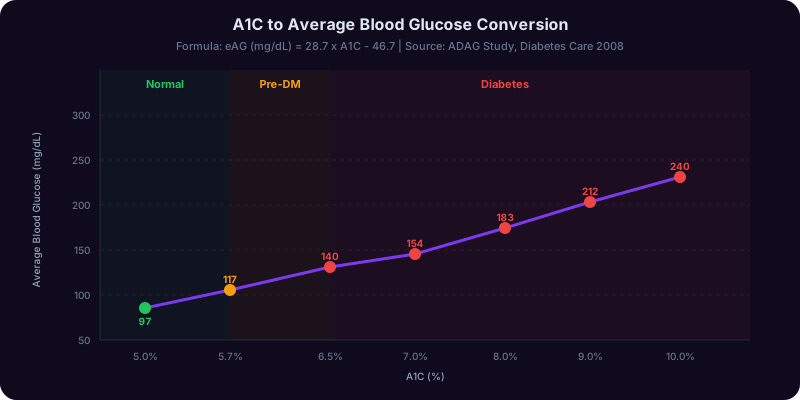
The relationship between A1C percentage and average blood glucose was rigorously quantified in the A1C-Derived Average Glucose (ADAG) study, published in Diabetes Care in 2008. This landmark study established the formula: estimated average glucose (mg/dL) = 28.7 x A1C - 46.7. This means an A1C of 7.0% corresponds to an average blood glucose of approximately 154 mg/dL, while an A1C of 5.7% corresponds to roughly 117 mg/dL. This formula is now used worldwide and appears on most lab reports as the estimated Average Glucose (eAG).
Historically, diabetes diagnosis relied solely on fasting blood glucose and oral glucose tolerance tests. The American Diabetes Association (ADA) officially endorsed the A1C test as a diagnostic tool in 2010, following an international expert committee recommendation. The rationale was compelling: the A1C does not require fasting, has lower day-to-day variability than glucose measurements, and more accurately reflects long-term glycemic exposure, which is the primary driver of diabetic complications. The landmark Diabetes Control and Complications Trial (DCCT), published in 1993, and the United Kingdom Prospective Diabetes Study (UKPDS), completed in 1998, both demonstrated that A1C is the single best predictor of diabetes-related complications, including retinopathy, nephropathy, and neuropathy.
Understanding your A1C number is the first step toward taking control of your metabolic health. If you have received lab results that include an A1C value and are unsure what it means in the context of your other blood work, the Lab Results Copilot can walk you through each value and explain how they relate to one another. For a broader understanding of interpreting lab work, see our comprehensive guide on how to read your blood test results. If you are experiencing symptoms like increased thirst, frequent urination, or unexplained fatigue, our guide to early diabetes symptoms can help you recognize warning signs.
This article provides general health information based on published medical research and guidelines. It is not a substitute for professional medical advice, diagnosis, or treatment. Always consult your physician or a qualified healthcare provider with questions about your individual health or before making changes to your treatment plan.
A1C Levels Chart: Normal, Prediabetes, and Diabetes Ranges with Corresponding Blood Sugar
The ADA defines three primary diagnostic categories based on A1C percentage. These thresholds were established through large epidemiological studies that identified the A1C levels at which the risk of diabetic retinopathy, the most specific microvascular complication of diabetes, begins to rise sharply. Understanding exactly where your number falls is critical for determining the appropriate response, whether that is continued monitoring, lifestyle intervention, or medical treatment.
| A1C Level | Classification | Estimated Average Blood Sugar (eAG) | What This Means |
| Below 5.7% | Normal | Below 117 mg/dL (6.5 mmol/L) | Blood sugar regulation is functioning properly. Continue healthy habits and retest per your doctor's schedule. |
| 5.7% - 6.4% | Prediabetes | 117-137 mg/dL (6.5-7.6 mmol/L) | Blood sugar is elevated. Without intervention, 15-30% of people with prediabetes develop type 2 diabetes within 5 years (CDC data). |
| 6.5% or higher | Diabetes | 140 mg/dL or higher (7.8+ mmol/L) | Meets the ADA diagnostic threshold for diabetes. Requires confirmation with a repeat test unless symptoms are present. |
A more granular breakdown helps you understand the clinical significance at each level:
| A1C % | eAG (mg/dL) | eAG (mmol/L) | Risk Level |
| 4.0% | 68 | 3.8 | Normal (low end) |
| 5.0% | 97 | 5.4 | Normal |
| 5.5% | 111 | 6.2 | Normal (upper range) |
| 5.7% | 117 | 6.5 | Prediabetes threshold |
| 6.0% | 126 | 7.0 | Prediabetes (moderate risk) |
| 6.4% | 137 | 7.6 | Prediabetes (high risk, near diabetes) |
| 6.5% | 140 | 7.8 | Diabetes diagnostic threshold |
| 7.0% | 154 | 8.6 | Diabetes (ADA treatment target for most adults) |
| 8.0% | 183 | 10.2 | Diabetes (above target, increased complication risk) |
| 9.0% | 212 | 11.8 | Diabetes (poorly controlled, high complication risk) |
| 10.0% | 240 | 13.4 | Diabetes (severely elevated, urgent intervention needed) |
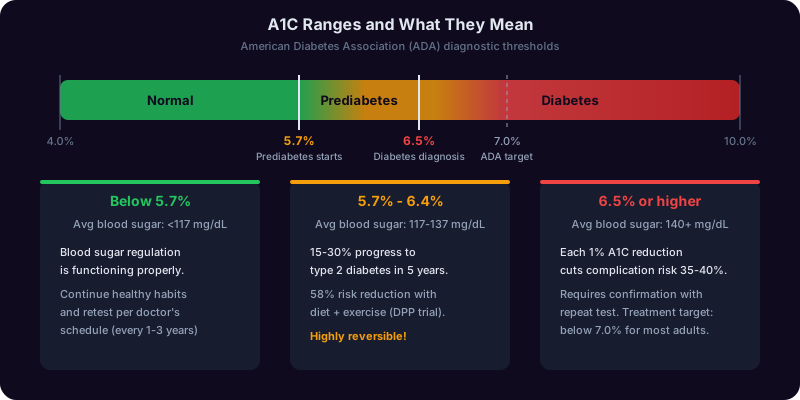
Several important nuances deserve attention. First, the prediabetes range of 5.7%-6.4% is not a benign waiting room. Cardiovascular risk begins to increase at A1C levels as low as 5.6%, according to a 2010 meta-analysis in the New England Journal of Medicine that included over 70 prospective studies and nearly 300,000 participants. People with prediabetes already face a 20-30% higher risk of cardiovascular disease compared to those with normal A1C levels.
Second, the ADA recommends different A1C treatment targets depending on the individual. For most non-pregnant adults with diabetes, the general target is below 7.0%. However, for younger patients without significant complications or hypoglycemia risk, a stricter target of below 6.5% may be appropriate. For older adults with limited life expectancy, multiple comorbidities, or a history of severe hypoglycemia, a more relaxed target of below 8.0% is often recommended, because the risk of aggressive blood sugar lowering (particularly hypoglycemia) may outweigh the benefit of preventing long-term complications.
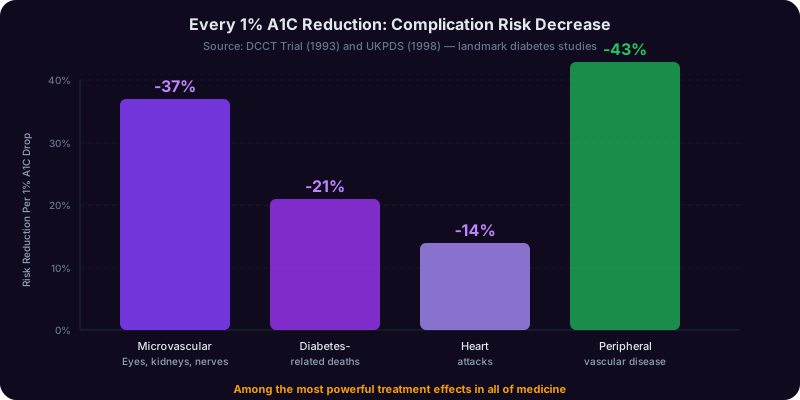
Third, the DCCT trial demonstrated that every 1% reduction in A1C reduces the risk of microvascular complications by approximately 35-40%. The UKPDS showed that each 1% drop in A1C was associated with a 21% reduction in diabetes-related deaths, a 14% reduction in heart attacks, and a 37% reduction in microvascular complications. These are among the most powerful treatment effect sizes in all of medicine.
If you have just received an A1C result that falls in the prediabetes or diabetes range, the Health Copilot can help you understand what comes next, including which follow-up tests to request and what questions to ask your doctor. For a detailed walkthrough of interpreting all the numbers on your lab panel, visit our guide on reading your blood test results or try the lab results reading scenario.
Factors That Affect A1C Accuracy: When Your Number Might Be Misleading
The A1C test is remarkably useful, but it is not infallible. Several biological conditions can cause your A1C to read falsely high or falsely low, potentially leading to misdiagnosis or inappropriate treatment decisions. Understanding these limitations is essential for both patients and clinicians, and the ADA acknowledges these caveats in its Standards of Care guidelines.
Conditions That Can Cause a Falsely Low A1C
Hemolytic anemias and blood loss: Any condition that increases red blood cell turnover will lower your A1C because hemoglobin has less time to accumulate glucose. Conditions include sickle cell disease (particularly sickle cell trait, which affects approximately 8% of Black Americans), thalassemia, hereditary spherocytosis, and G6PD deficiency. Significant blood loss from surgery, heavy menstrual periods, or gastrointestinal bleeding has a similar effect. A patient with hemolytic anemia could have dangerously high blood sugars while showing a normal A1C.
Hemoglobin variants: Hemoglobin S (sickle cell), hemoglobin C, hemoglobin D, and hemoglobin E can interfere with certain A1C assay methods, producing either falsely high or falsely low results depending on the specific hemoglobin variant and the laboratory method used. The NGSP maintains a list of which assay methods are affected by which variants. HPLC methods are more susceptible to interference from hemoglobin variants than immunoassay methods. If you have a known hemoglobinopathy, your doctor should use a laboratory method verified to be accurate for your specific variant, or rely on alternative markers like fructosamine or glycated albumin.
Recent blood transfusion: Receiving transfused blood dilutes your glycated hemoglobin with the donor's hemoglobin, which was glycated according to the donor's blood sugar levels, not yours. A1C results are unreliable for approximately 2-3 months after a transfusion.
Erythropoietin therapy (EPO): EPO stimulates the production of new red blood cells, which have not yet been exposed to glucose for long. This increased proportion of young, unglycated red blood cells lowers A1C. Patients on EPO for chronic kidney disease or chemotherapy-related anemia should not rely on A1C alone.
Conditions That Can Cause a Falsely High A1C
Iron deficiency anemia: This is the most common cause of falsely elevated A1C. Iron deficiency slows red blood cell production, meaning existing red blood cells circulate longer and accumulate more glucose. A 2015 study in the Journal of Diabetes Investigation found that iron deficiency could raise A1C by 0.5-1.0 percentage points independent of blood sugar levels. After iron supplementation corrects the anemia, A1C drops back to its true level. This is clinically significant because iron deficiency is extremely common, particularly in women of reproductive age, vegetarians, and people with chronic disease.
Chronic kidney disease (CKD): Advanced CKD alters red blood cell lifespan and can form carbamylated hemoglobin, which some assays misidentify as glycated hemoglobin. A1C tends to be unreliable in patients with CKD stages 4-5, and alternative glycemic markers are preferred.
Pregnancy: Pregnancy complicates A1C interpretation in several ways. In the first trimester, A1C may be falsely low due to increased red blood cell production and hemodilution. In the second and third trimesters, iron deficiency anemia is common, which can push A1C falsely high. The ADA recommends that for pregnant women, glucose monitoring and oral glucose tolerance testing are more reliable than A1C for diagnosing gestational diabetes. For women with pre-existing diabetes during pregnancy, A1C should be checked every trimester, with a target of below 6.0% (if achievable without significant hypoglycemia).
Age and race/ethnicity: A1C naturally increases with age by approximately 0.1% per decade after age 30, independent of blood glucose changes. Additionally, multiple studies, including the ARIC study, have shown that Black, Hispanic, and Asian individuals tend to have A1C levels 0.3-0.4 percentage points higher than white individuals at the same average blood glucose level. This has led to ongoing debate about whether the same diagnostic thresholds should be applied across all racial and ethnic groups. As of 2026, the ADA continues to use the same thresholds universally but acknowledges this discrepancy in its guidelines.
When to Use Alternative Tests
If any of the conditions above apply to you, your doctor may use alternative markers to assess long-term blood sugar control: Try our AI symptom checker for step-by-step help.
| Alternative Test | What It Measures | Time Window | Best For |
| Fructosamine | Glycated serum proteins (mainly albumin) | 2-3 weeks | Hemoglobin variants, recent transfusion, hemolytic anemia |
| Glycated albumin | Glucose attached to albumin | 2-3 weeks | CKD stages 4-5, dialysis patients |
| Continuous Glucose Monitoring (CGM) | Real-time interstitial glucose | Continuous | Any condition affecting A1C reliability |
| Fasting plasma glucose | Blood glucose after 8+ hour fast | Single point in time | Confirmatory testing alongside A1C |
The Lab Results Copilot can help you identify whether any conditions on your lab panel (such as low iron, low hemoglobin, or elevated creatinine) might be affecting your A1C accuracy and suggest which additional tests to discuss with your doctor.

Get Answers From the Health Copilot
Use the Health Copilot to understand your A1C results, build a low-glycemic meal plan with the Nutrition Copilot, design a blood-sugar-lowering exercise program with the Fitness Copilot, and compare diabetes medication options with the Medication Copilot.
Diet Strategies to Lower A1C: Glycemic Index, Carb Counting, and the Power of Fiber
Diet is the single most impactful lifestyle factor for lowering A1C, and the evidence base is extensive. The Diabetes Prevention Program (DPP), one of the largest and most rigorous lifestyle intervention trials ever conducted, demonstrated that dietary changes combined with moderate exercise reduced the risk of developing type 2 diabetes by 58% in people with prediabetes, outperforming the medication metformin (which reduced risk by 31%). A1C reductions of 0.5-1.5 percentage points are achievable through dietary changes alone, according to multiple systematic reviews published in Diabetes Care.
Understanding the Glycemic Index and Glycemic Load
The glycemic index (GI) ranks foods from 0-100 based on how quickly they raise blood glucose after eating, compared to pure glucose (GI = 100). Foods are categorized as:
- Low GI (55 or below): Most non-starchy vegetables, legumes, nuts, steel-cut oats, barley, most fruits, sweet potatoes
- Medium GI (56-69): Brown rice, whole wheat bread, basmati rice, bananas, pineapple
- High GI (70+): White bread, white rice, potatoes, corn flakes, watermelon, pretzels
However, GI alone is insufficient because it does not account for portion size. The glycemic load (GL) corrects for this by multiplying the GI by the actual grams of carbohydrate in a serving and dividing by 100. For example, watermelon has a high GI (76) but a low GL (4 per serving) because a typical serving contains relatively few carbohydrates. A 2019 Cochrane review found that low-GI diets reduced A1C by 0.3-0.5 percentage points compared to higher-GI diets in people with type 2 diabetes.
Practical Carb Counting
Carbohydrate counting is the cornerstone of blood sugar management because carbohydrates are the macronutrient with the most direct and significant impact on blood glucose. The ADA does not prescribe a single carbohydrate target because individual needs vary based on medication, activity level, body weight, and insulin sensitivity. However, common frameworks include:
| Approach | Daily Carb Target | Best For | Expected A1C Impact |
| Standard carb counting | 45-60g per meal (135-180g/day) | Most people with type 2 diabetes on oral medications | 0.3-0.5% reduction |
| Moderate low-carb | 100-130g per day | People seeking greater blood sugar control without extreme restriction | 0.5-1.0% reduction |
| Low carb | 50-100g per day | People with insulin resistance, motivated patients | 0.7-1.2% reduction |
| Very low carb / ketogenic | Below 50g per day | Under medical supervision only; not sustainable for most | 1.0-1.5% reduction (short-term) |
A 2022 consensus report published in Diabetologia found that reducing carbohydrate intake to 26-45% of total calories (the moderate low-carb range) produced the most consistent and sustainable A1C improvements when measured beyond 12 months. Very low-carb diets produced larger short-term reductions but had higher dropout rates and showed diminishing advantage over moderate approaches after one year.
The Critical Role of Fiber
Fiber is the most underutilized dietary tool for A1C management. Soluble fiber (found in oats, beans, lentils, barley, and certain fruits) forms a gel in the digestive tract that slows glucose absorption, reduces post-meal blood sugar spikes, and improves insulin sensitivity. A 2020 meta-analysis in The Lancet that analyzed 185 prospective studies and 58 clinical trials found that people who consumed 25-35 grams of fiber daily had a 15-30% lower risk of developing type 2 diabetes compared to those eating less than 15 grams.
For people already diagnosed with diabetes, a 2021 review in Diabetes Care found that increasing fiber intake by 15 grams per day lowered A1C by approximately 0.3 percentage points and fasting blood glucose by 16 mg/dL. Here are high-fiber foods and their serving sizes:
- Black beans: 15g fiber per cup (cooked)
- Lentils: 15.6g fiber per cup (cooked)
- Chickpeas: 12.5g fiber per cup (cooked)
- Oatmeal (steel-cut): 5g fiber per 1/4 cup (dry)
- Chia seeds: 10g fiber per ounce (2 tablespoons)
- Avocado: 10g fiber per whole avocado
- Broccoli: 5g fiber per cup (cooked)
- Raspberries: 8g fiber per cup
Meal Construction Strategy: The Plate Method
The ADA recommends the Diabetes Plate Method as a simple framework for meal construction: fill half your plate with non-starchy vegetables, one quarter with lean protein, and one quarter with complex carbohydrates. Always eat vegetables and protein before carbohydrates within a meal. A 2023 study in Diabetes Care found that simply changing the order in which foods are eaten (vegetables and protein first, carbohydrates last) reduced post-meal blood glucose spikes by 35-40% without changing the total amount of food consumed.
The Nutrition Copilot can help you build personalized meal plans based on your A1C target, food preferences, and daily carbohydrate budget. It can also calculate the glycemic load of specific meals and suggest lower-GI substitutions for foods you enjoy.
Exercise and A1C: How Physical Activity Lowers Blood Sugar (With Specific Study Results)
Exercise lowers A1C through two distinct mechanisms. First, muscle contractions during exercise directly transport glucose into muscle cells without requiring insulin, through a pathway involving the GLUT4 transporter and AMP-activated protein kinase (AMPK). This means exercise lowers blood sugar even in people who are insulin resistant. Second, regular exercise improves insulin sensitivity for 24-72 hours after each session, meaning your body needs less insulin to move glucose out of the bloodstream. Over weeks and months, these acute effects compound into measurable A1C reductions.
The evidence is substantial and specific. Here is what major studies and meta-analyses have found:
| Study / Meta-Analysis | Exercise Type | Duration | A1C Reduction |
| Umpierre et al., 2011 (JAMA), 47 RCTs, n=8,538 | Structured aerobic exercise (150+ min/week) | 12+ weeks | -0.73% |
| Umpierre et al., 2011 (JAMA) | Structured resistance training | 12+ weeks | -0.57% |
| Umpierre et al., 2011 (JAMA) | Combined aerobic + resistance | 12+ weeks | -0.51% |
| Church et al., 2010 (JAMA), HART-D trial | Combined aerobic + resistance | 9 months | -0.34% (vs. control, significant) |
| Sigal et al., 2007 (Annals of Internal Medicine), DARE trial | Aerobic only | 22 weeks | -0.51% |
| Sigal et al., 2007, DARE trial | Resistance only | 22 weeks | -0.38% |
| Sigal et al., 2007, DARE trial | Combined aerobic + resistance | 22 weeks | -0.97% |
| Pan et al., 1997 (Da Qing study) | Moderate exercise (20 min/day) | 6 years | 46% diabetes risk reduction in prediabetes |
The DARE trial result is particularly noteworthy: combining aerobic and resistance exercise produced nearly a full percentage point A1C reduction, which is comparable to adding a diabetes medication. The ADA's 2026 Standards of Care recommend that adults with type 2 diabetes perform at least 150 minutes per week of moderate-to-vigorous aerobic activity spread over at least 3 days (with no more than 2 consecutive days without exercise) and 2-3 sessions per week of resistance training.
Aerobic Exercise Specifics
Walking is the most accessible and well-studied aerobic exercise for blood sugar management. A 15-minute walk after each meal is one of the most effective single interventions for reducing post-meal glucose spikes. A 2016 study in Diabetologia found that three 10-minute post-meal walks lowered 24-hour blood glucose significantly more than a single 30-minute walk at any other time of day. Moderate-intensity aerobic exercise includes brisk walking (3.0-4.5 mph), cycling, swimming, and dancing. Vigorous intensity includes jogging, fast cycling, aerobics classes, and competitive sports.
Resistance Training Specifics
Resistance training improves A1C primarily by increasing muscle mass, which increases the body's capacity to store glucose as glycogen and enhances insulin sensitivity. The ADA recommends targeting all major muscle groups (legs, hips, back, chest, abdomen, shoulders, and arms) with 2-3 sets of 8-12 repetitions at moderate to high intensity. Resistance bands, bodyweight exercises, weight machines, and free weights are all effective. A 2022 review in Sports Medicine found no significant difference in glycemic outcomes between different resistance training modalities, meaning the best equipment is whatever you will use consistently.
High-Intensity Interval Training (HIIT)
HIIT has shown particular promise for blood sugar management. A 2021 meta-analysis in Obesity Reviews found that HIIT reduced A1C by 0.50% in people with type 2 diabetes, comparable to moderate continuous exercise but requiring 40% less time commitment. A typical HIIT protocol involves 4-6 intervals of 30-60 seconds at 85-95% maximum heart rate, separated by 60-90 seconds of recovery, for a total session time of 20-25 minutes. However, people with uncontrolled diabetes (A1C above 9%), active proliferative retinopathy, or unstable cardiovascular disease should consult their physician before starting HIIT.
Important Safety Considerations
If you take insulin or sulfonylureas (glipizide, glimepiride, glyburide), exercise increases the risk of hypoglycemia (dangerously low blood sugar). Check your blood glucose before exercising: if it is below 100 mg/dL, eat a 15-20 gram carbohydrate snack before starting. If it is above 250 mg/dL with ketones, do not exercise until the situation is resolved. Always carry a fast-acting carbohydrate source (glucose tablets, juice) during exercise. The Fitness Copilot can design a blood-sugar-optimized exercise program tailored to your current fitness level, and the Medication Copilot can help you understand how your diabetes medications interact with exercise timing.
Medications That Lower A1C: Metformin, SGLT2 Inhibitors, GLP-1 Receptor Agonists, and More
When lifestyle changes alone are insufficient to reach your A1C target, or when your starting A1C is significantly elevated (generally above 7.5-8.0%), medication becomes an essential part of the treatment plan. The landscape of diabetes medications has expanded dramatically, with newer drug classes offering not only blood sugar control but also cardiovascular and kidney protection. Here is a comprehensive overview of the major medication classes, their expected A1C reductions, and their distinct advantages.
Metformin: The First-Line Standard
Metformin remains the first-line medication for type 2 diabetes per the ADA's 2026 Standards of Care, a position it has held for over two decades. It works by reducing glucose production in the liver and improving insulin sensitivity in peripheral tissues. Expected A1C reduction: 1.0-1.5 percentage points. Metformin is generic, inexpensive (often under $10/month), weight-neutral to slightly weight-reducing, and has an extensive safety record spanning over 60 years of clinical use.
Common side effects include gastrointestinal symptoms (nausea, diarrhea, abdominal discomfort) in 20-30% of patients, which usually resolve within 2-4 weeks or can be minimized by using the extended-release formulation. The most important long-term consideration is that metformin reduces vitamin B12 absorption in up to 30% of long-term users. The ADA recommends periodic B12 monitoring, particularly in patients who have been on metformin for more than 4 years or who report symptoms of peripheral neuropathy.
SGLT2 Inhibitors: Blood Sugar Control Plus Heart and Kidney Protection
Sodium-glucose cotransporter 2 (SGLT2) inhibitors, including empagliflozin (Jardiance), dapagliflozin (Farxiga), and canagliflozin (Invokana), work by blocking glucose reabsorption in the kidneys, causing excess glucose to be excreted in the urine. Expected A1C reduction: 0.5-0.8 percentage points. They also cause modest weight loss (2-3 kg) and blood pressure reduction (3-5 mmHg systolic).
The landmark EMPA-REG OUTCOME trial (2015) demonstrated that empagliflozin reduced cardiovascular death by 38% and hospitalization for heart failure by 35% in patients with type 2 diabetes and established cardiovascular disease. The DAPA-HF trial extended these findings by showing that dapagliflozin reduces heart failure hospitalization even in patients without diabetes. For kidney protection, the CREDENCE trial showed that canagliflozin reduced the risk of kidney failure by 30% in diabetic patients with chronic kidney disease. These benefits are independent of A1C lowering, meaning the drugs protect the heart and kidneys through mechanisms beyond blood sugar control.
Side effects include increased risk of genital yeast infections (particularly in women), urinary tract infections, and a rare but serious condition called euglycemic diabetic ketoacidosis (DKA with normal or near-normal blood sugar). SGLT2 inhibitors should be temporarily discontinued before surgery, during prolonged fasting, or during acute illness.
GLP-1 Receptor Agonists: Powerful A1C Reduction with Weight Loss
GLP-1 receptor agonists, including semaglutide (Ozempic, Rybelsus), liraglutide (Victoza), dulaglutide (Trulicity), and tirzepatide (Mounjaro), mimic the incretin hormone GLP-1 to stimulate insulin secretion, suppress glucagon, slow gastric emptying, and reduce appetite. Expected A1C reduction: 1.0-2.0 percentage points, making them among the most potent blood sugar-lowering medications available.
The SUSTAIN trials for semaglutide and the SURPASS trials for tirzepatide have demonstrated unprecedented efficacy. In the SURPASS-4 trial, tirzepatide at the highest dose (15 mg) reduced A1C by an average of 2.58 percentage points from a baseline of 8.52%, bringing the mean A1C to just 5.94%, which is in the normal range. Weight loss with these agents is substantial: semaglutide produces 5-10% body weight loss, while tirzepatide produces 10-15% in most patients.
The SELECT trial (2023) demonstrated that semaglutide 2.4 mg reduced major adverse cardiovascular events (heart attack, stroke, cardiovascular death) by 20% in overweight or obese adults with established cardiovascular disease, even those without diabetes. This cemented GLP-1 receptor agonists as cardiometabolic drugs, not just diabetes medications. For a deeper look at how these medications work, their side effects, and what to expect, see our detailed guide on GLP-1 medications including Ozempic side effects.
Common side effects include nausea (20-40% of patients, usually resolving in 2-4 weeks), vomiting, diarrhea, and constipation. Rare but serious risks include pancreatitis and a theoretical concern about medullary thyroid carcinoma (observed in rodent studies but not confirmed in humans).
Other Medication Classes
| Class | Examples | A1C Reduction | Key Considerations |
| DPP-4 Inhibitors | Sitagliptin (Januvia), linagliptin (Tradjenta) | 0.5-0.8% | Weight-neutral, well-tolerated, but less potent than GLP-1s |
| Sulfonylureas | Glipizide, glimepiride, glyburide | 1.0-1.5% | Inexpensive, but cause weight gain and hypoglycemia risk |
| Thiazolidinediones | Pioglitazone (Actos) | 1.0-1.5% | Improve insulin sensitivity, but cause weight gain, edema, fracture risk |
| Insulin | Basal (glargine, degludec), bolus (lispro, aspart) | 1.5-3.5% | Most potent; no ceiling on A1C reduction. Requires monitoring, causes weight gain |
The 2026 ADA guidelines recommend that the choice of second-line medication (after metformin) should be driven by comorbidities: if a patient has established cardiovascular disease or heart failure, an SGLT2 inhibitor or GLP-1 RA with proven cardiovascular benefit should be prioritized. If chronic kidney disease is present, an SGLT2 inhibitor with proven kidney benefit is preferred. If weight management is the primary concern, a GLP-1 RA or dual GIP/GLP-1 agonist (tirzepatide) is the strongest option.
Understanding your medication options is critical for informed decision-making with your doctor. The Medication Copilot can explain how each drug works, compare side effect profiles, check for interactions with other medications you take, and help you prepare questions for your next appointment. For broader context on how blood sugar control relates to cardiovascular health, see our guide on lowering blood pressure naturally, since hypertension and diabetes frequently coexist and share management strategies.
A1C Monitoring Schedule and Home Testing: How Often to Test and What Tools Are Available
Knowing your A1C number is only useful if you check it at the right intervals and pair it with day-to-day glucose monitoring. The ADA provides clear guidance on testing frequency, and the tools available for home monitoring have improved dramatically in recent years.
How Often Should You Get an A1C Test?
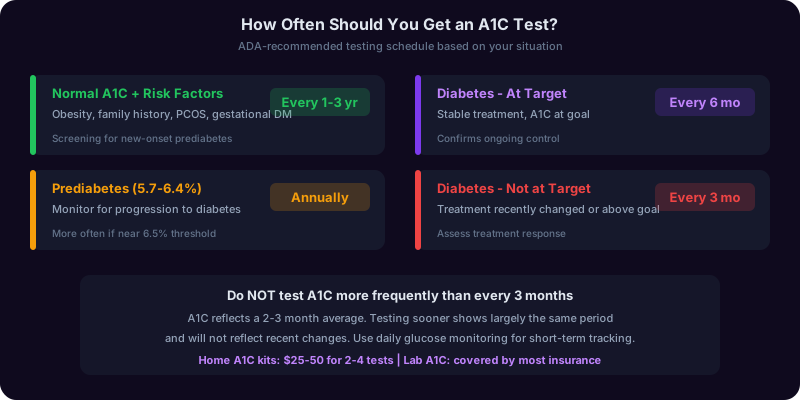
The ADA recommends different testing schedules depending on your situation:
| Situation | Recommended A1C Frequency | Rationale |
| Well-controlled diabetes (A1C at target, stable treatment) | Every 6 months | Confirms ongoing control; less frequent testing reduces cost and patient burden |
| Diabetes not at target or treatment recently changed | Every 3 months | Allows assessment of treatment response; A1C reflects ~3 months of glucose history |
| Prediabetes (A1C 5.7-6.4%) | At least annually | Monitors for progression to diabetes; more frequent if near 6.5% threshold |
| Normal A1C with risk factors (obesity, family history, PCOS, gestational diabetes history) | Every 1-3 years | Screening for new-onset prediabetes or diabetes |
| Newly diagnosed diabetes | At diagnosis, then every 3 months | Establishes baseline and tracks response to initial treatment |
An important principle: do not test A1C more frequently than every 3 months unless there is a specific clinical reason. Because A1C reflects a 2-3 month average, testing at shorter intervals will largely reflect the same period and will not show meaningful change from recent interventions. If you need to track the impact of a change you made last week, daily glucose monitoring is the appropriate tool, not A1C.
Home A1C Test Kits
Several FDA-cleared home A1C test kits are now available, allowing you to check your A1C without a laboratory visit. These include the A1CNow Self Check (PTS Diagnostics) and various pharmacy-available kits. Home kits use a small finger-prick blood sample and provide results in approximately 5 minutes. Their accuracy is generally within 0.5 percentage points of laboratory results, which is acceptable for trend monitoring between doctor visits but should not replace laboratory testing for clinical decision-making.
The cost of home A1C kits ranges from $25-50 for a pack of 2-4 tests. Insurance typically covers laboratory A1C testing but not home kits. If cost is a concern, most pharmacy chains (CVS, Walgreens) offer A1C testing at their minute clinics for $25-40 without an appointment.
Daily Glucose Monitoring: Fingerstick vs. CGM
A1C tells you the average, but it does not show the variability. Two people can have the same A1C of 7.0% with very different glucose patterns: one might maintain a steady 154 mg/dL throughout the day, while the other swings between 60 mg/dL (hypoglycemia) and 300 mg/dL (hyperglycemia). The second pattern is far more dangerous despite producing the same A1C. This is where daily monitoring becomes essential.
Fingerstick glucose meters remain the most widely used daily monitoring tool. Modern meters (Accu-Chek, OneTouch, Contour) are accurate within 15% of laboratory values and cost $15-40 for the meter, with test strips costing $0.20-1.00 each depending on insurance coverage. The ADA recommends that people on insulin test blood glucose 4-10 times daily (before meals, 2 hours after meals, at bedtime, and before driving or exercise). For people on oral medications only, 1-2 daily checks are generally sufficient.
Continuous glucose monitors (CGMs) have transformed diabetes management. Devices like the Dexterity G7, FreeStyle Libre 3, and Medtronic Guardian 4 use a tiny sensor inserted under the skin to measure interstitial glucose every 1-5 minutes, transmitting readings to a smartphone or receiver. CGMs provide a glucose trace showing trends, spikes, and dips throughout the day and night that fingersticks would miss entirely. A 2021 meta-analysis in Diabetes Care found that CGM use in type 2 diabetes reduced A1C by an additional 0.3-0.5 percentage points compared to fingerstick monitoring alone, because patients could see in real time how specific foods, activities, and timing affected their glucose and adjust accordingly.
Key CGM metrics to understand:
- Time in Range (TIR): Percentage of time glucose stays between 70-180 mg/dL. The ADA target is greater than 70% TIR.
- Time below Range (TBR): Percentage of time below 70 mg/dL. Target is less than 4%.
- Time above Range (TAR): Percentage of time above 180 mg/dL. Target is less than 25%.
- Glucose Management Indicator (GMI): An estimate of A1C based on CGM average glucose. Useful as a cross-check between lab A1C tests.
- Coefficient of Variation (CV): A measure of glucose variability. Target is below 36%.
As of 2026, CGMs are increasingly covered by insurance for people with type 2 diabetes on insulin, and some plans now cover them for people with prediabetes or type 2 diabetes on oral medications. The out-of-pocket cost without insurance ranges from $75-150 per month depending on the device. If you are exploring which monitoring approach is right for you, the Health Copilot can help you compare options based on your specific diagnosis, treatment plan, and insurance coverage. The reading your lab results scenario provides step-by-step guidance on interpreting your glucose data alongside other metabolic markers.
The 90-Day A1C Improvement Plan: A Step-by-Step Action Plan to Lower Your Numbers
Lowering your A1C requires sustained effort over weeks and months, but the process does not have to be overwhelming. This 90-day plan breaks down the evidence-based strategies from this guide into a manageable, phased approach. It is designed for someone with an A1C in the prediabetes or early diabetes range (5.7-8.0%) who is ready to make changes. If your A1C is above 8.0% or you are already on insulin, follow this plan in collaboration with your healthcare team to coordinate medication adjustments with lifestyle changes.
Phase 1: Foundation (Days 1-30)
The first month focuses on establishing baseline measurements, removing the highest-impact dietary offenders, and beginning a simple exercise habit. Do not try to change everything at once. Research on behavior change consistently shows that 2-3 changes at a time have the highest success rate.
Week 1: Assess and Baseline
- Get your current A1C tested (laboratory test, not home kit, to establish an accurate baseline)
- Begin a food diary for at least 5 days, recording everything you eat with estimated carbohydrate grams. The Nutrition Copilot can help you estimate carbs from photos or descriptions of meals.
- Calculate your average daily carbohydrate intake from the food diary
- Begin a 10-minute walk after your largest meal each day
Weeks 2-4: Eliminate Sugar-Sweetened Beverages and Refined Carbs
- Replace all sugar-sweetened beverages (soda, juice, sweet tea, energy drinks) with water, unsweetened tea, or sparkling water. This single change can reduce daily carbohydrate intake by 50-100g for heavy soda drinkers.
- Switch from white bread, white rice, and white pasta to whole grain alternatives (whole wheat bread, brown rice, whole wheat pasta)
- Add one serving of legumes (beans, lentils, chickpeas) per day to increase fiber intake
- Increase post-meal walks to 15 minutes after the two largest meals
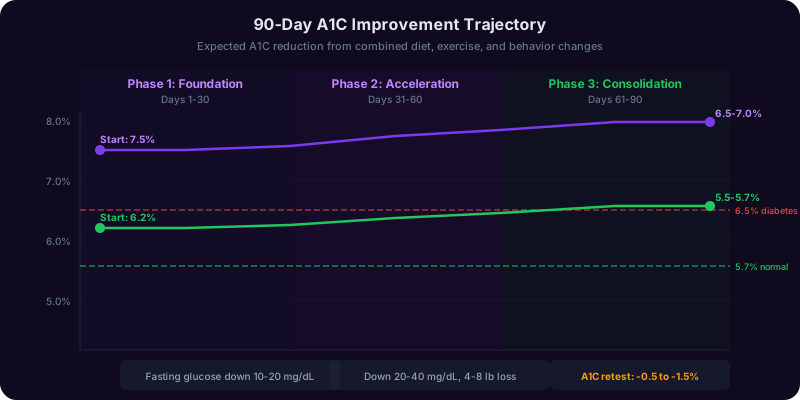
Expected results by Day 30: Fasting blood glucose should begin to decrease by 10-20 mg/dL. A1C changes will not yet be visible on a test because A1C reflects a 3-month average, but the daily glucose improvements are building toward a lower number.
Phase 2: Acceleration (Days 31-60)
The second month adds structured exercise, more aggressive dietary optimization, and begins to show early metabolic improvements on daily glucose readings. Try our AI workout planner for step-by-step help.
Weeks 5-6: Add Structured Exercise
- Begin a formal exercise program: 150 minutes per week of moderate-intensity aerobic activity (brisk walking, cycling, swimming), divided into at least 3 sessions
- Add 2 sessions per week of resistance training (bodyweight exercises, resistance bands, or weights), targeting all major muscle groups. Start with 1-2 sets of 10-12 repetitions per exercise.
- Continue post-meal walks on non-exercise days
Weeks 7-8: Optimize Meal Composition
- Implement the ADA Plate Method at every meal: half plate non-starchy vegetables, quarter plate lean protein, quarter plate complex carbohydrates
- Begin eating vegetables and protein before carbohydrates at meals (the food order effect, shown to reduce post-meal glucose by 35-40%)
- Increase total fiber intake to at least 25 grams per day (track with food diary or Nutrition Copilot)
- If you have not already, begin daily glucose monitoring (fingerstick or CGM) to see real-time effects of dietary changes
Expected results by Day 60: Fasting blood glucose should be 20-40 mg/dL lower than baseline. Post-meal glucose spikes should be noticeably reduced. If you weigh yourself, 4-8 pounds of weight loss is typical. Daily glucose averages should be trending lower, which will translate to A1C improvement when retested.
Phase 3: Consolidation (Days 61-90)
The third month locks in habits, fine-tunes the approach based on glucose data, and culminates in a repeat A1C test.
Weeks 9-10: Fine-Tune Based on Data
- Review your glucose data (fingerstick log or CGM reports) to identify which meals or situations still cause high glucose spikes
- Make targeted substitutions: if a particular meal consistently spikes your glucose above 180 mg/dL, reduce its carbohydrate content by 15-20g or add more fiber, fat, or protein to slow absorption
- If weight loss has stalled, recalculate calorie needs (your body's requirements decrease as you lose weight)
- Increase exercise intensity or duration by 10-15% if you have been consistent and feel ready
Weeks 11-12: Consolidate and Retest
- Maintain all established habits without adding new changes. Consistency is more important than perfection during this phase.
- Schedule a laboratory A1C test for Day 85-90. Inform your doctor about the lifestyle changes you have made so they can evaluate results in context.
- Continue daily glucose monitoring through the retest to maintain accountability
Expected results at Day 90: Based on the combined evidence from the DPP, DARE trial, and dietary intervention studies, a realistic A1C reduction for someone who follows this plan consistently is 0.5-1.5 percentage points. Someone starting at an A1C of 7.5% might reach 6.5-7.0%. Someone at 6.2% (prediabetes) might reach 5.5-5.7% (normal range). Individual results vary based on starting A1C, genetic factors, medication use, and adherence.
Summary Table: 90-Day Plan at a Glance
| Phase | Timeframe | Key Actions | Expected Impact |
| Foundation | Days 1-30 | Baseline testing, eliminate sugary drinks and refined carbs, post-meal walks, add legumes | Fasting glucose down 10-20 mg/dL |
| Acceleration | Days 31-60 | 150 min/week aerobic exercise, resistance training 2x/week, ADA Plate Method, food order strategy, 25g+ fiber daily | Fasting glucose down 20-40 mg/dL, 4-8 lb weight loss |
| Consolidation | Days 61-90 | Data-driven fine-tuning, targeted meal adjustments, maintain consistency, A1C retest | A1C reduction of 0.5-1.5 percentage points |
This plan works because it stacks interventions that have independent, additive effects on blood sugar. Diet changes alone can reduce A1C by 0.5-1.0%, exercise adds another 0.3-0.7%, and weight loss contributes approximately 0.1% per 2.2 pounds lost. When combined, the effects are greater than any single intervention.
If your A1C retest at Day 90 shows that you have not reached your target, do not be discouraged. Discuss the results with your doctor: medication may be appropriate to supplement your lifestyle changes, and the data you have collected during the 90 days will help your doctor choose the right medication and dose. The Health Copilot can help you prepare for that conversation, and the Medication Copilot can help you understand any medications that are prescribed.
For ongoing support with your A1C management, explore the full suite of health domain tools available on Copilotly, including personalized nutrition planning, exercise programming, lab result interpretation, and medication guidance.
This 90-day plan is educational and does not replace the advice of your physician or diabetes care team. If you take insulin or sulfonylureas, medication doses may need to be adjusted as your blood sugar improves to prevent hypoglycemia. Always coordinate lifestyle changes with your prescriber.
Frequently Asked Questions
Recommended Copilots
Recommended Copilots
Ask questions about your A1C results and get guidance on next steps for blood sugar management
Try Free →Upload your lab panel to understand your A1C alongside glucose, lipids, and other metabolic markers
Try Free →Build a personalized low-glycemic meal plan with carb counting and fiber tracking to lower A1C
Try Free →Understand diabetes medications, compare options like metformin vs. GLP-1s, and check drug interactions
Try Free →Design a blood-sugar-optimized exercise program combining aerobic and resistance training
Try Free →Continue Exploring
Related Scenarios
For You
How It Works
Related Articles
Get Answers From the Health Copilot
Use the Health Copilot to understand your A1C results, build a low-glycemic meal plan with the Nutrition Copilot, design a blood-sugar-lowering exercise program with the Fitness Copilot, and compare diabetes medication options with the Medication Copilot.