
The Diabetes Epidemic: Why Early Detection Matters
Diabetes is one of the most widespread chronic diseases in the world, and the numbers are staggering. In the United States alone, 38.4 million people (11.6% of the population) have diabetes. An additional 97.6 million adults (38% of the adult population) have prediabetes, a condition where blood sugar levels are elevated but not yet high enough for a diabetes diagnosis.
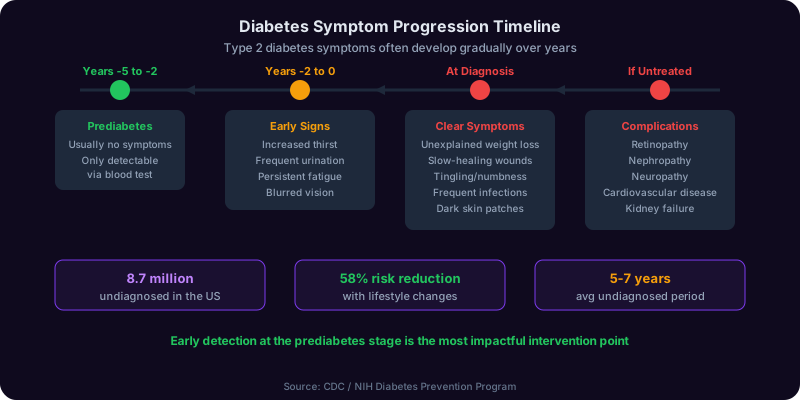
Here is the alarming part: approximately 8.7 million Americans with diabetes are undiagnosed. They have the disease but do not know it. For Type 2 diabetes, which accounts for 90 to 95% of all cases, symptoms develop so gradually that many people live with it for years before being diagnosed. By the time they find out, damage to the eyes, kidneys, nerves, and blood vessels may already be underway.
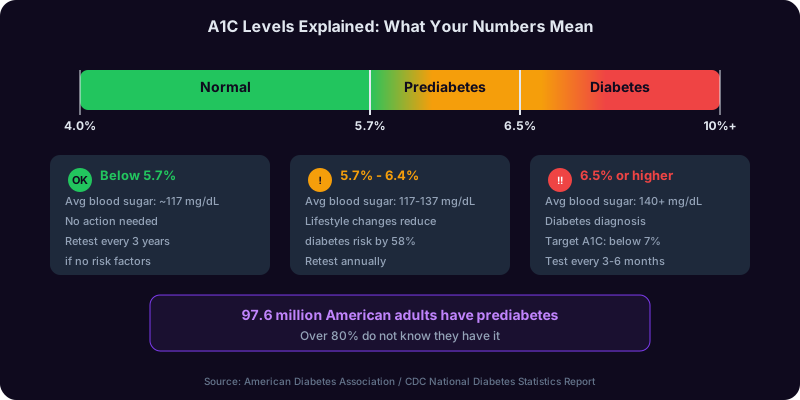
Early detection changes outcomes dramatically. People diagnosed with prediabetes who make lifestyle changes (losing 5 to 7% of body weight and exercising 150 minutes per week) reduce their risk of developing Type 2 diabetes by 58%, according to the NIH Diabetes Prevention Program. That number rises to 71% for adults over 60. Even after a Type 2 diabetes diagnosis, early and aggressive management can prevent or delay most serious complications.
This guide will help you recognize the early warning signs so you can get tested at the right time and take action before complications develop.
The Health Copilot can help you assess your personal risk factors and determine whether you should be screened for diabetes.
This is general health information, not medical advice. Always consult a healthcare professional for diagnosis and treatment specific to your situation.
Type 1 vs. Type 2 Diabetes: Key Differences
Understanding which type of diabetes you may be dealing with is important because the causes, onset patterns, and treatments are fundamentally different.
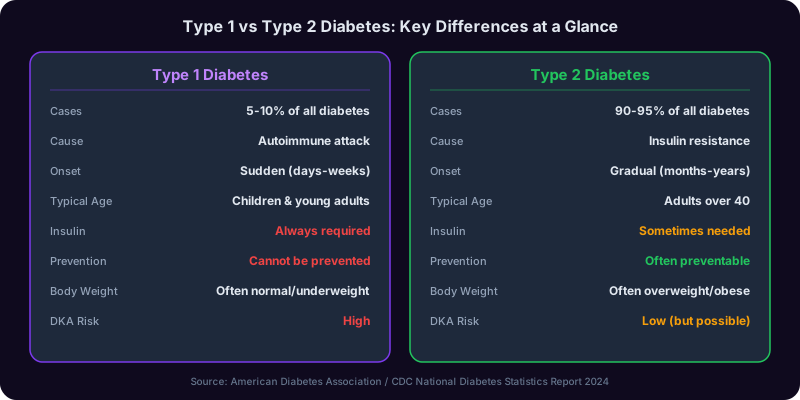
Type 1 diabetes is an autoimmune condition where the immune system attacks and destroys the beta cells in the pancreas that produce insulin. Without insulin, glucose cannot enter cells, and blood sugar rises dangerously. Type 1 symptoms tend to appear suddenly and can escalate to a life-threatening emergency called diabetic ketoacidosis (DKA) within days.
Type 2 diabetes develops when the body becomes resistant to insulin or when the pancreas cannot produce enough insulin to overcome the resistance. It is strongly linked to genetics, obesity, physical inactivity, and aging. Symptoms develop so gradually that many people attribute them to getting older or being busy.
There is also gestational diabetes, which develops during pregnancy in about 2 to 10% of pregnancies. It usually resolves after delivery but significantly increases the mother's lifetime risk of developing Type 2 diabetes (up to 50% within 5 to 10 years).
10 Early Warning Signs of Diabetes
These symptoms can appear in both Type 1 and Type 2 diabetes, though they tend to be more sudden and severe in Type 1. In Type 2, they often develop gradually and may be mild enough to overlook. If you are experiencing several of these symptoms, schedule a blood test with your doctor.
1. Frequent urination (polyuria). When blood sugar is high, your kidneys work overtime to filter and absorb the excess glucose. When they cannot keep up, the excess sugar is excreted in your urine, pulling fluids from your tissues. This leads to more frequent urination, especially at night. If you are waking up multiple times per night to urinate and this is new for you, it is worth getting your blood sugar checked.
2. Excessive thirst (polydipsia). Frequent urination causes dehydration, which triggers intense thirst. If you are drinking far more water than usual and still feeling thirsty, this is a classic early sign of elevated blood sugar.
3. Unexplained weight loss. When your body cannot use glucose for energy (because of insufficient insulin or insulin resistance), it starts burning fat and muscle for fuel. Losing 10 to 20 pounds without trying, especially over a period of a few weeks to months, is a significant red flag. This is more common in Type 1 but can occur in Type 2.
4. Increased hunger (polyphagia). Without enough insulin to move glucose into your cells, your muscles and organs are starved for energy. This triggers intense hunger, even if you have recently eaten. The combination of increased hunger with weight loss is especially concerning.
5. Fatigue. When glucose cannot enter your cells efficiently, you feel tired and depleted regardless of how much you eat or sleep. Persistent fatigue that does not improve with rest is one of the most commonly reported early symptoms of Type 2 diabetes.
6. Blurred vision. High blood sugar causes the lens of your eye to swell, changing your ability to focus. This can cause blurry vision that comes and goes. It is usually reversible once blood sugar is brought under control, but prolonged high blood sugar can cause permanent damage to the blood vessels in the retina (diabetic retinopathy).
7. Slow-healing cuts and wounds. Elevated blood sugar impairs blood flow and damages nerves, both of which slow the body's healing process. If you notice that minor cuts, scrapes, or bruises take much longer to heal than they used to, this could indicate chronically elevated blood sugar.
8. Tingling or numbness in hands and feet. High blood sugar damages nerves, particularly in the extremities. This is called diabetic neuropathy and often starts as tingling, numbness, or a "pins and needles" sensation in the fingers or toes. About 50% of people with diabetes develop some form of neuropathy.
9. Frequent infections. Elevated blood sugar weakens the immune system. People with undiagnosed diabetes are more prone to urinary tract infections, yeast infections, skin infections, and gum disease. Recurrent infections, especially yeast infections in women, should prompt a blood sugar check.
10. Dark patches of skin (acanthosis nigricans). Velvety, darkened patches of skin, typically in the folds of the neck, armpits, or groin, are a sign of insulin resistance. This condition, called acanthosis nigricans, often appears before a diabetes diagnosis and is one of the most visible early indicators, especially in people with darker skin tones.

Get Answers From the Health Copilot
Describe your symptoms and risk factors to the Health Copilot for personalized guidance on whether you should be tested and what to ask your doctor.
Risk Factors: Who Should Get Tested
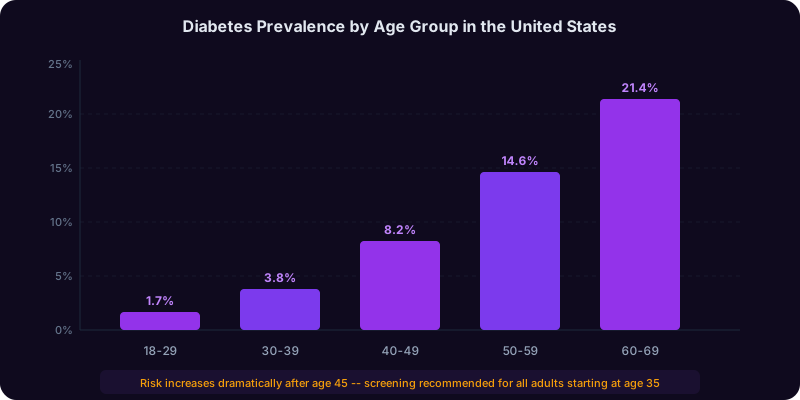
The American Diabetes Association recommends screening for all adults starting at age 35, with repeat testing every 3 years if results are normal. However, you should be tested earlier and more frequently if you have any of the following risk factors:
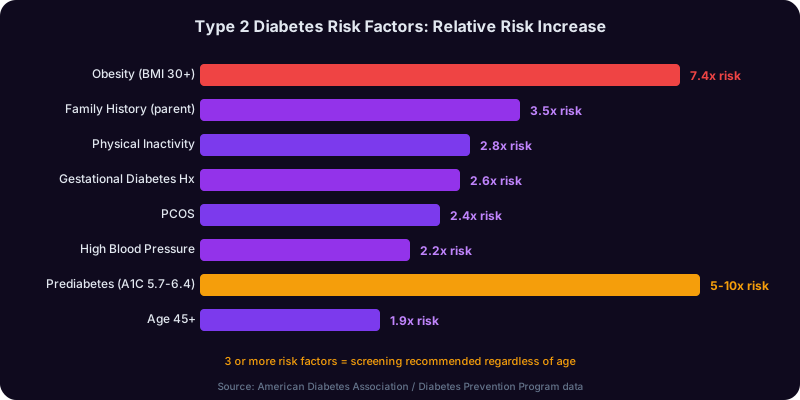
- Overweight or obese (BMI of 25 or higher, or 23 or higher for Asian Americans)
- Family history: A parent or sibling with Type 2 diabetes
- Race/ethnicity: African American, Hispanic/Latino, Native American, Asian American, and Pacific Islander populations have higher rates of Type 2 diabetes
- Physical inactivity: Less than 150 minutes of moderate activity per week
- History of gestational diabetes
- Polycystic ovary syndrome (PCOS)
- High blood pressure (140/90 mmHg or higher)
- Abnormal cholesterol: HDL below 35 mg/dL or triglycerides above 250 mg/dL
- Prediabetes: A previous A1C of 5.7 to 6.4% or fasting glucose of 100 to 125 mg/dL
- History of cardiovascular disease
If you have three or more of these risk factors, talk to your doctor about getting screened regardless of your age. For children and adolescents, testing is recommended if they are overweight and have two or more additional risk factors.
High blood pressure and abnormal cholesterol are closely linked to diabetes risk. Learn how to manage these related conditions in our guides on lowering blood pressure naturally and lowering cholesterol naturally.
The Health Copilot can help you evaluate your personal risk profile based on your specific combination of factors.
Diagnostic Tests and What the Numbers Mean
Three main blood tests are used to diagnose diabetes. Understanding these numbers empowers you to interpret your own results and have informed conversations with your doctor.
Hemoglobin A1C (HbA1c)
The A1C test measures your average blood sugar over the past 2 to 3 months. It does not require fasting and can be drawn at any time of day, making it the most convenient screening test. For a deeper dive into A1C and what your specific numbers mean, see our complete guide to understanding A1C levels.
Fasting Plasma Glucose (FPG)
This test measures blood sugar after an overnight fast of at least 8 hours.
| Fasting Glucose | What It Means |
| Below 100 mg/dL | Normal |
| 100 to 125 mg/dL | Prediabetes |
| 126 mg/dL or higher (on two separate tests) | Diabetes |
Oral Glucose Tolerance Test (OGTT)
This test measures blood sugar 2 hours after drinking a sugary solution. It is more sensitive than the FPG but less commonly used because it takes longer.
| 2-Hour Glucose | What It Means |
| Below 140 mg/dL | Normal |
| 140 to 199 mg/dL | Prediabetes |
| 200 mg/dL or higher | Diabetes |
Important: A single abnormal test result is not enough for a diagnosis (except in cases with clear symptoms plus a random glucose above 200 mg/dL). The test must be repeated on a separate day to confirm. If your A1C and fasting glucose give conflicting results, the test that indicates diabetes should be repeated.
For a comprehensive overview of how to interpret all your blood work, including glucose and A1C, see our guide on how to read your blood test results.
The Lab Results Copilot can help you interpret your specific test results and understand what follow-up your doctor is likely to recommend.
Prediabetes: The Window of Opportunity
Prediabetes is the stage where blood sugar is elevated but not yet high enough for a diabetes diagnosis. It affects 97.6 million American adults, and more than 80% of them do not know they have it. Prediabetes is not a diagnosis to panic about. It is a warning and an opportunity.
Without intervention, approximately 15 to 30% of people with prediabetes will develop Type 2 diabetes within 5 years. But with the right changes, that progression can be stopped or even reversed.
The Diabetes Prevention Program (DPP), a landmark clinical trial funded by the National Institutes of Health, demonstrated that lifestyle interventions reduce the risk of developing Type 2 diabetes by 58%. The two key interventions were:
- Modest weight loss: Losing just 5 to 7% of body weight (10 to 14 pounds for someone weighing 200 pounds)
- Regular physical activity: 150 minutes per week of moderate activity (such as brisk walking)
These lifestyle changes were more effective than metformin, the most commonly prescribed diabetes medication, which reduced risk by 31%. The lifestyle intervention group maintained significant benefits for 15+ years in follow-up studies.
Dietary changes that help: Reducing refined carbohydrates and added sugars, increasing fiber intake (25 to 30 grams per day), eating more whole grains, vegetables, lean protein, and healthy fats, and limiting sugary beverages (a single can of regular soda contains 39 grams of sugar). The Mediterranean diet and DASH diet have both been shown to improve insulin sensitivity.
The Nutrition Copilot can help you build a meal plan designed to improve insulin sensitivity and support gradual weight loss.
What Happens After a Diabetes Diagnosis
A diabetes diagnosis can feel overwhelming, but the condition is highly manageable with the right approach. Here is what to expect in the first weeks and months after diagnosis.
Your doctor will likely order additional tests: A comprehensive metabolic panel to check kidney function, a lipid panel to assess cardiovascular risk, a urine test for albumin (an early sign of kidney damage), and an eye exam to check for diabetic retinopathy. These tests establish your baseline and identify any existing complications.
Treatment for Type 2 diabetes usually starts with lifestyle changes and metformin. Metformin is the first-line medication for Type 2 diabetes. It costs as little as $4 per month with insurance or through discount programs, has been used safely for over 60 years, and works by reducing glucose production in the liver and improving insulin sensitivity. Side effects (mostly GI-related) are common initially but usually resolve within a few weeks.
Blood sugar monitoring: Your doctor may ask you to check your blood sugar at home using a glucometer. Target ranges are typically 80 to 130 mg/dL before meals and below 180 mg/dL two hours after meals. Continuous glucose monitors (CGMs) like the Dexterity G7 or Abbott FreeStyle Libre 3 are increasingly available and can provide real-time data without finger sticks. Some insurance plans now cover CGMs for Type 2 diabetes.
A1C targets: Most adults with Type 2 diabetes aim for an A1C below 7%. Stricter targets (below 6.5%) may be appropriate for newly diagnosed patients without complications. Less strict targets (below 8%) may be appropriate for older adults or those with other serious health conditions.
Regular follow-up: Expect to see your doctor every 3 to 6 months initially, with A1C testing at each visit. Annual screenings for eye, kidney, and nerve complications are standard. Foot exams should happen at every visit.
The Chronic Health Copilot can help you track your blood sugar readings, A1C trends, and medication schedule.
Preventing Diabetes Complications
The serious complications of diabetes are not inevitable. They develop over years of poorly controlled blood sugar, and early, consistent management dramatically reduces the risk. Here are the major complications and how to prevent them.
Cardiovascular disease: People with diabetes are 2 to 4 times more likely to develop heart disease or have a stroke, according to the CDC. Prevention: maintain blood pressure below 130/80 mmHg, keep LDL cholesterol below 100 mg/dL (or below 70 if you have additional risk factors), take a statin if recommended, do not smoke, and exercise regularly.
Kidney disease (diabetic nephropathy): Diabetes is the leading cause of kidney failure in the United States. About 1 in 3 adults with diabetes has chronic kidney disease. Prevention: control blood sugar and blood pressure, get annual urine albumin screening, and consider an SGLT2 inhibitor medication (which has been shown to slow kidney disease progression).
Eye disease (diabetic retinopathy): Diabetes is the leading cause of new blindness in adults aged 20 to 74. Prevention: get an annual dilated eye exam, maintain A1C below 7%, control blood pressure, and seek immediate care for any sudden vision changes.
Nerve damage (diabetic neuropathy): Affects up to 50% of people with diabetes. Starts as tingling or numbness in the feet and can progress to pain, loss of sensation, and foot ulcers. Prevention: keep A1C below 7%, inspect your feet daily, wear properly fitting shoes, and report any new numbness or tingling to your doctor immediately.
The bottom line: Studies consistently show that keeping A1C below 7%, blood pressure below 130/80, and LDL below 100 reduces the risk of all major diabetes complications by 40 to 60%. These are achievable targets for most people with proper management.
The Chronic Health Copilot can help you track all of your key metrics and stay on top of recommended screenings.
This is general health information, not medical advice. Always consult a healthcare professional for diagnosis and treatment specific to your situation.
Frequently Asked Questions
Recommended Copilots
Recommended Copilots
Assess your diabetes risk factors and get guidance on when to see a doctor
Try Free →Track blood sugar readings, A1C trends, and medication schedules over time
Try Free →Interpret your A1C, fasting glucose, and other diabetes-related lab results
Try Free →Continue Exploring
Related Scenarios
How It Works
Related Articles
Get Answers From the Health Copilot
Describe your symptoms and risk factors to the Health Copilot for personalized guidance on whether you should be tested and what to ask your doctor.