

Common Rash Types and What They Look Like
Before you can decide whether a rash needs medical attention, it helps to know the most common types and their typical presentations.
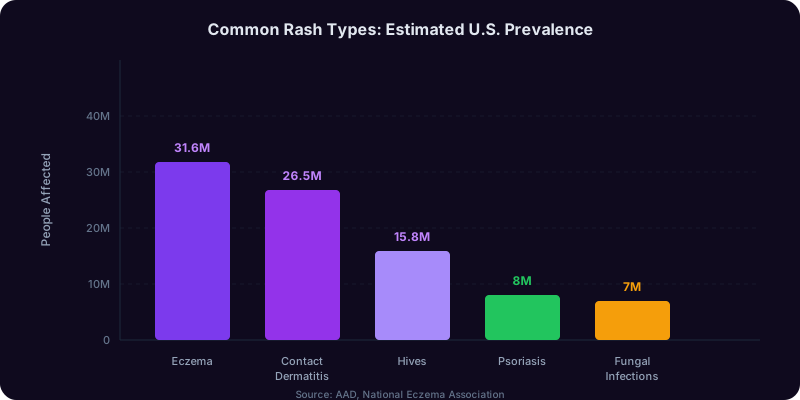
Contact dermatitis is the most frequent culprit. It appears as red, itchy, sometimes blistered skin at the exact site where an irritant or allergen touched you. Common triggers include poison ivy, nickel in jewelry, latex, fragrances in soaps and detergents, and adhesive bandages. The rash usually appears within 24-72 hours of exposure and is limited to the area of contact.
Eczema (atopic dermatitis) causes dry, itchy, inflamed patches that often appear in the creases of elbows, behind knees, and on the face and hands. It affects about 31.6 million Americans according to the National Eczema Association, and tends to run in families with allergies and asthma. Eczema is chronic and flares with stress, dry weather, certain fabrics, and irritants.
Hives (urticaria) are raised, itchy welts that can appear anywhere on the body. They are typically pale or skin-colored with red borders and range from pea-sized to dinner-plate-sized. Individual hives come and go within 24 hours, but new ones may keep appearing. They are almost always related to an allergic reaction, infection, or stress.
Fungal rashes (ringworm, jock itch, athlete's foot) create circular, red, scaly patches with clearer skin in the center. Despite the name, ringworm is not caused by a worm. It is a fungal infection that thrives in warm, moist environments, as described by the CDC's ringworm overview. Fungal rashes typically have a well-defined border and spread outward over time.
Heat rash (miliaria) appears as clusters of small red bumps or clear blisters, usually in areas where skin folds trap sweat: neck, chest, groin, and armpits. It is most common in hot, humid weather and usually resolves on its own once you cool down.
Psoriasis produces thick, silvery-white scaly patches on red or inflamed skin. It most commonly affects elbows, knees, scalp, and lower back. Psoriasis is an autoimmune condition, not an infection, and it is not contagious. About 8 million Americans have psoriasis, according to the American Academy of Dermatology.
The Health Copilot can help you narrow down what type of rash you may be dealing with based on its appearance, location, and accompanying symptoms.
This is general health information, not medical advice. Always consult a healthcare professional for diagnosis and treatment.
Emergency Signs: When to Go to the ER Now
Most rashes are not emergencies, but some are. These warning signs mean you should seek immediate medical care at an emergency room or call 911:
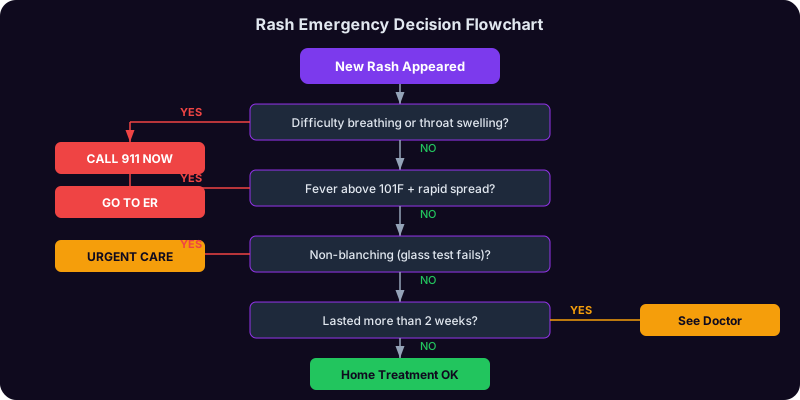
- Rash with difficulty breathing, throat tightness, or tongue/lip swelling. This is anaphylaxis, a life-threatening allergic reaction. Use an EpiPen if you have one and call 911 immediately. Anaphylaxis can progress from mild symptoms to airway closure in minutes.
- Rash that spreads rapidly with fever above 101 F (38.3 C). A fast-spreading rash combined with fever can indicate meningococcal meningitis (a purplish, non-blanching rash), toxic shock syndrome, or a severe drug reaction. These are all medical emergencies.
- The "glass test" fails. Press a clear glass firmly against the rash. If the rash does not fade (blanch) under pressure, it may be petechiae or purpura, which indicate bleeding under the skin. This can be a sign of meningitis, blood clotting disorders, or vasculitis. Non-blanching rashes always warrant urgent evaluation.
- Rash with blistering and skin peeling. Stevens-Johnson Syndrome (SJS) and Toxic Epidermal Necrolysis (TEN) are rare but life-threatening reactions to medications. They start as a painful rash that progresses to blistering and peeling of the skin, often affecting the mouth, eyes, and genitals. Common triggers include antibiotics (sulfonamides), anticonvulsants (carbamazepine, lamotrigine), and allopurinol. If you started a new medication in the past 1-4 weeks and develop a painful spreading rash with blisters, go to the ER.
- Target-shaped rash after a tick bite. A circular rash with a clear center ("bull's eye") after a known or suspected tick bite is the hallmark of Lyme disease. While not an ER emergency, it requires same-day medical attention because early antibiotic treatment (within 72 hours) significantly improves outcomes. The rash, called erythema migrans, appears in about 70-80% of Lyme disease cases, typically 3-30 days after the bite, as noted by the CDC Lyme disease page.
When in doubt about whether a rash is an emergency, call your doctor's nurse line or go to urgent care. It is always better to be evaluated and sent home than to wait on a rash that needed immediate treatment. For more on deciding between the ER and urgent care, see our guide on when to go to the emergency room.
Can-Wait Signs: Schedule an Appointment
Many rashes are not emergencies but still deserve medical evaluation. Schedule a doctor's appointment (within a few days to a week) if you notice any of the following:
- A rash that has not improved after 2 weeks of home treatment. Most minor rashes resolve within 7-10 days. If yours is persisting despite appropriate care (moisturizing, avoiding irritants, OTC treatments), it needs professional assessment. Persistent rashes can indicate conditions like eczema, psoriasis, or fungal infections that require prescription treatment.
- A rash that keeps coming back. Recurrent rashes in the same area often indicate an unidentified allergen or irritant in your environment, a chronic skin condition, or an underlying health issue. Your doctor may order blood work (see our blood test results guide) or refer you for patch testing to identify contact allergies.
- A rash accompanied by joint pain. Several autoimmune conditions cause both skin rashes and joint inflammation, including psoriatic arthritis, lupus, and dermatomyositis. A butterfly-shaped rash across the nose and cheeks combined with joint pain is a classic sign of lupus.
- A rash on the face or genitals. These areas are sensitive and more prone to scarring or complications. Facial rashes can also be more psychologically distressing. A rash around the eyes can affect vision if it involves the eyelid or periorbital area.
- A rash with signs of infection. Warmth, increasing redness, swelling, pain, pus, or red streaks radiating from the rash all suggest bacterial infection. Infected rashes can progress to cellulitis, which requires oral or IV antibiotics. If you see red streaking or rapid expansion, move this to urgent rather than routine.
- A new mole or changing skin spot. While not technically a rash, any mole that is asymmetric, has irregular borders, multiple colors, is larger than 6mm, or is evolving in size, shape, or color should be evaluated. Use the ABCDE criteria as your guide and see a dermatologist within 2-4 weeks.
While you wait for your appointment, take photos of the rash daily. Rashes can change appearance between the time you book the appointment and the time you see the doctor. Photos give your provider critical information about how the rash has progressed. Include a ruler or coin for scale. The Dermatology Copilot can help you document symptoms and prepare questions for your visit.

Get Answers From the Health Copilot
Describe your rash to the Health Copilot - location, appearance, timeline, other symptoms - and get an informed assessment of urgency and next steps.
Home Remedies That Actually Work
For mild rashes without emergency signs, evidence-based home treatment can often resolve the issue without a doctor visit.
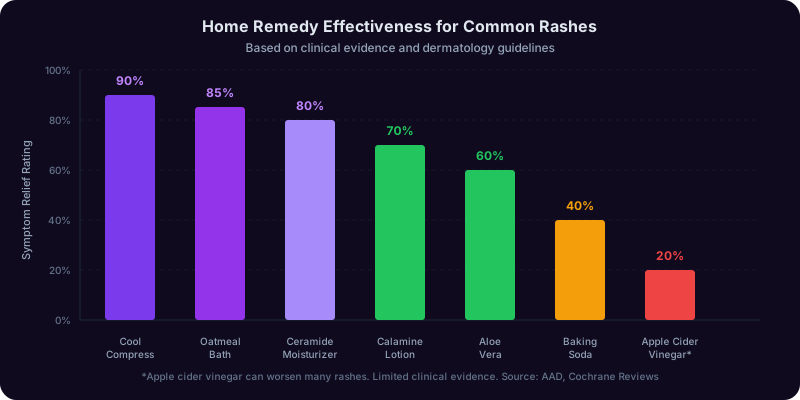
Cool compresses are the simplest and most effective first-line treatment for itchy, inflamed rashes. Soak a clean cloth in cool water, wring it out, and apply for 15-20 minutes several times daily. The cold constricts blood vessels, reducing inflammation and temporarily numbing itch receptors. Never use ice directly on a rash, as it can cause further skin damage.
Colloidal oatmeal baths have genuine scientific backing. Oatmeal contains avenanthramides, compounds with anti-inflammatory and anti-itch properties. Add 1 cup of finely ground colloidal oatmeal to a lukewarm bath and soak for 15-20 minutes. You can buy colloidal oatmeal at any pharmacy (Aveeno makes it) or grind regular oats into a fine powder in a blender. This works well for eczema, contact dermatitis, hives, and heat rash.
Fragrance-free moisturizers applied immediately after bathing help restore the skin barrier. Look for products containing ceramides (CeraVe, Cetaphil) because ceramides are the primary lipids in the skin barrier. Apply within 3 minutes of bathing while the skin is still damp to lock in moisture. For eczema, heavy ointments (like Aquaphor or plain petroleum jelly) are more effective than lotions because they create a stronger seal.
Calamine lotion is effective for contact dermatitis, poison ivy/oak, and insect bites. It contains zinc oxide, which has mild antiseptic and astringent properties. Apply a thin layer to the affected area and let it dry. Reapply as needed.
If stress is triggering your rash flares, see our guide on how to reduce anxiety naturally. Avoid scratching at all costs. Scratching damages the skin barrier, introduces bacteria, and triggers more inflammation, creating an itch-scratch cycle that makes the rash worse. Keep fingernails short. If the itch is unbearable at night, wear cotton gloves to bed. Taking an oral antihistamine (like cetirizine or diphenhydramine) before bed can reduce nighttime itching.
Eliminate potential triggers. Switch to fragrance-free laundry detergent, body wash, and lotion. Wear loose, breathable cotton clothing. Avoid hot showers (lukewarm is better for irritated skin). Remove any new products you introduced in the week before the rash appeared. The NIH's atopic dermatitis guide provides additional evidence-based recommendations for managing chronic skin conditions at home.
OTC Treatments for Rashes
Over-the-counter products can effectively treat many common rashes. Knowing which product to use for which type of rash saves you from trial-and-error and wasted money.
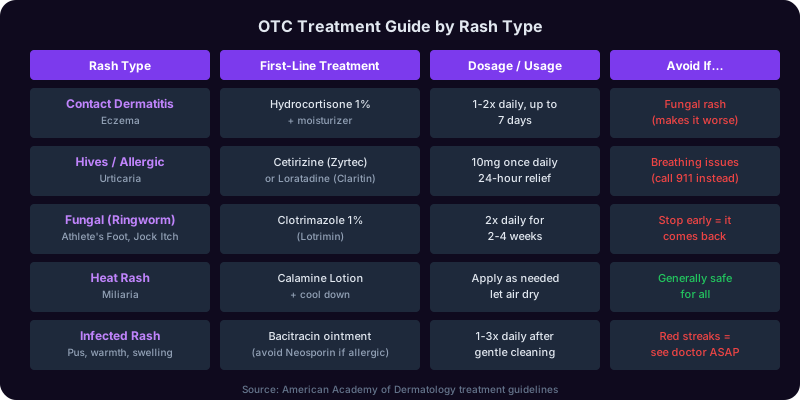
Hydrocortisone cream (1%) is the go-to OTC anti-inflammatory for itchy, red rashes. It works for eczema, contact dermatitis, insect bites, and mild allergic reactions. Apply a thin layer 1-2 times daily for up to 7 days. Do not use hydrocortisone on your face for more than a few days without medical guidance, as prolonged use can thin the skin. Do not use it on fungal rashes, as steroids can make fungal infections worse.
Oral antihistamines are essential for hives and allergic rashes. Second-generation antihistamines like cetirizine (Zyrtec, 10mg) and loratadine (Claritin, 10mg) are non-drowsy and last 24 hours. For severe itching, especially at night, first-generation diphenhydramine (Benadryl, 25-50mg) causes drowsiness but is more potent for itch relief. For chronic hives, doctors sometimes recommend doubling the standard dose of cetirizine (to 20mg daily), though you should confirm this with your provider first.
Antifungal creams are needed for ringworm, athlete's foot, jock itch, and yeast infections. Clotrimazole (Lotrimin, 1%) and miconazole (Monistat, Micatin) are effective for most fungal skin infections. Apply twice daily for 2-4 weeks, continuing for at least one week after the rash appears to have cleared. Stopping too early is the most common reason fungal rashes recur.
Zinc oxide cream creates a physical barrier that protects irritated skin from moisture and friction. It is the active ingredient in most diaper rash creams and works well for heat rash and chafing in adults too. Apply a thick layer to clean, dry skin.
Antibiotic ointment (bacitracin or Neosporin) should be used only if the rash shows signs of bacterial infection (pus, crusting, increasing redness). Apply to the affected area 1-3 times daily after cleaning gently with soap and water. Note: about 8-10% of people develop contact dermatitis from neomycin (an ingredient in Neosporin), so if the rash worsens after application, switch to plain bacitracin.
If OTC treatments have not improved your rash after one week, it is time to see a doctor for a proper diagnosis. If cost is a concern, see our guide on what to do when you can't afford a doctor and prescription-strength options. The Medication Copilot can help you understand dosing and interactions for OTC treatments.
When It Could Be an Allergic Reaction
Allergic rashes are among the most common skin complaints, and they range from mildly annoying to life-threatening. Understanding the spectrum helps you respond appropriately.
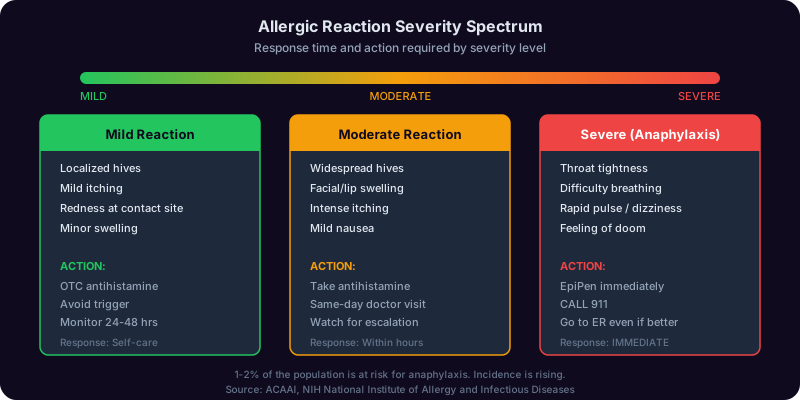
Mild allergic reactions involve localized itching, redness, and possibly hives limited to one area of the body. They typically appear within minutes to hours of exposure and respond well to antihistamines and avoidance of the trigger. Common triggers include foods (shellfish, tree nuts, eggs, milk), medications (penicillin, sulfa drugs, NSAIDs), insect stings, and environmental allergens (pollen, pet dander).
Moderate allergic reactions involve widespread hives, significant swelling (especially of the face, lips, or hands), intense itching over large areas, and mild nausea or abdominal discomfort. These warrant same-day medical evaluation. Take an antihistamine and monitor closely. If symptoms worsen or breathing becomes affected, this escalates to a severe reaction.
Severe allergic reactions (anaphylaxis) are medical emergencies. Warning signs include throat tightening, hoarse voice, difficulty breathing or swallowing, wheezing, dizziness, rapid pulse, vomiting, and a sense of impending doom. Anaphylaxis can progress to cardiovascular collapse and death within minutes. If you have an EpiPen, use it immediately (in the outer thigh) and call 911. Even if symptoms improve after using the EpiPen, you must go to the ER because a second wave of symptoms (biphasic reaction) can occur 4-12 hours later. The NIH's anaphylaxis resource provides detailed guidance on recognizing and responding to severe allergic reactions.
Drug reactions deserve special attention. A drug allergy rash typically appears 7-14 days after starting a new medication (though it can occur sooner with re-exposure). The most common culprits are antibiotics, anticonvulsants, and NSAIDs. If you develop a rash after starting a new medication, do not stop the medication without calling your prescriber, unless you are having difficulty breathing. Some drug rashes are harmless and expected (like the mild rash from amoxicillin that is not a true allergy), while others are dangerous. Your doctor needs to make that determination.
If you have had a severe allergic reaction in the past, you should carry an EpiPen at all times and wear a medical alert bracelet. About 1-2% of the population is at risk for anaphylaxis, and the incidence is rising. The Mayo Clinic details the urgency of anaphylaxis treatment. An allergist can perform skin testing and blood tests to identify your specific triggers and create an emergency action plan.
When to See a Dermatologist
Your primary care doctor can handle many rashes, but some situations warrant a specialist. Here is when to request a dermatology referral:
- A rash that has lasted more than 6 weeks. Any rash persisting beyond 6 weeks is considered chronic and often requires a dermatologist's expertise for diagnosis and management. Chronic rashes may need a skin biopsy, patch testing, or other specialized diagnostics that most primary care offices do not perform.
- A rash that has been treated with prescription medication without improvement. If your primary care doctor prescribed a steroid cream or antifungal and the rash did not respond, the initial diagnosis may be wrong. Dermatologists see skin conditions every day and can often identify conditions that generalists miss.
- Suspected psoriasis or severe eczema. Both conditions benefit from specialist management, especially if they are moderate to severe. Dermatologists have access to biologic medications (like dupilumab for eczema or adalimumab for psoriasis) that can be life-changing for patients with severe disease. These medications are typically not prescribed by primary care providers.
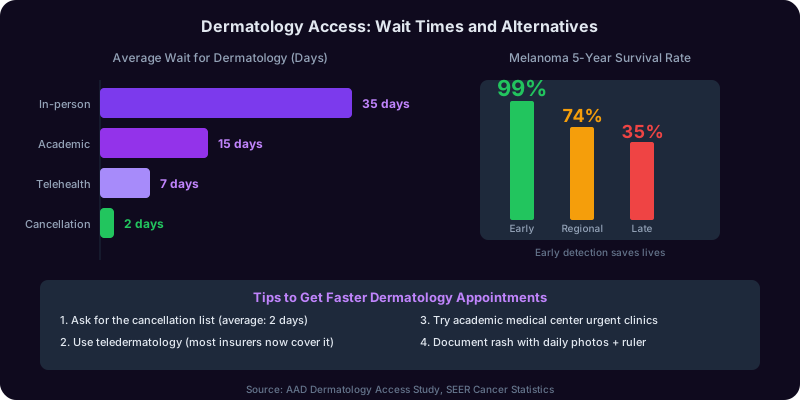
- Changing or suspicious moles. Any mole that meets the ABCDE criteria (Asymmetry, Border irregularity, Color variation, Diameter over 6mm, Evolution) should be evaluated by a dermatologist. Melanoma, the most dangerous form of skin cancer, has a 99% five-year survival rate when caught early and a 35% survival rate when caught late. Early detection saves lives, as emphasized by the Skin Cancer Foundation.
- Hair loss with scalp rash. Conditions like alopecia areata, scalp psoriasis, and scarring alopecias can cause permanent hair loss if not treated promptly. A dermatologist can perform a scalp biopsy to determine the type of hair loss and recommend appropriate treatment before scarring occurs.
The average wait time for a dermatology appointment in the United States is 35 days. If you are having difficulty getting a timely appointment, ask about cancellation lists, teledermatology options (many insurers now cover virtual dermatology visits), or urgent-access clinics at academic medical centers.
While waiting for your appointment, the Dermatology Copilot can help you document your rash history, understand potential diagnoses, and prepare targeted questions for your visit.
This is general health information, not medical advice. Always consult a healthcare professional for diagnosis and treatment of skin conditions.
For more on related health topics, read our guides on when to go to the emergency room, common causes of stomach pain, and how to reduce anxiety naturally.
Frequently Asked Questions
Recommended Copilots
Recommended Copilots
Describe your symptoms and get an initial assessment of what to do next
Try Free →Get AI guidance specifically on skin conditions, rashes, and when to see a dermatologist
Try Free →Concerned about a rash on your child? Get pediatric-specific guidance
Try Free →Continue Exploring
For You
How It Works
Related Articles
Get Answers From the Health Copilot
Describe your rash to the Health Copilot - location, appearance, timeline, other symptoms - and get an informed assessment of urgency and next steps.