
Flu vs Cold vs COVID: Side-by-Side Symptom Comparison
The flu, common cold, and COVID-19 share many symptoms, which makes telling them apart based on symptoms alone genuinely difficult. However, certain patterns can help you narrow it down before you get tested. Here is a detailed comparison based on CDC guidance updated through 2026:
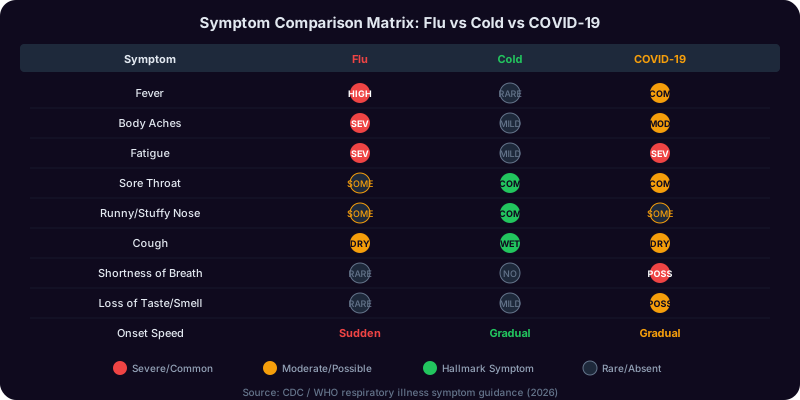
| Symptom | Flu | Cold | COVID-19 |
| Onset | Sudden (within hours) | Gradual (over 1-3 days) | Gradual (2-14 day incubation) |
| Fever | Common, often 100-104F, lasts 3-4 days | Rare in adults | Common, variable |
| Body aches | Severe, widespread | Mild | Moderate to severe |
| Chills | Very common | Uncommon | Common |
| Fatigue | Severe, can last 2-3 weeks | Mild | Moderate to severe |
| Headache | Common and intense | Uncommon | Common |
| Cough | Dry cough, common | Mild to moderate, often productive | Dry cough, common |
| Sore throat | Sometimes | Very common (often first symptom) | Common |
| Runny/stuffy nose | Sometimes | Very common | Sometimes |
| Sneezing | Uncommon | Very common | Uncommon |
| Loss of taste/smell | Rare | Mild (from congestion) | Less common with newer variants but still possible |
| Shortness of breath | Uncommon | No | Possible, especially in severe cases |
| Diarrhea/vomiting | More common in children | No | Sometimes |
The single biggest differentiator is speed of onset. If you felt fine in the morning and are flat on your back with a 102-degree fever by evening, that pattern is classic flu. Colds creep in gradually, usually starting with a scratchy throat and progressing to congestion over 2-3 days. COVID onset is also gradual but tends to start with fatigue, body aches, or a sore throat before respiratory symptoms develop.
The only way to know for certain is testing. Combination flu/COVID rapid tests are widely available at pharmacies in 2026 and can give results in 15-30 minutes. If your symptoms are mild and you are not in a high-risk group, home testing is reasonable. If symptoms are severe, visit your doctor or urgent care for a professional evaluation. The Health Copilot can help you assess your symptoms and decide whether you need testing, a doctor visit, or home care.
This is general health information, not medical advice. Always consult a healthcare professional for diagnosis.
Flu Symptoms in Detail: What Influenza Actually Feels Like
Influenza is caused by influenza A or B viruses and follows a predictable pattern. Understanding this pattern helps you recognize the flu early, which matters because antiviral treatment is most effective when started within 48 hours of symptom onset.
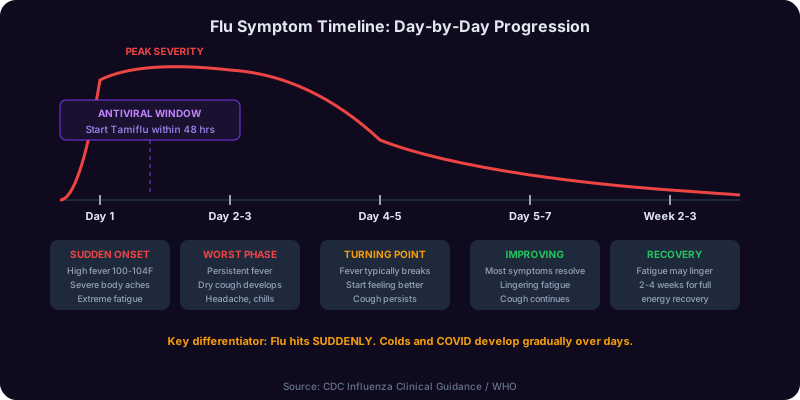
Day 1: Symptoms hit suddenly. Most people can pinpoint the hour they started feeling sick. You go from normal to miserable fast. The first symptoms are typically a high fever (100-104F in adults, sometimes higher in children), intense body aches that make your muscles feel like they have been through a workout, and extreme fatigue. Many people describe feeling like they "got hit by a truck."
Days 2-3: Fever persists. Cough develops, usually dry and persistent. Headache is common. Sore throat and nasal congestion may appear but are usually secondary to the systemic symptoms (fever, aches, fatigue). Appetite is usually very low. This is when most people feel the worst.
Days 4-5: Fever typically breaks by day 4-5 in adults who do not develop complications. Once fever resolves, you start to feel measurably better, though fatigue and cough persist.
Days 5-10: Most acute symptoms resolve, but a lingering cough can last 1-2 weeks. Fatigue and weakness can persist for 2-3 weeks after the acute illness, which is one of the flu's most underestimated features. Returning to exercise or demanding work too soon can prolong recovery.
In children: Flu symptoms in kids often include higher fevers (up to 106F), more gastrointestinal symptoms (vomiting and diarrhea), ear pain, and sometimes febrile seizures in young children. Children also tend to be contagious for longer than adults.
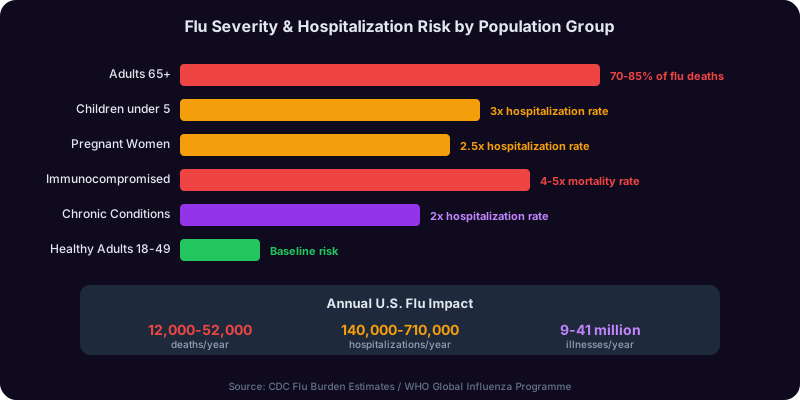
The flu kills an estimated 12,000-52,000 Americans annually depending on the severity of the season, according to CDC data. Most flu deaths occur in adults over 65, young children under 5, pregnant women, and people with chronic conditions like asthma, diabetes (see our guide on early diabetes symptoms), or heart disease. If you or someone you care for falls into a high-risk group, antiviral treatment within 48 hours of symptom onset is strongly recommended. The Medication Copilot can explain antiviral options and help you understand potential interactions with other medications.
This is general health information, not medical advice. Always consult a healthcare professional.
When to See a Doctor: Warning Signs That Require Medical Attention
Most healthy adults can recover from the flu, a cold, or mild COVID at home with rest and over-the-counter treatments. However, certain symptoms indicate that the illness is becoming dangerous and requires prompt medical evaluation. Knowing these warning signs can be life-saving. Harvard Health emphasizes that early recognition of complications is critical for high-risk patients.
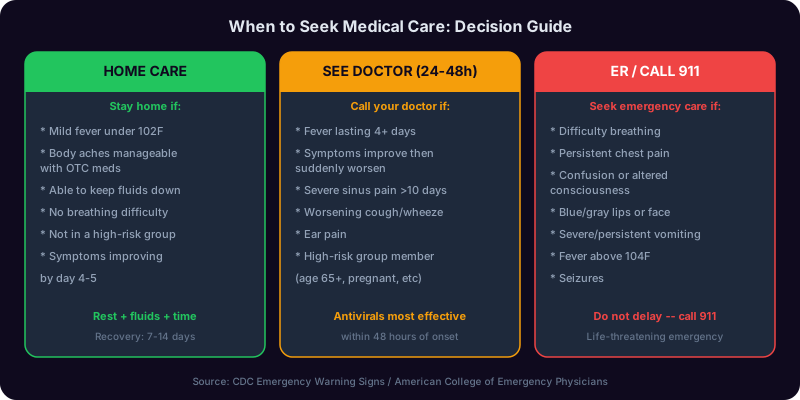
Seek immediate medical care (ER or call 911) if you experience:
- Difficulty breathing or shortness of breath at rest or with minimal exertion
- Persistent chest pain or pressure
- Confusion, difficulty waking, or altered consciousness
- Bluish or gray lips, face, or nail beds (sign of low oxygen)
- Severe or persistent vomiting that prevents keeping fluids down
- Seizures
- Fever above 104F that does not respond to fever-reducing medication
See a doctor within 24-48 hours if you experience:
- Fever lasting more than 4 days (could indicate bacterial superinfection)
- Symptoms that improve then suddenly worsen (suggests secondary infection like pneumonia)
- Severe sinus pain or thick green/yellow nasal discharge lasting more than 10 days (possible bacterial sinusitis)
- Ear pain (possible ear infection, especially in children)
- Wheezing or worsening cough in someone with asthma or COPD
High-risk groups should contact their doctor early: If you are over 65, under 5, pregnant, or have a chronic medical condition (asthma, COPD, heart disease, diabetes, weakened immune system, kidney disease, liver disease, or extreme obesity with BMI over 40), contact your doctor at the onset of flu or COVID symptoms. You are eligible for antiviral treatment that works best when started within 48 hours. Do not wait to see if symptoms worsen.
A practical concern for many people is whether their symptoms warrant the cost of a doctor visit. The Health Copilot can help you evaluate your specific symptoms against these warning signs and determine the right level of care. For questions about urgent care versus the ER and what each costs, see our guide on when to go to the emergency room. The symptom checker tool can also walk you through a structured assessment of your situation.
This is general health information, not medical advice. If you are experiencing a medical emergency, call 911 immediately.

Get Answers From the Health Copilot
Use the Health Copilot to assess your symptoms, understand your treatment options, and decide whether you need a doctor visit. The Medication Copilot can explain antiviral treatments and check for drug interactions.
Treatment Options: What Actually Works for Flu, Cold, and COVID
Treatment differs significantly depending on which illness you have. Using the wrong treatment wastes money and delays recovery. Here is what the evidence supports for each:
Flu Treatment
Antivirals (prescription): Oseltamivir (Tamiflu) is the most widely prescribed flu antiviral. It reduces symptom duration by about 1-2 days and, more importantly, reduces the risk of serious complications like pneumonia by 44% in high-risk patients. It must be started within 48 hours of symptom onset to be effective. Baloxavir (Xofluza) is a newer option that requires only a single dose instead of the 5-day course required for Tamiflu. Both are prescription-only.
Over-the-counter symptom relief: Acetaminophen (Tylenol) or ibuprofen (Advil, Motrin) for fever and body aches. Dextromethorphan for cough suppression. Pseudoephedrine or phenylephrine for congestion. Stay hydrated with water, broth, and electrolyte drinks. Rest is not optional -- your body needs energy to fight the virus.
What does NOT work for flu: Antibiotics are useless against the flu because it is a virus. Taking antibiotics for viral illnesses contributes to antibiotic resistance and can cause unnecessary side effects. Vitamin C megadoses and zinc lozenges have at best marginal evidence for reducing cold duration, and virtually no evidence for flu specifically. If you are managing a chronic condition alongside flu symptoms, understanding your baseline health is important -- see our guide on reading your blood test results for help interpreting your lab work.
Cold Treatment
There is no cure or antiviral for the common cold. Treatment is purely symptomatic. Saline nasal spray or a neti pot for congestion. Honey (1-2 teaspoons) is as effective as OTC cough suppressants in clinical trials and is safe for adults and children over 1 year. Throat lozenges or warm salt water gargling for sore throat. Rest and fluids. Most colds resolve in 7-10 days.
COVID-19 Treatment
Paxlovid (nirmatrelvir/ritonavir) remains the primary antiviral for COVID in 2026, particularly for high-risk individuals. Like flu antivirals, it is most effective when started within 5 days of symptom onset. It reduces hospitalization and death by approximately 89% in high-risk unvaccinated adults. Availability and eligibility criteria may vary. Check with your doctor or pharmacist. The Medication Copilot can help you understand whether you qualify for antiviral treatment and check for drug interactions, as Paxlovid interacts with many common medications.
For all three illnesses, hydration is critical. Fever increases fluid loss through sweating, and reduced intake from feeling ill compounds the risk of dehydration. Aim for at least 8-10 glasses of fluid daily. Clear broths, herbal tea, water, and electrolyte beverages are all good choices.
This is general health information, not medical advice. Always consult a healthcare professional before starting any treatment.
How Long Are You Contagious? Isolation and Return-to-Work Guidelines
Knowing when you are contagious helps you protect the people around you and determines when it is safe to return to work, school, or public settings.
Flu: You are contagious from about 1 day before symptoms start until 5-7 days after symptoms begin. Children and immunocompromised individuals may be contagious for longer. The CDC recommends staying home for at least 24 hours after your fever resolves without the use of fever-reducing medication. In practice, most infectious disease experts suggest staying home for at least 5 days from symptom onset if possible.
Common Cold: You are most contagious during the first 2-3 days of symptoms, when nasal secretions are highest. You remain somewhat contagious for up to 2 weeks, though infectiousness drops significantly after day 3-4. There are no formal isolation guidelines for colds, but staying home during the first 2-3 days reduces spread.
COVID-19: As of 2026, the CDC's updated guidance recommends staying home when symptomatic and returning to normal activities once you have been fever-free for 24 hours (without fever-reducing medication) and symptoms are improving. Wearing a well-fitting mask for 5 additional days after returning to public settings is recommended. Rapid antigen tests can help: if you are still testing positive, you are likely still contagious regardless of how you feel.
All three illnesses spread primarily through respiratory droplets produced when an infected person coughs, sneezes, or talks. The flu and COVID can also spread through aerosols (tiny particles that linger in the air), particularly in poorly ventilated indoor spaces. Surface transmission (touching contaminated objects) is possible but is a much less significant route than direct respiratory exposure.
If you live with others while sick, practical steps to reduce household transmission include: sleeping in a separate room if possible, using a separate bathroom if available, wearing a mask in shared spaces, opening windows for ventilation, and frequent hand washing. A 2023 study in The Lancet found that these household measures reduced secondary transmission of respiratory viruses by approximately 30-40%.
The Health Copilot can help you determine when it is safe to return to your daily routine based on your specific symptoms and timeline. For questions about sick leave policies and your rights as an employee, the Employment Law Copilot can provide guidance.
Prevention: Vaccines, Hygiene, and Immune Support That Actually Work
Preventing respiratory illness is far better than treating it. Here is what the evidence supports for staying healthy through flu season and beyond:
Flu Vaccine: Annual flu vaccination reduces your risk of getting the flu by 40-60% in years when the vaccine is well-matched to circulating strains, according to the CDC. Even when effectiveness is lower, vaccination significantly reduces the severity of illness if you do get infected. It reduces flu-related hospitalizations by about 40% and flu-related deaths by 65% in adults. The CDC recommends flu vaccination for everyone 6 months and older, ideally by the end of October. It takes about 2 weeks for the vaccine to provide full protection.
COVID Vaccine: Updated COVID vaccines targeting current circulating variants are available annually. They remain the most effective tool for preventing severe COVID illness, hospitalization, and death. Check with your doctor or pharmacist about the latest recommended schedule, as booster guidance continues to evolve.
Hand Hygiene: Washing your hands with soap and water for at least 20 seconds remains one of the most effective prevention measures. A Cochrane review found that regular hand washing reduces respiratory illness transmission by approximately 16-21%. Hand sanitizer with at least 60% alcohol is a good alternative when soap and water are unavailable. Key times to wash: after touching public surfaces, before eating, after blowing your nose, and after being in crowded spaces.
Mask Wearing: High-quality masks (N95, KN95, or KF94) provide significant protection against respiratory viruses. A 2023 meta-analysis in the Cochrane Database of Systematic Reviews found that N95 respirators reduce respiratory infection risk by approximately 30% compared to no mask in community settings. Consider masking during peak flu/COVID season in crowded indoor settings, especially if you are in a high-risk group.
Vitamin D: A 2017 meta-analysis in the BMJ covering 25 randomized controlled trials found that vitamin D supplementation reduced the risk of acute respiratory infection by 12% overall and by 42% in people who were vitamin D deficient at baseline. Many Americans are vitamin D deficient, especially those living at northern latitudes during winter. A daily supplement of 1,000-2,000 IU is safe for most adults and may provide modest protection.
The Mayo Clinic provides detailed guidance on flu vaccine timing and effectiveness. Other claimed immune boosters like elderberry, echinacea, and high-dose vitamin C have limited and inconsistent evidence. They are unlikely to cause harm at standard doses but should not be relied upon as primary prevention strategies.
The Health Copilot can help you build a personalized prevention plan based on your risk factors, age, and health conditions. The Medication Copilot can check whether you are up to date on recommended vaccines and identify any interactions with your current medications.
Recovery Timeline: When to Expect to Feel Normal Again
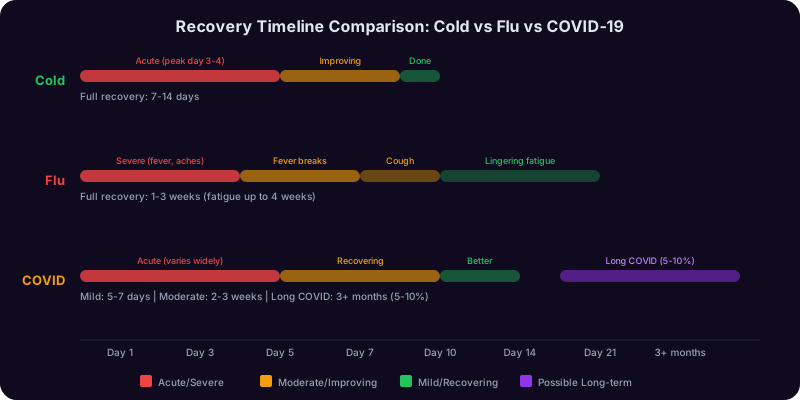
One of the most frustrating aspects of respiratory illness is the lingering symptoms that persist long after the acute phase. Here is a realistic timeline for each illness so you know what to expect:
Common Cold Recovery:
- Days 1-3: Symptoms build (sore throat, runny nose, sneezing)
- Days 4-5: Symptoms peak (congestion, mild cough, possible low-grade fever)
- Days 7-10: Most symptoms resolve
- A cough may linger for up to 2 weeks
- Full recovery: 7-14 days
Flu Recovery:
- Days 1-3: Acute phase (high fever, severe body aches, fatigue)
- Days 4-5: Fever typically breaks
- Days 5-7: Most acute symptoms improve
- Weeks 2-3: Lingering fatigue and cough
- Full recovery: 1-3 weeks for most adults
- Post-flu fatigue can persist for up to 4 weeks in some people
COVID-19 Recovery:
- Mild cases: Most people feel significantly better within 5-7 days
- Moderate cases: Recovery may take 2-3 weeks
- Long COVID: An estimated 5-10% of people experience symptoms lasting 3 months or more, including fatigue, brain fog, shortness of breath, and exercise intolerance. This risk is lower in vaccinated individuals
During recovery, do not rush back to exercise or strenuous activity. A general guideline is to wait until you have been fever-free for at least 24-48 hours and your symptoms are above the neck only (congestion, mild sore throat). If you have chest symptoms (cough, tightness, shortness of breath), wait until these fully resolve. For flu recovery specifically, many sports medicine physicians recommend a gradual return: start at 50% of your usual intensity and increase over 3-5 days.
Nutrition during recovery matters. Your body needs extra protein and calories to fuel the immune response. Easy-to-digest, nutrient-dense foods include chicken soup (studies actually support its anti-inflammatory properties), Greek yogurt, eggs, bananas, rice, toast, and warm broth. Avoid alcohol during recovery as it dehydrates you and may interfere with immune function.
If your symptoms are not improving as expected or you develop new symptoms during recovery, consult your doctor. The Health Copilot can help you assess whether your recovery timeline is normal or whether you should seek additional medical evaluation. For nutrition support during illness, the Nutrition Copilot can suggest recovery-friendly meal plans.
This is general health information, not medical advice. Always consult a healthcare professional.
Special Populations: Children, Elderly, Pregnant Women, and Immunocompromised
According to the World Health Organization, seasonal influenza causes 290,000 to 650,000 respiratory deaths globally each year. Certain groups face higher risks from respiratory infections and require modified treatment approaches. If you or someone you care for falls into one of these categories, proactive management is essential.
Children: Children under 5 (especially under 2) are at higher risk for flu complications. Symptoms in children often include higher fevers, more vomiting and diarrhea, and ear infections. Never give aspirin to children or teenagers with flu symptoms due to the risk of Reye's syndrome, a rare but potentially fatal condition. Use acetaminophen or ibuprofen (ibuprofen only for children 6 months and older) for fever. Tamiflu is approved for children as young as 2 weeks old. Seek immediate medical care if a child shows rapid breathing, bluish skin, refusal to drink fluids, or extreme irritability.
Adults Over 65: Approximately 70-85% of flu-related deaths occur in people 65 and older. The immune system weakens with age, making older adults more susceptible to infection and slower to recover. High-dose or adjuvanted flu vaccines are specifically recommended for this age group because standard-dose vaccines produce a weaker immune response in older adults. Pneumonia is a common flu complication in this group. Contact a doctor early if symptoms develop rather than waiting.
Pregnant Women: Pregnancy changes the immune system and increases susceptibility to respiratory complications. Pregnant women who get the flu are more likely to be hospitalized than non-pregnant women of the same age. The flu vaccine is safe and recommended during any trimester. Tamiflu is also considered safe during pregnancy and should be started promptly if flu is suspected. Acetaminophen is the preferred fever reducer during pregnancy; ibuprofen should be avoided, especially in the third trimester.
Immunocompromised Individuals: People undergoing chemotherapy, taking immunosuppressive medications, living with HIV, or who have had organ transplants face elevated risks from all respiratory viruses. They may have atypical symptom presentations, prolonged contagious periods, and higher complication rates. Antiviral treatment should be started as early as possible and may be continued for longer than standard courses. Close coordination with their specialist is essential.
If you are caring for someone in a high-risk group, the Health Copilot can help you understand the specific risks, treatment modifications, and warning signs relevant to their situation. The Medication Copilot is particularly useful for checking drug interactions in people who take multiple medications, which is common among elderly and immunocompromised patients.
This is general health information, not medical advice. Always consult a healthcare professional for personalized guidance.
Frequently Asked Questions
Recommended Copilots
Recommended Copilots
Assess your symptoms and get guidance on whether you need a doctor visit or can recover at home
Try Free →Understand antiviral treatments, check drug interactions, and learn about over-the-counter options
Try Free →Get recovery-friendly meal plans that support your immune system while you are sick
Try Free →Continue Exploring
Related Articles
Get Answers From the Health Copilot
Use the Health Copilot to assess your symptoms, understand your treatment options, and decide whether you need a doctor visit. The Medication Copilot can explain antiviral treatments and check for drug interactions.