
Why Stomach Pain Is So Common (and So Confusing)
Stomach pain is the number one symptom that sends people to Google before they call a doctor. And for good reason: your abdomen contains more than a dozen organs, each capable of producing pain that can feel remarkably similar. The stomach itself, small intestine, large intestine, liver, gallbladder, pancreas, spleen, kidneys, and appendix are all packed into a relatively small space. Pain from any of these organs can radiate, overlap, and mislead.
According to the American College of Gastroenterology, abdominal pain accounts for more than 15 million doctor visits per year in the United States alone. About 25% of Americans experience recurring abdominal pain at some point in their lives. The challenge is that most stomach pain is caused by something minor and self-limiting, but a small percentage of cases signal something serious that requires immediate attention.
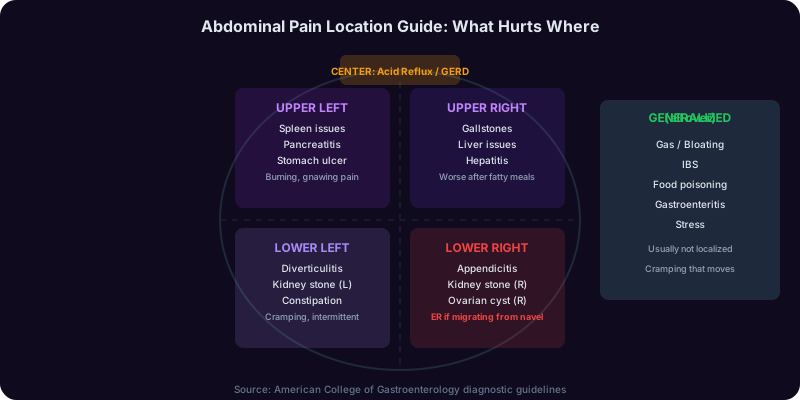
Location matters. Pain in the upper abdomen suggests different causes than pain in the lower abdomen. Right-sided pain points to different organs than left-sided pain. The type of pain (sharp, dull, cramping, burning) and its timing (after eating, on an empty stomach, constant, intermittent) are critical clues. This guide will help you narrow down the most likely cause and decide what to do next.
The Health Copilot can help you describe your symptoms more precisely and understand what questions a doctor would ask to narrow down the cause.
This is general health information, not medical advice. Always consult a healthcare professional for diagnosis and treatment specific to your situation.
1. Gas and Bloating: The Most Common Culprit
Gas is the single most common cause of stomach pain, and it is almost always harmless. The average person produces 1 to 3 pints of gas per day and passes gas 14 to 23 times daily. When gas gets trapped in your digestive tract, it causes bloating, pressure, and sharp or cramping pain that can be surprisingly intense.
What it feels like: Bloating, a feeling of fullness, sharp pains that shift location (because the gas moves through your intestines), and relief after passing gas or having a bowel movement.
Common causes: Swallowing air (eating too fast, chewing gum, drinking through straws), high-fiber foods (beans, broccoli, cabbage, onions), carbonated beverages, artificial sweeteners (sorbitol, mannitol), and dairy products if you are lactose intolerant. Approximately 68% of the global population has some degree of lactose malabsorption, according to the NIH's NIDDK.
Home remedies that work: Peppermint tea relaxes the smooth muscle of the digestive tract and helps gas pass. Simethicone (Gas-X) breaks up gas bubbles and provides relief within 15 to 30 minutes. Walking for 10 to 15 minutes after meals helps move gas through the system. Avoiding trigger foods is the best long-term strategy.
When to worry: Gas pain alone is not dangerous. But if you have persistent bloating that does not respond to dietary changes, unexplained weight loss, or blood in your stool, see a doctor. These can be signs of something more serious, including celiac disease, ovarian cancer (in women), or inflammatory bowel disease.
2. Acid Reflux and GERD
Acid reflux occurs when stomach acid flows backward into your esophagus, causing a burning sensation in your upper abdomen and chest. When this happens more than twice a week, it is classified as gastroesophageal reflux disease (GERD). An estimated 20% of the U.S. population has GERD.
What it feels like: Burning pain in the upper abdomen or chest (heartburn), a sour taste in the back of your throat, pain that worsens after eating or when lying down, difficulty swallowing, and feeling like food is stuck in your chest.
Common triggers: Spicy foods, citrus, tomato-based foods, chocolate, coffee, alcohol, fatty or fried foods, large meals, eating within 2 to 3 hours of bedtime, and being overweight. Certain medications (NSAIDs, aspirin, some blood pressure drugs) can also worsen reflux.
Home remedies: Elevate the head of your bed 6 to 8 inches (not just extra pillows, which can worsen reflux by bending your body). Eat smaller meals. Avoid lying down for 3 hours after eating. Over-the-counter antacids (Tums, Rolaids) provide quick relief. H2 blockers (famotidine) work for 6 to 12 hours. Proton pump inhibitors (omeprazole) are the strongest OTC option for frequent symptoms.
When to worry: See a doctor if you have reflux symptoms more than twice a week, need antacids for more than 2 weeks, have difficulty swallowing, experience unintended weight loss, or have black or bloody stools. Long-standing untreated GERD can cause esophageal damage and increase the risk of Barrett's esophagus, a precancerous condition.
The Chronic Health Copilot can help you track your reflux triggers and develop a management plan.

Get Answers From the Health Copilot
Describe your symptoms to the Health Copilot and get guidance on likely causes, home remedies, and whether you should see a doctor.
3. Food Poisoning
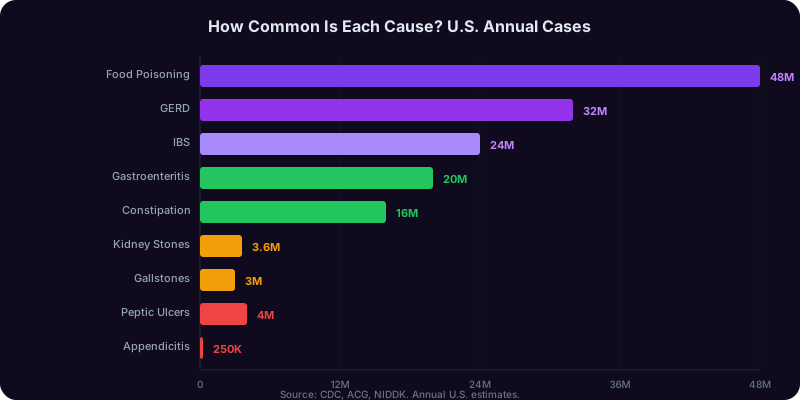
Food poisoning affects an estimated 48 million Americans per year (about 1 in 6 people), according to the CDC's foodborne illness estimates. It is caused by eating food contaminated with bacteria (Salmonella, E. coli, Listeria), viruses (norovirus), or parasites. Most cases resolve on their own within 1 to 3 days, but some can be serious.
What it feels like: Sudden onset of nausea, vomiting, watery or bloody diarrhea, stomach cramps, and sometimes fever. Symptoms typically begin 6 to 24 hours after eating contaminated food, though some pathogens take 1 to 7 days to cause symptoms.
Most common culprits: Undercooked poultry (Salmonella), raw or undercooked ground beef (E. coli), unpasteurized dairy and juice, raw sprouts, pre-cut fruits and vegetables, deli meats (Listeria), and raw shellfish (Vibrio). Restaurant food accounts for a disproportionate share of food poisoning cases.
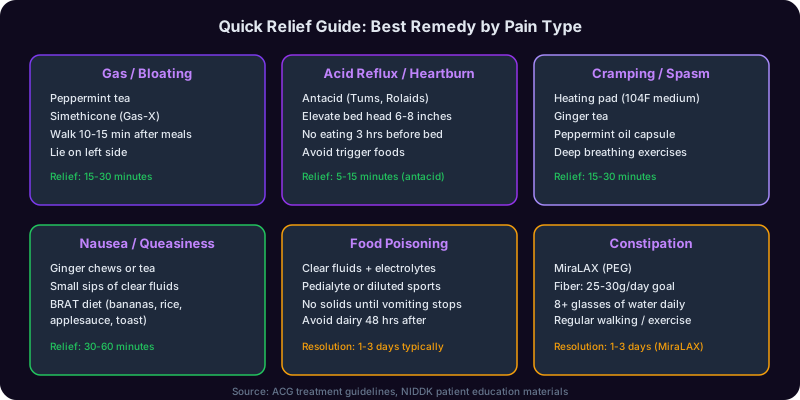
Home treatment: The primary risk from food poisoning is dehydration. Drink clear fluids frequently: water, broth, oral rehydration solutions (Pedialyte), or diluted sports drinks. Avoid solid food until vomiting stops. When you resume eating, start with bland foods: toast, rice, bananas, applesauce. Avoid dairy, caffeine, alcohol, and fatty foods for 48 hours after symptoms resolve.
When to go to the ER: Seek immediate care if you have a fever above 101.5F, bloody diarrhea, signs of dehydration (dark urine, dizziness, no urination for 8+ hours), vomiting that prevents keeping any liquids down for more than 24 hours, or symptoms lasting more than 3 days. Food poisoning can be life-threatening for pregnant women, young children, older adults, and people with weakened immune systems. For more on when symptoms warrant the ER, see our ER decision guide.
4. Irritable Bowel Syndrome (IBS)
IBS affects 10 to 15% of the global population, making it one of the most common gastrointestinal disorders worldwide. It is a functional disorder, meaning the digestive system looks normal on tests but does not work properly. IBS is diagnosed based on symptoms, not a specific test.
What it feels like: Recurring abdominal pain or cramping (at least one day per week for 3+ months), bloating, and altered bowel habits. IBS-D involves frequent diarrhea. IBS-C involves chronic constipation. IBS-M alternates between both. Pain often improves after a bowel movement and worsens after eating.
Triggers: Stress and anxiety are major triggers (the gut-brain connection is well established). Specific foods vary by person but common triggers include FODMAPs (fermentable carbohydrates found in wheat, onions, garlic, beans, certain fruits), dairy, caffeine, alcohol, and artificial sweeteners. Hormonal changes can also trigger flares, which is one reason IBS is twice as common in women.
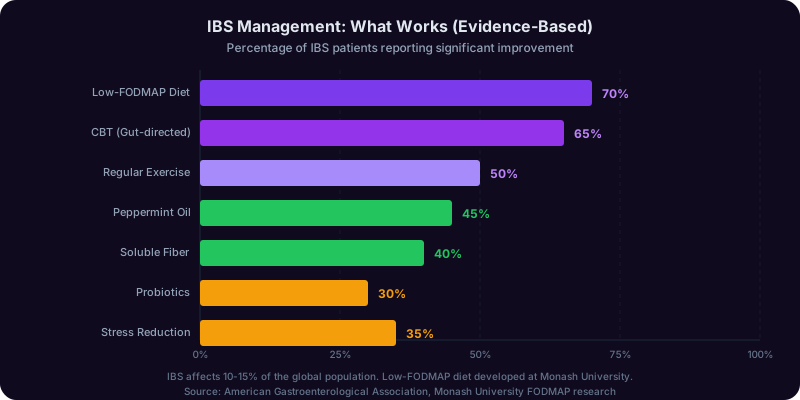
Management strategies: A low-FODMAP diet (developed at Monash University) reduces symptoms in approximately 70% of IBS patients. Peppermint oil capsules (enteric-coated) reduce abdominal pain and bloating. Soluble fiber supplements (psyllium) help regulate bowel movements. Regular exercise reduces IBS symptoms by 20 to 50%. Cognitive behavioral therapy (CBT) is one of the most effective treatments, with long-term improvement rates of 60 to 70%. If anxiety is a major trigger, our guide on reducing anxiety naturally covers complementary approaches.
The Nutrition Copilot can help you identify your personal trigger foods and plan meals around the low-FODMAP elimination and reintroduction phases.
5-8. Causes That Need Medical Attention
While most stomach pain is benign, several causes require prompt medical evaluation. Here are four that should not be ignored.
5. Appendicitis
Appendicitis is a medical emergency affecting approximately 250,000 Americans per year. It typically starts as a dull pain around the belly button that migrates to the lower right abdomen over 12 to 24 hours and becomes sharp and constant. Pain worsens with movement, coughing, or sneezing. Other symptoms include nausea, vomiting, low-grade fever, and loss of appetite. If you suspect appendicitis, go to the ER immediately. A ruptured appendix can cause life-threatening infection.
6. Gallstones
Gallstones affect 10 to 15% of American adults, with women, people over 40, and those with obesity at highest risk. A gallbladder attack causes sudden, intense pain in the upper right abdomen that may radiate to the right shoulder or back. Attacks often occur after fatty meals and last 1 to 5 hours. Nausea and vomiting are common. If pain lasts more than 5 hours or is accompanied by fever and chills, seek emergency care, as these signs suggest infection or a blocked bile duct.
7. Peptic Ulcers
Peptic ulcers are open sores in the stomach lining or upper small intestine, affecting about 4 million Americans. The most common causes are H. pylori bacterial infection (responsible for 60 to 70% of stomach ulcers) and long-term NSAID use (ibuprofen, aspirin, naproxen). The hallmark symptom is a burning, gnawing pain in the upper abdomen that is worse on an empty stomach and temporarily relieved by eating or taking antacids. If you vomit blood (looks like coffee grounds) or have black, tarry stools, go to the ER immediately, as these indicate a bleeding ulcer. The NIDDK peptic ulcer page provides comprehensive information on diagnosis and treatment.
8. Kidney Stones
Kidney stones cause some of the most severe pain imaginable. About 1 in 10 Americans will have a kidney stone in their lifetime. The pain typically starts in the back or side, below the ribs, and radiates to the lower abdomen and groin. It comes in waves and may be accompanied by blood in the urine, nausea, and painful urination. Stones smaller than 5mm usually pass on their own with hydration and pain management. Larger stones may require medical intervention. Seek emergency care for severe pain, fever, inability to urinate, or persistent vomiting.
The Health Copilot can help you evaluate your symptoms and decide whether you need urgent care, a scheduled appointment, or can safely manage at home.
9-12. Other Common Causes Worth Knowing
9. Constipation
Constipation affects about 16% of adults and up to 33% of adults over 60. It causes lower abdominal cramping, bloating, and a feeling of fullness. Fewer than three bowel movements per week, hard stools, and straining are the defining symptoms. Increasing fiber intake to 25 to 30 grams per day, drinking 8+ glasses of water, and regular exercise resolve most cases. Over-the-counter options include polyethylene glycol (MiraLAX), which works within 1 to 3 days.
10. Menstrual Cramps (Dysmenorrhea)
Menstrual cramps cause lower abdominal pain in up to 80% of women at some point in their lives, with 5 to 10% experiencing pain severe enough to interfere with daily activities. The pain is caused by uterine contractions triggered by prostaglandins. NSAIDs (ibuprofen) work best when taken at the first sign of cramps, not after pain is established. Heat therapy (a heating pad at 104F) has been shown to be as effective as ibuprofen in clinical studies. If cramps are severe enough to miss work or school, see a doctor to rule out endometriosis or fibroids.
11. Gastroenteritis (Stomach Flu)
Viral gastroenteritis is caused by norovirus, rotavirus, or adenovirus and affects 19 to 21 million Americans annually. Symptoms include watery diarrhea, stomach cramps, nausea, vomiting, and low-grade fever. It spreads easily and is highly contagious. Unlike food poisoning, which comes from contaminated food, gastroenteritis spreads person-to-person or through contaminated surfaces. Most cases resolve in 1 to 3 days. Focus on hydration and rest. For guidance on distinguishing this from more serious infections, see our flu vs cold vs COVID guide.
12. Stress and Anxiety
The gut-brain axis is real, and stress directly affects digestion. Stress increases stomach acid production, slows or speeds up gut motility, and can trigger or worsen IBS, reflux, and functional abdominal pain. If your stomach pain consistently coincides with stressful periods, the cause may be psychological rather than structural. Deep breathing exercises, regular exercise, adequate sleep, and cognitive behavioral therapy are all evidence-based approaches. The Symptom Check tool can help you track patterns between stress and digestive symptoms.
When to Go to the ER: Red Flags You Should Never Ignore
Most stomach pain does not require emergency care. But certain symptoms demand immediate medical attention. Go to the ER or call 911 if you experience any of the following:
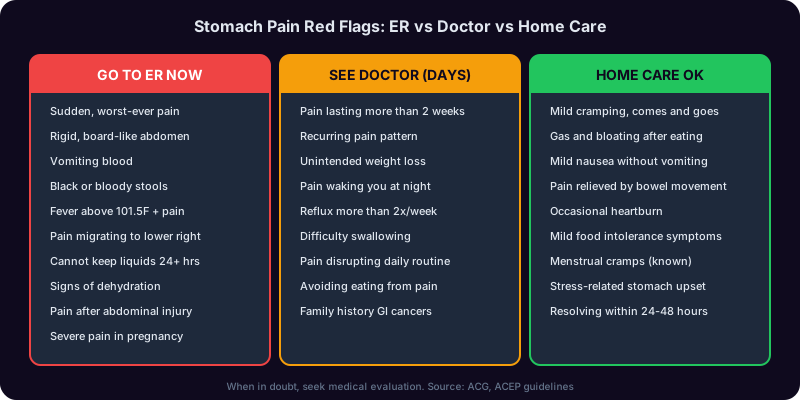
- Sudden, severe abdominal pain that comes on quickly and is the worst pain you have ever felt
- Pain with a rigid, board-like abdomen (your stomach is hard and tender to touch)
- Vomiting blood or material that looks like coffee grounds
- Black, tarry, or bloody stools
- High fever (above 101.5F) combined with abdominal pain
- Pain that starts near the belly button and moves to the lower right (classic appendicitis pattern)
- Inability to keep any liquids down for more than 24 hours
- Signs of dehydration: dark urine, dizziness, rapid heartbeat, no urination for 8+ hours
- Abdominal pain after a recent injury (car accident, fall, blow to the abdomen)
- Severe pain during pregnancy
You should schedule a non-urgent doctor visit if your stomach pain has lasted more than 2 weeks, keeps coming back, is accompanied by unintended weight loss, or is waking you up at night. Pain that disrupts your daily routine or causes you to avoid eating also warrants evaluation.
The Health Copilot can help you assess the urgency of your symptoms and prepare a clear summary to share with your doctor or ER triage team. For a comprehensive guide on deciding between the ER and urgent care, see our ER decision guide.
This is general health information, not medical advice. If you are experiencing a medical emergency, call 911 or go to your nearest emergency room immediately.
Frequently Asked Questions
Recommended Copilots
Recommended Copilots
Describe your stomach pain symptoms and get guidance on likely causes and next steps
Try Free →Track recurring stomach issues and identify patterns in your triggers
Try Free →Get personalized dietary advice to manage IBS, reflux, and food intolerances
Try Free →Continue Exploring
Related Scenarios
How It Works
Related Articles
Get Answers From the Health Copilot
Describe your symptoms to the Health Copilot and get guidance on likely causes, home remedies, and whether you should see a doctor.