
Why Perimenopause Causes Weight Gain: The Biology Most Doctors Skip
Most women in their 40s notice the same pattern: the diet that worked at 35 stops working at 45. Calories haven't changed, activity hasn't changed, but the scale moves the wrong way, and the weight settles around the midsection. This is not a willpower failure. It's a coordinated cascade of hormonal, metabolic, and circadian changes that fundamentally alter how the body stores energy.
Estrogen Decline and Fat Redistribution
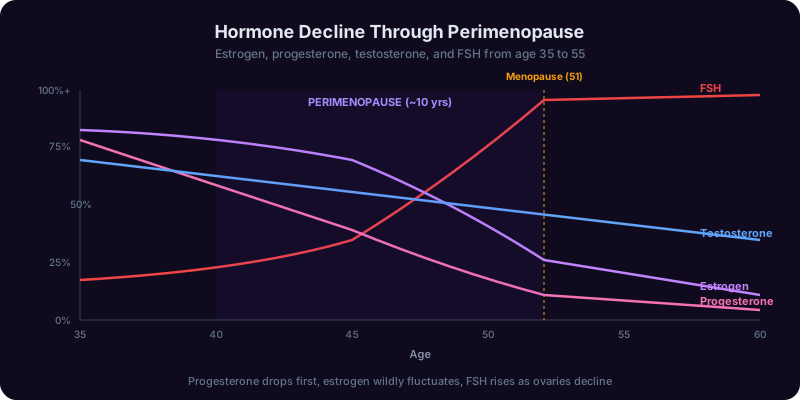
Estradiol -- the primary estrogen during reproductive years -- begins its erratic decline in the late 30s and falls sharply during the menopause transition (typically ages 45-55). Estradiol does more than regulate the menstrual cycle. It directly influences where fat is stored. Premenopausal women preferentially store subcutaneous fat in the hips and thighs (the protective "pear" shape). As estradiol falls, fat storage shifts to visceral adipose tissue around the abdominal organs -- the metabolically dangerous "apple" pattern that drives cardiovascular and insulin resistance risk.
A landmark SWAN (Study of Women's Health Across the Nation) analysis found that women gain an average of 1.5 pounds per year during the menopause transition independent of aging, with visceral fat increasing by 15-20% in the two years surrounding the final menstrual period.
The Cortisol-Sleep-Insulin Triangle
Three additional shifts compound the estrogen effect:
- Cortisol elevation: Falling progesterone and disrupted sleep raise baseline cortisol, which directly promotes visceral fat storage and increases appetite for high-calorie, carbohydrate-dense foods.
- Insulin resistance: Loss of estrogen's insulin-sensitizing effect means the same carbohydrate intake produces higher glucose and insulin responses. A 2024 JCEM analysis found fasting insulin rises an average of 20-30% across the menopause transition.
- Sleep fragmentation: Hot flashes, night sweats, and progesterone decline reduce deep sleep. Less deep sleep means lower growth hormone, lower leptin (satiety), higher ghrelin (hunger), and impaired glucose tolerance the next day.
Why Old Strategies Stop Working
The diet and exercise patterns that maintained weight at 30 work poorly at 45 because:
- Resting metabolic rate falls roughly 5-10% across the transition
- Lean muscle mass declines by 3-8% per decade after 40 (sarcopenia)
- Cardio-only exercise burns calories but doesn't address muscle loss or insulin resistance
- Caloric restriction triggers more aggressive metabolic adaptation than in younger women
Understanding the biology matters because it changes the intervention. You cannot out-exercise a hormonal driver, but you can address the hormonal driver directly.
Medical Disclaimer: This article is for informational purposes only and does not constitute medical advice. Perimenopause and menopause management requires individualized care from a qualified healthcare professional. Always discuss medications, hormones, and treatment decisions with your physician or board-certified menopause specialist.
The Four Perimenopause Weight Patterns and What Each Means
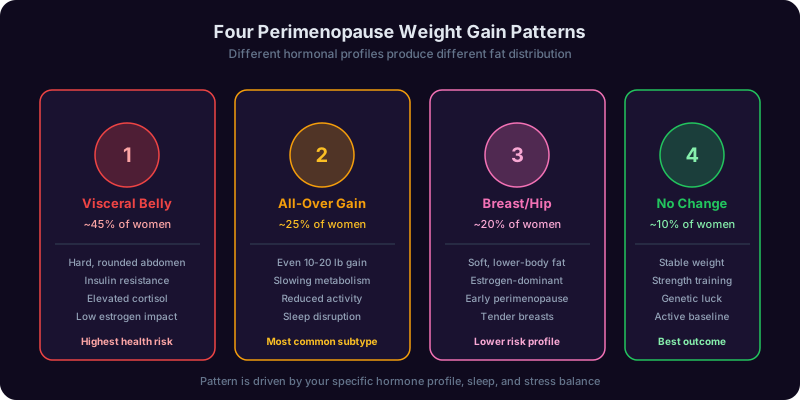
Not every woman gains weight the same way during perimenopause. Recognizing your pattern helps target the intervention. Researchers and menopause specialists generally describe four distinct phenotypes:
Pattern 1: Visceral Belly Fat (The Apple Shift)
The most common pattern. Total weight may increase only modestly (5-15 lbs), but waist circumference grows disproportionately. Body fat percentage may stay similar while body composition shifts toward central adiposity. Markers: waist measurement increases more than 2 inches, fasting glucose creeping up, triglycerides rising, HDL falling. Drivers: estradiol decline + cortisol elevation + insulin resistance. Best targeted by: HRT (estradiol restores fat distribution toward subcutaneous storage), insulin-sensitizing strategies, resistance training. GLP-1 is highly effective when BMI and metabolic markers warrant it.
Pattern 2: All-Over Weight Gain
Steady accumulation of 15-40+ pounds distributed across the body. Often accompanied by clear lifestyle drivers (work stress, alcohol increase, sleep loss) layered on top of hormonal changes. Markers: BMI moves from normal range into overweight or obese, clothes no longer fit anywhere, energy and motivation low. Drivers: hormones + lifestyle + sleep disruption + thyroid changes. Best targeted by: comprehensive approach -- thyroid evaluation, sleep restoration, structured nutrition, often GLP-1 if BMI qualifies, HRT for symptom management and metabolic support.
Pattern 3: Breast and Hip Concentration
Less common but distinctive. Weight settles in the breasts, upper back, and hips rather than the abdomen. Often accompanied by breast tenderness, fluid retention, and a sense of "bloat" that worsens cyclically. Markers: bra size increases by 1-2 cup sizes, hip measurement grows, abdominal measurement relatively preserved. Drivers: estrogen dominance relative to progesterone in late perimenopause -- still producing estrogen erratically while progesterone has plummeted. Best targeted by: progesterone replacement (often the missing piece), reducing alcohol (which raises estrogen), liver support nutrition. HRT specifically with progesterone often resolves this within months.
Pattern 4: No Significant Weight Change (But Body Composition Shifts)
Scale weight stable but clothes fitting differently. Loss of muscle, gain of fat, similar total weight. Often missed because routine BMI tracking misses it. Markers: DEXA or InBody scan shows declining lean mass, rising visceral fat. Performance metrics drop -- harder to climb stairs, grip strength reduced. Drivers: sarcopenia + hormonal changes without caloric surplus. Best targeted by: aggressive resistance training (the single highest-leverage intervention), protein optimization, HRT for muscle protection. GLP-1 is generally not appropriate here -- it would accelerate muscle loss without addressing the underlying issue.
Identifying Your Pattern
Track for one month: weight, waist at navel, hip at widest point, plus a basic metabolic panel, lipid panel, and fasting insulin. A DEXA or InBody scan ($75-$200) adds body composition data BMI cannot capture. This baseline determines which intervention will actually move the needle.
GLP-1s in Perimenopause: Efficacy, Dosing, and the Muscle Loss Problem
GLP-1 receptor agonists (semaglutide as Wegovy, tirzepatide as Zepbound) produce some of the largest weight loss results ever recorded in pharmacotherapy: 15-22% of body weight over 68-72 weeks in pivotal trials. The question for perimenopausal women is not whether they work -- they do -- but whether the standard protocol is right for this specific population.
Efficacy Data Specific to Women 40+
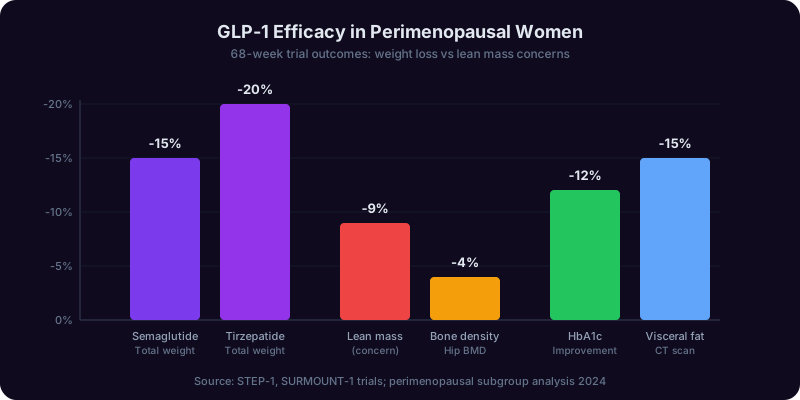
Sub-analyses of the STEP (semaglutide) and SURMOUNT (tirzepatide) trials show that women aged 40-65 lose roughly the same percentage of body weight as younger women, with comparable improvements in waist circumference, A1C, blood pressure, and lipids. A 2024 Lancet sub-analysis specifically of perimenopausal participants found:
- Mean weight loss at 68 weeks on semaglutide 2.4mg: 14.8% (similar to overall trial mean)
- Visceral fat reduction: 22-28% (better than general population, likely because they had more to lose)
- HOMA-IR improvement (insulin resistance): 40-50%
- Significant reduction in hot flash frequency in some patients (a possible secondary benefit)
Dosing Considerations
Standard titration applies, but perimenopausal women often tolerate slower titration better. The standard semaglutide schedule (0.25 -> 0.5 -> 1.0 -> 1.7 -> 2.4 mg, four weeks each) frequently produces nausea, fatigue, and constipation that compound existing perimenopause symptoms. Many menopause specialists now recommend an extended titration -- staying at each dose 6-8 weeks rather than 4 -- to allow the body to adapt. Lower maintenance doses (1.0-1.7 mg semaglutide, 5-10 mg tirzepatide) may achieve adequate weight loss with significantly fewer side effects in this population.
Side Effect Profile in Perimenopausal Women
Beyond the standard GI effects, certain side effects are amplified or have particular relevance:
- Fatigue: Already common in perimenopause, can worsen significantly with GLP-1 initiation
- Mood changes: Reports of low mood, anhedonia. Particularly relevant given perimenopause-associated mood disorders
- Hair thinning: Rapid weight loss accelerates telogen effluvium that perimenopause already causes
- Reduced alcohol tolerance: Often welcome, but can affect social patterns
- Hypoglycemia risk: Higher in women with already-disordered eating patterns
The Muscle Loss Concern (This Is the Big One)
Roughly 25-40% of weight lost on GLP-1s is lean mass in the general population. For women already losing 3-8% of lean mass per decade due to sarcopenia, this is a serious concern. A 2024 study in Obesity followed women 45-65 on semaglutide and found those who did not perform structured resistance training lost an average of 4.2 kg of lean mass over 68 weeks -- equivalent to a decade of normal aging compressed into 16 months.
The mandatory mitigations for women 40+ on GLP-1s: (1) protein intake of 1.0-1.2g per pound of lean body mass daily, (2) resistance training 2-3x weekly targeting all major muscle groups, (3) creatine monohydrate 5g daily (one of the best-evidenced safe supplements for muscle preservation), (4) adequate vitamin D and B12. Skip these and you may end up smaller but metabolically worse off.

Get Answers From the Health Copilot
Prepare for your menopause specialist visit with a personalized symptom inventory, organized lab interpretation, and tailored question list. Copilotly's Health Copilot helps you make the most of every appointment.
HRT and Weight: Does Hormone Replacement Cause Weight Gain? (The Data Says No)
One of the most persistent myths in women's health is that hormone replacement therapy causes weight gain. This belief stems largely from outdated information from the Women's Health Initiative era and conflation of menopause-driven weight gain with HRT use. The 2026 evidence base is clear and consistent.
The Weight Data: HRT Is Weight-Neutral or Beneficial
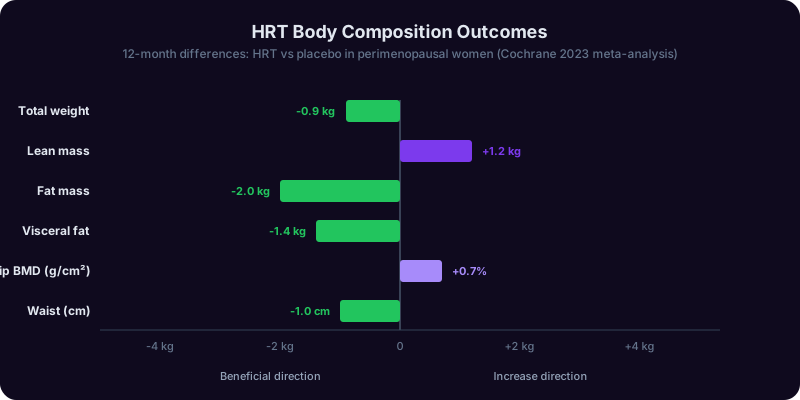
A 2023 Cochrane systematic review of 22 randomized trials involving over 10,000 women concluded that HRT does not cause weight gain. Across the trials, HRT users and placebo users gained similar amounts of weight (the weight gain attributable to the menopause transition itself), but body composition outcomes differed significantly:
- HRT users gained less visceral fat than placebo users (mean difference -1.2 kg)
- HRT users preserved more lean mass (mean difference +0.8 kg)
- HRT users had smaller waist circumference increases (mean difference -1.4 cm)
Body Recomposition Effects
Estradiol directly influences fat distribution -- restoring it shifts fat storage away from the visceral compartment back toward the subcutaneous compartment. This is why many women on HRT report that their clothes fit better without significant scale changes. They are losing visceral fat and preserving or gaining muscle.
Transdermal estradiol (patches, gels) has the most favorable metabolic profile and is preferred over oral estrogen in most modern menopause protocols because it bypasses first-pass liver metabolism, doesn't increase clotting factors as much, and has more favorable effects on lipids and triglycerides. Progesterone (specifically micronized progesterone, often Prometrium) is added for women with a uterus to protect the endometrial lining.
Symptom Resolution and Behavioral Cascades
Beyond direct metabolic effects, HRT often produces weight benefits indirectly:
- Sleep restoration: Resolving night sweats and hot flashes restores deep sleep, which improves leptin, ghrelin, and glucose tolerance
- Energy improvement: Returning energy makes exercise possible again
- Mood stabilization: Reduces stress-driven eating
- Reduced joint pain: Estradiol has direct effects on joint inflammation
Who Should and Shouldn't Consider HRT
Modern menopause guidelines (NAMS, the British Menopause Society) recommend HRT for the majority of women under 60 or within 10 years of menopause onset who have moderate to severe symptoms. Contraindications include active breast cancer, active estrogen-sensitive cancers, untreated endometrial hyperplasia, undiagnosed vaginal bleeding, active liver disease, recent stroke or MI, history of DVT/PE in some cases, and severe uncontrolled hypertension.
The Menopause Society position statement explicitly notes that benefits outweigh risks for symptomatic women starting HRT before age 60 or within 10 years of menopause. This is the "timing hypothesis" -- starting HRT in the perimenopausal window produces fundamentally different cardiovascular and metabolic outcomes than initiating it 15 years post-menopause.
GLP-1 + HRT Combination Protocols: What the Top Menopause Clinics Actually Prescribe
The fastest-growing area in perimenopause medicine in 2026 is the combination of GLP-1 therapy with hormone replacement. Telehealth menopause clinics like Midi Health, Evernow, Alloy, and Winona have prescribed thousands of these combination protocols, and emerging data suggests the combination produces better outcomes than either alone -- when properly executed.
The Biological Rationale
GLP-1 medications address appetite, satiety, and insulin sensitivity but accelerate muscle loss and don't restore the underlying hormonal driver of visceral fat redistribution. HRT addresses the hormonal driver and preserves lean mass but produces modest weight loss on its own (typically 2-5 lbs over 6 months). Combining them theoretically attacks the problem from both ends: GLP-1 for the weight, HRT for the composition.
What the Clinics Actually Prescribe
Standard combination protocols in 2026 telehealth menopause practice typically look like:
- Estradiol: Transdermal patch 0.05-0.075 mg twice weekly, or gel 1-2 pumps daily
- Progesterone: Micronized progesterone 100-200mg nightly (for women with a uterus, or for sleep benefit)
- GLP-1: Semaglutide 0.25mg weekly titrating to 1.0-1.7mg, OR tirzepatide 2.5mg weekly titrating to 5-10mg
- Adjuncts: Vaginal estrogen for GSM symptoms, testosterone for libido (off-label, controversial)
- Monitoring: Quarterly labs (lipids, A1C, liver, thyroid), annual mammogram, body composition tracking
Emerging 2026 Research
A 2026 prospective cohort study tracking 847 perimenopausal women on combination GLP-1 + HRT versus GLP-1 alone for 12 months found:
- Combination group: 14.2% weight loss, 1.8 kg lean mass loss
- GLP-1 only group: 13.7% weight loss, 3.6 kg lean mass loss
- Combination group reported 62% better adherence, primarily due to symptom relief reducing the temptation to discontinue
- Combination group had significantly better sleep quality, hot flash resolution, and mood scores
Larger randomized trials are underway (the MERIDIAN trial is recruiting through 2027), but the early data is encouraging.
Sequencing Strategy
Most menopause specialists recommend starting HRT first, then evaluating after 3 months whether GLP-1 is still needed. Roughly 30-40% of women find that HRT alone -- combined with resistance training and nutrition adjustments -- resolves their weight concerns without requiring GLP-1. For those who still want or need additional weight intervention, GLP-1 is added at month 3-6 with much better symptom tolerance because sleep and energy have already improved.
Cautions and Open Questions
The combination is not without complexity. GLP-1 medications slow gastric emptying, which may affect absorption of oral medications including some HRT components. Transdermal estradiol bypasses this concern. Cost is meaningfully higher than either treatment alone. And long-term outcomes data on the combination is still accumulating -- this is genuinely cutting-edge practice. See our complete GLP-1 side effects guide for detailed safety information.
Lifestyle Non-Negotiables: Strength Training, Protein, Sleep, and Alcohol
Whether you choose GLP-1, HRT, both, or neither, four lifestyle interventions have such strong evidence in perimenopausal women that menopause specialists consider them non-negotiable. Skipping them is the single biggest reason women fail to see results.
1. Strength Training Is the #1 Intervention (Not Cardio)
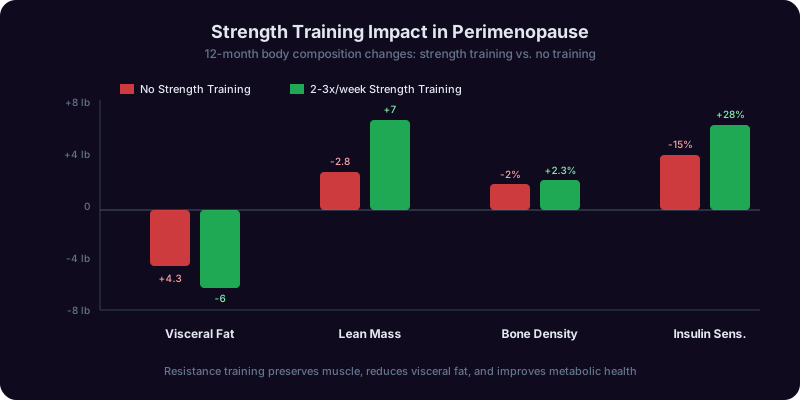
If you do nothing else, do this. Resistance training in perimenopausal women produces:
- Preservation of lean muscle mass (counters sarcopenia)
- Improved insulin sensitivity independent of weight loss
- Increased resting metabolic rate
- Bone density preservation (critical for fracture prevention)
- Improved body composition independent of scale weight
- Better mood, sleep, and cognitive function
The minimum effective dose is 2-3 sessions per week of 30-45 minutes, targeting all major muscle groups (legs, back, chest, shoulders, core) with progressive overload. Compound movements -- squats, deadlifts, rows, presses -- produce the best results. See our sleep optimization guide for how strength training also improves sleep architecture.
2. Protein: 1.0 Gram Per Pound of Lean Body Mass
Most perimenopausal women under-eat protein. The standard RDA (0.8 g/kg) is wildly inadequate for this population. Current evidence supports:
- Target: 1.0-1.2 g per pound of lean body mass (typically 100-150g daily for most women)
- Distribution: 30-40g per meal across 3-4 meals (the muscle protein synthesis threshold)
- Quality: Animal proteins (eggs, fish, poultry, lean beef, dairy) provide complete amino acid profiles; plant proteins require combining
- Critical on GLP-1: Reduced appetite makes hitting protein targets harder. Protein-first eating order (start every meal with the protein) becomes essential.
3. Sleep Hygiene Is Not Optional
Sleep is when fat metabolism, glucose regulation, and muscle repair happen. Poor sleep in perimenopause is itself a weight gain driver. Non-negotiables include:
- Cool bedroom (60-67°F) -- helps with hot flashes
- Consistent sleep/wake time, even on weekends
- No screens 30-60 minutes before bed
- Limit alcohol (it fragments sleep architecture)
- Address sleep apnea (drastically more common in perimenopausal women than commonly recognized)
- Consider progesterone -- it has direct sedative effects via GABA
4. Alcohol Reduction
Alcohol metabolism changes meaningfully in perimenopause. The same two glasses of wine that produced no issue at 35 may now:
- Trigger hot flashes
- Fragment sleep for 4-6 hours after consumption
- Raise circulating estrogen erratically (worsening symptoms)
- Add 200-400 calories with no satiety
- Lower next-day exercise capacity
- Worsen anxiety
Most menopause specialists recommend reducing to 0-3 drinks per week maximum during the transition. Many women find that eliminating alcohol entirely produces faster results than any single medication change.
The Nutrition Copilot and Fitness Copilot can build customized programs that address these four levers based on your specific situation.
Cost Breakdown: GLP-1 Alone vs HRT Alone vs Both
The financial difference between treatment paths is substantial. Here is what perimenopausal women actually pay in 2026, with telehealth options changing the math significantly.
HRT Alone
HRT is generally affordable relative to GLP-1s, especially with insurance:
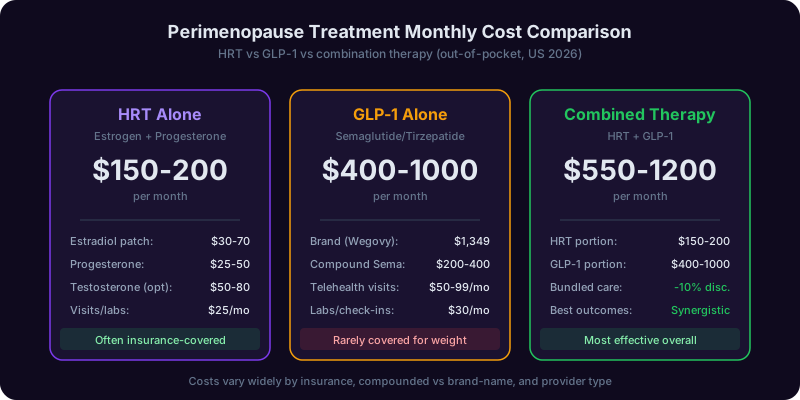
- With insurance: $10-$40/month for estradiol patches or gel + micronized progesterone, often covered as standard pharmacy benefit
- Without insurance (generic): Estradiol patches $30-$80/month (GoodRx), generic micronized progesterone $20-$50/month
- Telehealth (Midi, Evernow, Alloy): $30-$60/month membership fee + medication costs, total typically $80-$200/month
- Provider visits: 2-4 per year; in-network $25-$75 copays, out of network $150-$400
- Lab monitoring: $100-$300/year
Typical annual cost: $600-$2,400 ($50-$200/month all-in)
GLP-1 Alone
The pricier path by far, with massive variability:
- With insurance + savings card: $0-$25/month (rare for off-label weight loss; more common with diabetes diagnosis)
- Manufacturer self-pay (Zepbound vials): $399-$549/month
- Telehealth + compounded (Ro, Hims & Hers, Mochi): $150-$400/month, including provider visits
- Full retail: $935-$1,349/month
- Provider/monitoring: $200-$600/year
Typical annual cost: $1,800-$12,000+. See our complete GLP-1 affordability guide for ways to reduce this.
GLP-1 + HRT Combination
The combined cost varies by how you source each component:
- Best case (insurance covers both): $30-$80/month total
- Telehealth bundle (Midi + Ro combination): $250-$500/month
- Fully out-of-pocket retail: $1,000-$1,500/month
- Telehealth compounded: typical realistic combination $300-$500/month all-in
Telehealth vs Traditional Care
Telehealth menopause platforms have meaningfully changed pricing and access:
- Midi Health: Accepts most major insurance, $25-$75 visit copays. Comprehensive perimenopause workups.
- Evernow: $49-$99/month membership + medication. No insurance accepted but includes provider time.
- Alloy: $49/month membership for unlimited messaging with menopause specialists; medications priced separately.
- Winona: $79/month all-inclusive for HRT including medication.
Traditional in-person menopause specialists ($300-$800 initial visits, often cash-pay only because demand exceeds supply) provide more comprehensive evaluation but are 2-3x the cost and have months-long waits. For women without complex medical histories, telehealth menopause care is often the better entry point. Insurance navigation can dramatically change these numbers -- see our insurance denial appeal guide for strategies on getting coverage.
Decision Framework and How Copilotly Helps You Prepare for Your Menopause Visit
With multiple effective paths available, the right choice depends on your clinical picture, financial situation, and goals. Here is the framework used by board-certified menopause specialists.
Categorize Your Situation
Scenario A: Moderate symptoms + 5-15 lb weight gain + BMI < 30. Start with HRT and lifestyle. Most women resolve weight concerns within 6 months without GLP-1.
Scenario B: Severe symptoms + 15-40 lb weight gain + BMI 30+. HRT first (3-month trial), then add GLP-1 if weight loss is still desired. Combination is the most evidence-supported path.
Scenario C: Mild symptoms + significant weight gain + BMI 30+ + comorbidities. GLP-1 may be primary, with HRT for symptom support and lean mass preservation.
Scenario D: No interest in hormones + want to address weight. GLP-1 + aggressive lifestyle works but expect more muscle loss than the combination protocol.
Scenario E: No interest in medications. Lifestyle-only with strength training, protein, alcohol reduction, sleep restoration. Realistic: 5-10% body composition improvement over 12 months.
Questions to Bring to Your Specialist Visit
Before your appointment, organize:
- Last menstrual period date and cycle pattern over past 12 months
- Symptom inventory (hot flashes, sleep, mood, libido, brain fog) with severity ratings
- Weight history, waist measurements, and timeline of changes
- Family history of breast cancer, blood clots, heart disease, osteoporosis
- Personal history of breast biopsies, abnormal mammograms, DVT/PE
- Current medications and supplements
- Recent labs: CBC, CMP, lipid panel, A1C, TSH, vitamin D
- Your top 2-3 priorities -- focus the conversation
How Copilotly's Health Copilot Helps
Preparing for a menopause visit is exactly the kind of organizational work AI handles well. The Health Copilot can generate a symptom inventory customized to your situation, create a timeline of weight and cycle changes, draft your prioritized question list, translate lab results into context, identify red flags warranting workup before HRT or GLP-1, and compare telehealth menopause platform options based on your budget.
The Women's Health Copilot extends this with specialized knowledge of perimenopause protocols and research from The Menopause Society, the NIH National Institute on Aging, and journals indexed on PubMed including JAMA.
Perimenopause weight gain has more effective interventions in 2026 than ever before. The biggest barrier is finding a clinician current on the evidence -- telehealth menopause platforms have democratized access to specialist-level care.
Medical Disclaimer: This article provides general health information for educational purposes only. It does not constitute medical advice. HRT, GLP-1 medications, and other interventions have specific contraindications, side effects, and monitoring requirements that must be evaluated by a qualified healthcare professional familiar with your individual medical history. Do not start, stop, or change any medication without consulting your physician or a board-certified menopause specialist.
Frequently Asked Questions
Recommended Copilots
Get Answers From the Health Copilot
Prepare for your menopause specialist visit with a personalized symptom inventory, organized lab interpretation, and tailored question list. Copilotly's Health Copilot helps you make the most of every appointment.