Health & Wellness
Waking Up at 3 AM Every Night? How to Fix Your Sleep for Good
Poor sleep affects 70 million Americans, and 3 AM wakeups are among the most common complaints. Learn the circadian levers that actually fix them: light and temperature timing, evidence-based supplement doses, caffeine and alcohol cutoffs, and what your wearable data really means.
Sleep Architecture: Understanding the Stages, Cycles, and Why They Matter
Before you can optimize sleep, you need to understand what your brain is actually doing during the 7-9 hours you spend unconscious. Sleep is not a uniform state. It is a precisely orchestrated sequence of neurological stages, each serving different biological functions. Disrupting any one stage has distinct consequences for memory, physical recovery, immune function, and emotional regulation.
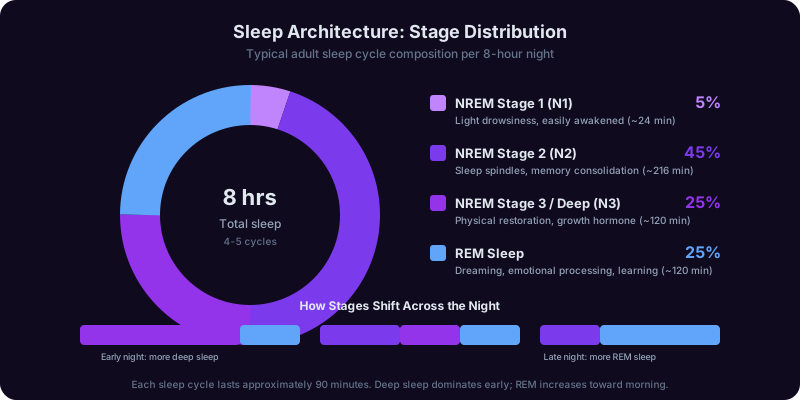
A complete sleep cycle lasts approximately 90 minutes and moves through four stages. Most adults complete 4-6 full cycles per night, which is why sleep duration matters less than completing full cycles. Waking up in the middle of a cycle, particularly during deep sleep, produces that groggy, disoriented feeling called sleep inertia, which can persist for 15-30 minutes.
The Four Stages of Sleep
| Stage | Type | Duration per Cycle | Brain Waves | Primary Function |
| N1 | Light Sleep | 1-7 minutes | Theta waves | Transition from wakefulness; easily disrupted |
| N2 | Light Sleep | 10-25 minutes | Sleep spindles, K-complexes | Memory consolidation, body temperature drops, heart rate slows |
| N3 | Deep Sleep (SWS) | 20-40 minutes (early cycles) | Delta waves (slow-wave) | Physical repair, growth hormone release, immune function, glymphatic clearance |
| REM | Rapid Eye Movement | 10-60 minutes (increases later) | Mixed frequency (similar to waking) | Emotional processing, procedural memory, creativity, dream state |
The distribution of these stages across the night is not uniform, and this matters enormously for optimization. Deep sleep (N3) is concentrated in the first half of the night, particularly in the first two cycles. This is why going to bed late does not just shorten your sleep; it selectively cuts into your most restorative stage. A person who sleeps from 10 PM to 6 AM gets substantially more deep sleep than someone who sleeps from 2 AM to 10 AM, even though both sleep 8 hours.
REM sleep increases in the second half of the night, with the longest REM periods occurring in cycles 4-6. This is why waking up early with an alarm disproportionately cuts REM sleep. REM deprivation impairs emotional regulation, creative problem-solving, and the consolidation of complex or emotionally significant memories. A 2019 study in Nature Human Behaviour found that a single night of REM sleep disruption increased anxiety levels by 30% the following day.
The Glymphatic System: Your Brain Cleaning Crew
One of the most important sleep discoveries of the past decade is the glymphatic system, identified by researchers at the University of Rochester and published in Science in 2013. During deep sleep, the spaces between brain cells expand by approximately 60%, allowing cerebrospinal fluid to flush out metabolic waste products, including beta-amyloid and tau proteins associated with Alzheimer's disease. This cleaning process is 10-20 times more active during sleep than during wakefulness.
A 2021 study in JAMA Neurology found that adults who consistently slept fewer than 6 hours per night had measurably higher levels of beta-amyloid accumulation on PET scans compared to those sleeping 7-8 hours. While Alzheimer's is multifactorial, this research suggests that sleep deprivation may be a modifiable risk factor for neurodegeneration.
Understanding sleep architecture helps you set the right priorities: protect the first half of the night to preserve deep sleep, protect the last 1-2 hours to preserve REM, and aim for 4-6 complete 90-minute cycles rather than an arbitrary hour count. The Health Copilot can help you calculate ideal bedtimes based on your wake-up requirements and explain how your sleep tracker data maps to these stages.
Circadian Rhythm Optimization: Light Exposure, Temperature Regulation, and Meal Timing
Your circadian rhythm is a roughly 24-hour internal clock governed by the suprachiasmatic nucleus (SCN), a tiny cluster of about 20,000 neurons in the hypothalamus. This master clock coordinates hormone release, body temperature, gene expression, immune activity, and cognitive performance. When your behavior aligns with your circadian rhythm, sleep comes easily. When it does not, even spending 9 hours in bed can leave you feeling unrested.
The most powerful input to your circadian clock is light. Specialized retinal cells called intrinsically photosensitive retinal ganglion cells (ipRGCs) detect light and send signals directly to the SCN. These cells are most sensitive to short-wavelength blue light (around 480 nm), which is abundant in sunlight but also emitted by screens and LED lighting.
Morning Light: The Most Powerful Sleep Tool
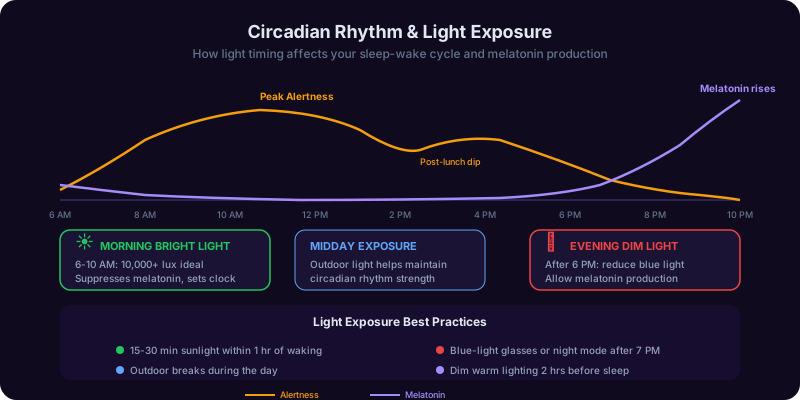
Getting bright light exposure within the first 30-60 minutes after waking is arguably the single most impactful thing you can do for your sleep. Morning light anchors your circadian rhythm, suppresses residual melatonin, and triggers a healthy cortisol awakening response. A 2022 study in the Journal of Pineal Research found that participants who received bright light exposure (more than 10,000 lux) within 1 hour of waking had melatonin onset 1.5-2 hours earlier in the evening compared to those who stayed indoors. Direct sunlight provides 10,000-100,000 lux; indoor lighting provides only 100-500 lux, which is insufficient to fully entrain your clock.
Protocol: Aim for 10-15 minutes of direct outdoor sunlight within 30 minutes of waking. On overcast days, extend to 20-30 minutes. If outdoor morning light is impractical, a 10,000-lux light therapy box used for 20-30 minutes at eye level can substitute.
Evening Light: What to Avoid and When
Evening blue light delays melatonin onset, telling your brain it is still daytime. A landmark 2014 study in the Proceedings of the National Academy of Sciences found that reading on a light-emitting device for 4 hours before bed delayed melatonin onset by 1.5 hours, reduced REM sleep, and increased next-morning sleepiness compared to reading a printed book.
Protocol: Begin dimming lights 2-3 hours before bedtime. Switch to warm-toned lighting (2700K or lower). Use night mode on all devices. The National Sleep Foundation recommends keeping bedroom light levels below 5 lux during sleep.
Temperature: The Overlooked Sleep Driver
Your core body temperature follows a circadian pattern, peaking around 5-7 PM and reaching its lowest point approximately 2 hours before your natural wake time. The drop in core body temperature is one of the most potent signals for sleep onset. The CDC recommends a bedroom temperature of 65-68 degrees Fahrenheit (18-20 degrees Celsius).
A 2019 systematic review in Sleep Medicine Reviews found that a warm bath or shower 1-2 hours before bedtime reduced sleep onset latency by an average of 10 minutes. The warm water dilates peripheral blood vessels, accelerating heat transfer from your core to your skin surface. When you step out, the rapid cooling amplifies the natural pre-sleep temperature drop.
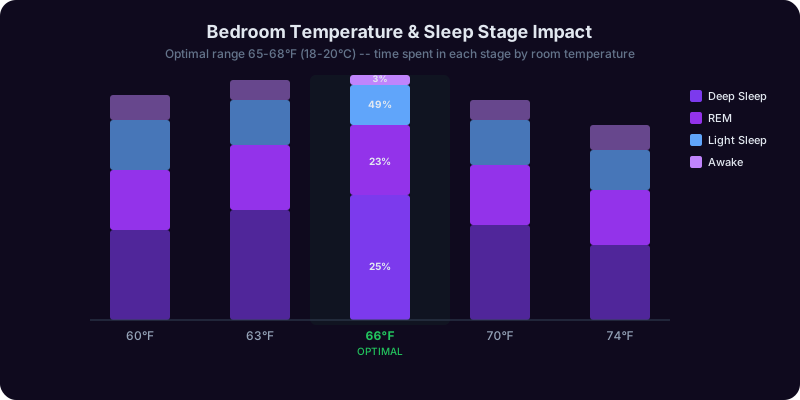
Practical temperature strategies: Set your thermostat to 65-68 degrees Fahrenheit. Use breathable bedding (cotton, linen, bamboo). Consider separate blankets if sharing a bed. Cooling mattress pads with temperature regulation (such as the Eight Sleep Pod or ChiliPad) can increase deep sleep by 20% based on a 2023 study. Wear socks to bed if you have cold extremities, as warm feet promote peripheral vasodilation that accelerates core cooling. Research from the National Institutes of Health shows that excessive heat during the first half of the night selectively reduces deep sleep (N3).
Meal Timing as a Circadian Signal
Your digestive system has its own peripheral clocks. A 2020 study in Cell Metabolism found that eating within 2 hours of bedtime was associated with delayed sleep onset, reduced sleep quality, and increased nighttime awakenings. Finish your last meal 2-3 hours before bedtime. If you need a snack, choose tryptophan-containing foods like tart cherry juice, turkey, or walnuts. For broader dietary guidance, see our guide to lowering blood pressure naturally.
Supplements for Sleep: Evidence-Based Dosing for Magnesium, Melatonin, L-Theanine, and More
The sleep supplement market generates over $2 billion annually in the United States, and the gap between marketing claims and actual evidence is enormous. Below is an honest breakdown of the most commonly discussed sleep supplements, ranked by the strength and consistency of their evidence.
Supplement Evidence Summary
| Supplement | Evidence Level | Optimal Dose | Timing | Key Research Findings |
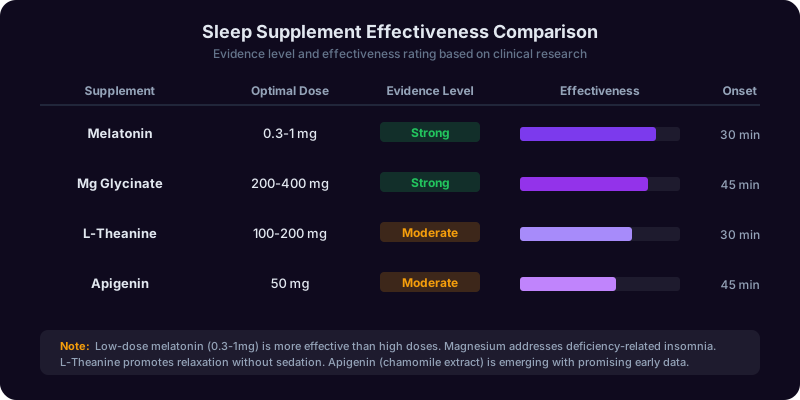
| Magnesium (glycinate/threonate) | Moderate-Strong | 200-400 mg elemental magnesium | 30-60 min before bed | Improved sleep quality in deficient individuals; enhanced deep sleep duration |
| Melatonin | Strong (for timing, not sedation) | 0.3-1 mg (physiological dose) | 30-60 min before target bedtime | Advances circadian phase; reduces sleep onset latency by 7-12 min; less is more |
| L-theanine | Moderate | 200-400 mg | 30-60 min before bed | Promotes alpha brain waves; reduces pre-sleep anxiety without sedation |
| Glycine | Moderate | 3 g | 60 min before bed | Lowers core body temperature; improved subjective sleep quality and next-day alertness |
| Tart cherry extract | Moderate | 480 mg extract or 8 oz juice | Morning and evening | Natural melatonin source; reduced insomnia severity in older adults |
| Apigenin | Weak-Moderate | 50 mg | 30-60 min before bed | Binds GABA receptors; anxiolytic; limited but promising human data |
| Valerian root | Weak-Mixed | 300-600 mg | 30-60 min before bed | Inconsistent results across trials; may require 2-4 weeks of use |
| CBD | Emerging | 25-75 mg | 60 min before bed | May help with anxiety-related insomnia; dose and quality vary widely |
Magnesium: The Foundation Supplement
Magnesium is involved in over 300 enzymatic processes and directly regulates GABA receptors, the same receptors targeted by prescription sleep medications like Ambien. An estimated 50% of Americans are magnesium deficient or insufficient. A 2012 randomized controlled trial in the Journal of Research in Medical Sciences found that 500 mg of magnesium over 8 weeks significantly improved sleep quality scores, sleep time, and sleep onset latency in elderly subjects with insomnia, while also reducing cortisol and increasing melatonin.
Form matters enormously. Magnesium oxide has only 4% bioavailability and primarily acts as a laxative. Magnesium glycinate is preferred for sleep because glycine itself is an inhibitory neurotransmitter that promotes relaxation, and the glycinate form is well-absorbed with minimal GI side effects. Magnesium L-threonate (Magtein) is the only form shown to cross the blood-brain barrier efficiently. Take 200-400 mg of elemental magnesium in glycinate or threonate form 30-60 minutes before bed.
Melatonin: Why Less Is More
Melatonin is the most widely used sleep supplement globally, yet most people take 10-30 times the optimal dose. Commercial products commonly contain 3-10 mg, but your body naturally produces only 0.1-0.3 mg per night. A 2005 MIT study by Dr. Richard Wurtman found that the physiologically effective dose is 0.3 mg, and that higher doses desensitize melatonin receptors, paradoxically reducing sleep quality over time. Higher doses also cause morning grogginess, vivid nightmares, and can suppress natural melatonin production.
Melatonin is not a sedative. It is a timing signal that tells your brain it is nighttime. It is most useful for jet lag, shift work, and delayed sleep phase disorder, not as a general nightly sleep aid. Start with 0.3-0.5 mg taken 30-60 minutes before your target bedtime.
L-Theanine: Calming Without Sedating
L-theanine, an amino acid found naturally in green tea, promotes sleep by reducing anxiety and mental chatter. It increases alpha brain wave activity, the pattern associated with relaxed wakefulness. A 2019 randomized controlled trial in Nutrients found that 200 mg improved sleep quality and reduced sleep disturbance. Effects are noticeable within 30-60 minutes, with an excellent safety profile and no morning grogginess. For a deeper comparison, see our melatonin versus magnesium guide.
Safety notes: Supplements are not FDA-regulated for efficacy. Choose products tested by third-party organizations (USP, NSF International, ConsumerLab). Always consult your healthcare provider before starting supplements, especially with prescription medications. The Health Copilot can help you evaluate supplement options and flag potential drug interactions.
Caffeine Cutoff, Alcohol Impact, and Exercise Timing: The Three Biggest Behavioral Sleep Disruptors
Many people unknowingly sabotage their sleep through three common behavioral patterns: caffeine consumption too late in the day, alcohol use as a sleep aid, and exercise at the wrong time. Correcting these often produces larger improvements than any supplement or sleep gadget.
Caffeine: Your Personal Cutoff Time
Caffeine blocks adenosine receptors in the brain. Adenosine accumulates throughout the day and creates sleep pressure. When caffeine blocks these receptors, you feel alert, but adenosine is still building. When the caffeine wears off, the accumulated adenosine hits all at once.
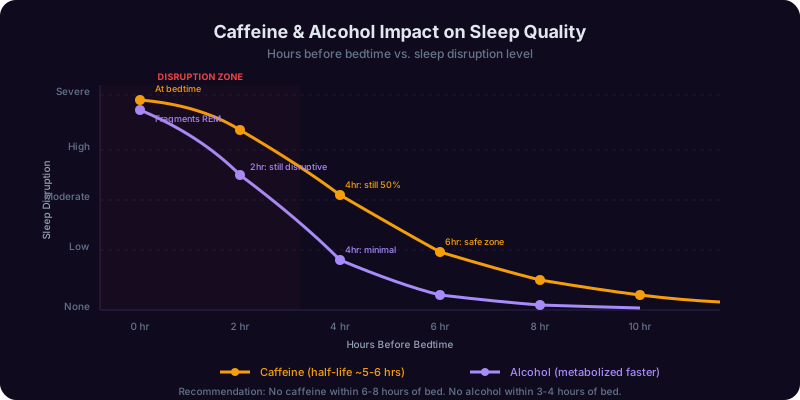
Caffeine has an average half-life of 5-6 hours, meaning if you drink 200 mg of coffee at 3 PM, approximately 100 mg remains in your system at 8-9 PM. But half-life varies genetically by 2-3 fold. People with a fast-metabolizing CYP1A2 gene variant clear caffeine in 3-4 hours. Slow metabolizers may take 8-10 hours.
A 2013 study in the Journal of Clinical Sleep Medicine found that caffeine consumed 6 hours before bed reduced total sleep time by over 1 hour and significantly reduced deep sleep.
Protocol: Set your caffeine cutoff at 8-10 hours before bedtime (typically 1-2 PM). Remember that caffeine exists in tea (30-50 mg per cup), chocolate (10-30 mg per serving), pre-workout supplements (150-300 mg), and many sodas. If you suspect caffeine sensitivity, eliminate it for 2 weeks and observe changes in sleep onset and quality.
Alcohol: The Sleep Destroyer Disguised as a Sleep Aid
Approximately 20% of American adults use alcohol to help them fall asleep, according to the National Sleep Foundation. Alcohol does reduce sleep onset latency. But as it is metabolized, it produces acetaldehyde and triggers a sympathetic nervous system rebound:
- First half of night: Sedated, artificially deep sleep with suppressed REM
- Second half of night: Fragmented sleep, frequent awakenings, increased heart rate, sweating, and vivid dreams as REM attempts to rebound
- Morning: Unrested despite 7-8 hours in bed. Dehydration and mild withdrawal contribute to grogginess
A 2018 study in JMIR Mental Health using WHOOP data from over 4,000 users found that a single drink reduced sleep quality by 9.3%. Two drinks reduced it by 24%. Three or more drinks reduced it by 39.2%. These effects persisted even when total sleep duration remained the same.
Protocol: Finish your last alcoholic beverage at least 3-4 hours before bedtime. Limit to 1-2 drinks. Be aware that tolerance develops rapidly, leading to increased consumption for the same perceived benefit.
Exercise Timing: Morning and Afternoon Win, Late Evening Loses
A 2022 meta-analysis in Sleep Medicine Reviews covering 34 studies found that regular exercise increased total sleep time by 24 minutes, reduced sleep onset latency by 8 minutes, and increased deep sleep duration.
Morning exercise (6-10 AM) is optimal. It raises core temperature early, allowing a larger evening decline, and reinforces circadian alignment. A 2014 study in Vascular Health and Risk Management found that morning exercisers spent 75% more time in deep sleep compared to afternoon or evening exercisers.
Afternoon exercise (2-5 PM) is also excellent, as body temperature and muscle function peak then, supporting better performance.
Late evening exercise (within 2 hours of bed) can impair sleep for some people. High-intensity exercise (HIIT, heavy lifting, sprints) within 1-2 hours of bedtime raises core temperature and activates the sympathetic nervous system, potentially delaying sleep onset by 20-30 minutes. However, moderate exercise (walking, yoga, stretching) in the evening does not appear to impair sleep.
Protocol: Prioritize morning or early afternoon if flexible. If evening is your only option, finish vigorous exercise at least 2 hours before bedtime and follow with a warm shower. For detailed exercise protocols that support both fitness and sleep, see our anxiety reduction guide.
Interpreting Sleep Wearable Data: WHOOP, Oura Ring, Apple Watch, and What the Numbers Actually Mean
Consumer sleep wearables have transformed how people think about their sleep. Devices like the WHOOP 4.0, Oura Ring Gen 3, and Apple Watch Ultra 2 provide nightly metrics on sleep stages, heart rate variability, respiratory rate, and blood oxygen. These tools can be genuinely useful for identifying patterns, but they also create a new problem: orthosomnia, the anxiety and sleep disruption caused by obsessing over sleep data.
Accuracy: What You Can Trust
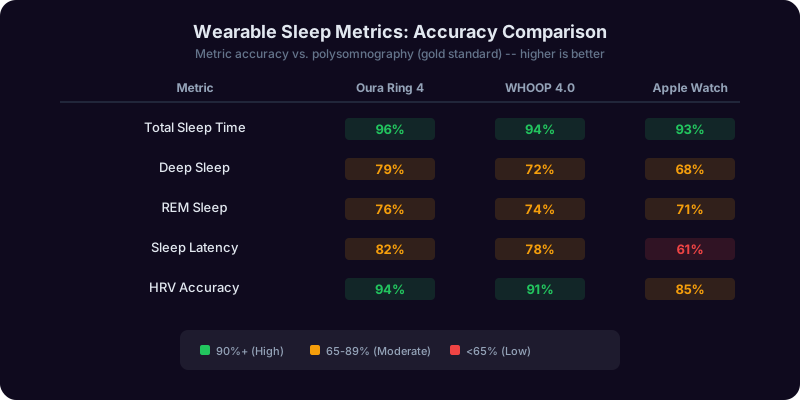
The gold standard for sleep measurement is polysomnography (PSG), which uses EEG electrodes to directly measure brain waves. Consumer wearables infer sleep stages from proxy signals: movement, heart rate, HRV, skin temperature, and blood oxygen. Their accuracy has inherent limitations.
| Metric | WHOOP 4.0 | Oura Ring Gen 3 | Apple Watch | Clinical Relevance |
| Total sleep time | Good (within 15-20 min) | Good (within 15-20 min) | Good (within 20 min) | Useful for tracking duration trends |
| Sleep onset / wake time | Good | Good | Good | Reliable for schedule consistency |
| Deep sleep (N3) | Moderate (overestimates) | Moderate | Moderate | Directional only; do not fixate on exact minutes |
| REM sleep | Moderate | Moderate | Moderate | Directional only; 30-40% agreement with PSG |
| Heart rate | Very good | Very good | Very good | Highly reliable for overnight trends |
| HRV | Very good | Very good | Good | Best indicator of recovery and autonomic balance |
| SpO2 (Blood Oxygen) | Good | Good | Good | Useful for screening sleep apnea patterns |
| Respiratory rate | Good | Good | Good | Baseline shifts can indicate illness before symptoms |
A 2022 validation study in Sleep found the Oura Ring was 79% accurate for detecting sleep stages overall. The WHOOP showed similar accuracy in a 2021 Journal of Sports Sciences study. The takeaway: these devices are reasonably accurate for total sleep time and efficiency, but specific stage durations are directional estimates, not precise measurements.
The Metrics That Actually Matter
1. Heart Rate Variability (HRV): Measures variation in time between heartbeats and reflects parasympathetic nervous system tone. Track your personal 30-day baseline rather than comparing to others. A consistent multi-day decline signals inadequate recovery, poor sleep, or overtraining.
2. Resting Heart Rate (RHR): Your lowest heart rate during sleep. A rising trend of 3-5 beats above baseline can indicate oncoming illness, accumulated stress, alcohol consumption, or overtraining. Highly reliable across all wearables.
3. Sleep Consistency: The regularity of your sleep and wake times. A 2024 study in Sleep found that sleep regularity was a stronger predictor of mortality risk than sleep duration. Same bedtime and wake time 7 days a week is one of the most powerful interventions available.
4. Sleep Efficiency: Percentage of time in bed spent sleeping. Healthy sleep efficiency is 85% or higher. If you spend 8 hours in bed but sleep only 6, your 75% efficiency indicates a problem with onset, maintenance, or both.
Avoiding Orthosomnia
A 2017 study in the Journal of Clinical Sleep Medicine coined the term orthosomnia to describe patients who developed insomnia from obsessing over sleep tracker data. To use wearables productively: check data in the morning, not before bed. Look at weekly trends, not individual nights. Use data to identify patterns ("my HRV drops 15% on nights I drink alcohol") rather than to grade each night. If reviewing sleep data causes anxiety, take a break from tracking. The Health Copilot can help you interpret wearable data in context and flag patterns that might warrant medical attention.
The Complete Sleep Hygiene Checklist: 20 Evidence-Based Practices Organized by Impact
Sleep hygiene refers to behavioral and environmental practices that promote consistent, high-quality sleep. A 2015 meta-analysis in Annals of Internal Medicine found that comprehensive sleep hygiene combined with behavioral strategies (Cognitive Behavioral Therapy for Insomnia, or CBT-I) was more effective than prescription sleep medications for chronic insomnia, with effects that persisted after treatment ended.
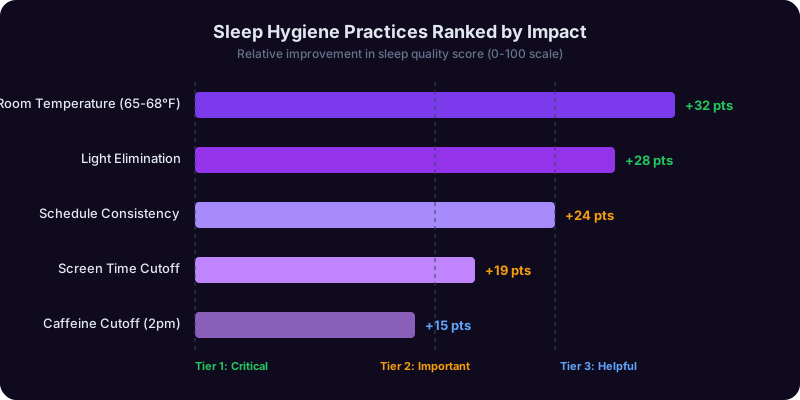
Tier 1: High-Impact Practices (Start Here)
- Maintain a consistent sleep schedule. Same bedtime and wake time every day, including weekends. A 2024 study in Sleep found sleep regularity was a stronger predictor of all-cause mortality than sleep duration. Allow no more than 30-minute variation on weekends.
- Get morning sunlight within 30-60 minutes of waking. 10-15 minutes of direct outdoor light (20-30 on cloudy days). This anchors your circadian rhythm and determines melatonin onset 14-16 hours later.
- Keep your bedroom cool: 65-68 degrees Fahrenheit (18-20 degrees Celsius). Core body temperature must drop 1-2 degrees for sleep initiation.
- Make your bedroom completely dark. Use blackout curtains, cover LED lights, remove all light sources. Even dim light (5 lux) disrupts sleep architecture and suppresses melatonin.
- Set a caffeine cutoff 8-10 hours before bed. For most people, no caffeine after 1-2 PM.
- Reserve the bed for sleep and intimacy only. Do not work, scroll, or eat in bed. This stimulus control trains your brain to associate the bed with sleep.
Tier 2: Moderate-Impact Practices (Add Next)
- Dim lights 2-3 hours before bed. Switch to warm-toned lighting (2700K or lower). Use night mode on all screens.
- Stop eating 2-3 hours before bed. Digestion raises core temperature. A small tryptophan-containing snack (tart cherry juice, walnuts) is acceptable.
- Take a warm bath or shower 90 minutes before bed. Accelerates core temperature decline; reduces sleep onset latency by an average of 10 minutes.
- Avoid alcohol within 3-4 hours of bedtime. Even moderate alcohol reduces sleep quality by 24% and fragments the second half of the night.
- Put screens away 30-60 minutes before bed. Replace with reading, gentle stretching, journaling, or relaxation exercises.
- Use white noise or earplugs in noisy environments. A 2021 study in Sleep Medicine found white noise reduced sleep onset latency and nighttime awakenings. Pink noise may specifically enhance deep sleep.
- Finish vigorous exercise at least 2 hours before bed.
Tier 3: Refinement Practices (Fine-Tuning)
- Practice a consistent pre-sleep wind-down routine. 20-30 minutes of calming activities in the same sequence each night creates a conditioned relaxation response.
- Try the 4-7-8 breathing technique or progressive muscle relaxation once in bed. Both activate the parasympathetic nervous system.
- Journal before bed if racing thoughts are a problem. A 2018 study in the Journal of Experimental Psychology found that writing a to-do list for the next day reduced sleep onset latency by 9 minutes.
- Consider magnesium glycinate (200-400 mg) 30-60 minutes before bed. Especially useful if you are among the 50% of Americans who are magnesium insufficient.
- Avoid clock-watching. Turn clocks away from the bed. Checking the time when awake at night increases anxiety and delays return to sleep.
- If you cannot fall asleep within 20 minutes, get up. Do a quiet activity in dim light until drowsy, then return to bed. This prevents associating the bed with frustration.
- Keep a consistent light dinner routine. Heavy, spicy, or acidic meals close to bedtime disrupt sleep.
Start with Tier 1 for 2 weeks, then add Tier 2, then Tier 3. Track subjective sleep quality and wearable data to identify which changes produce the most noticeable improvements. The Wellness Copilot can help you build a personalized implementation plan. For journaling as a wind-down tool, see our AI journaling for mental health guide.
When Self-Optimization Is Not Enough: Sleep Disorders, Red Flags, and When to See a Doctor
The strategies in this guide will meaningfully improve sleep for most people. But for an estimated 50-70 million American adults living with a clinical sleep disorder, behavioral optimization alone is insufficient. Sleep disorders are among the most underdiagnosed medical conditions: up to 80% of sleep apnea cases go undiagnosed, according to the American Academy of Sleep Medicine.
Red Flags That Warrant Medical Evaluation
- You snore loudly, gasp, or stop breathing during sleep (reported by a bed partner or flagged by a wearable showing SpO2 dips below 90%). Hallmarks of obstructive sleep apnea (OSA), affecting approximately 25 million Americans.
- You sleep 7-9 hours but feel persistently unrefreshed. May indicate sleep apnea, upper airway resistance syndrome, or periodic limb movement disorder.
- You cannot fall asleep within 30 minutes most nights despite consistent sleep hygiene for 4 or more weeks.
- You wake up 3 or more times per night regularly and cannot return to sleep within 15-20 minutes.
- Excessive daytime sleepiness impairing work, driving, or functioning despite adequate sleep. May indicate narcolepsy or inadequately treated sleep apnea.
- Restless legs or involuntary leg movements worsening in the evening. RLS affects 7-10% of the U.S. population.
- Uncontrollable daytime sleep episodes, sudden muscle weakness with emotions (cataplexy), or vivid hallucinations at sleep onset. These suggest narcolepsy.
- Unusual sleep behaviors: sleepwalking, acting out dreams, or sleep eating. May indicate REM sleep behavior disorder.
Common Sleep Disorders and Treatment Options
| Disorder | Prevalence | Key Symptoms | Primary Treatment |
| Obstructive Sleep Apnea | 25 million adults | Snoring, gasping, daytime sleepiness, morning headaches | CPAP therapy, oral appliances, weight loss, positional therapy |
| Chronic Insomnia | 30 million adults | Difficulty falling or staying asleep 3+ nights/week for 3+ months | CBT-I (first-line), medications (second-line) |
| Restless Leg Syndrome | 12 million adults | Urge to move legs, worse at rest and evening | Iron supplementation (if ferritin low), dopaminergic agents, gabapentin |
| Narcolepsy | 200,000 adults | Excessive daytime sleepiness, cataplexy, sleep paralysis | Scheduled naps, stimulant medications, sodium oxybate |
| Circadian Rhythm Disorders | 3-10% of population | Sleep timing misaligned with desired schedule | Light therapy, melatonin timing, chronotherapy |
| Periodic Limb Movement Disorder | 4-11% of adults | Repetitive leg movements during sleep, fragmented sleep | Dopaminergic agents, gabapentin, iron if deficient |
CBT-I: The Gold Standard for Insomnia
Cognitive Behavioral Therapy for Insomnia (CBT-I) is recommended by the NIH, the American College of Physicians, and the American Academy of Sleep Medicine as the first-line treatment for chronic insomnia, ahead of medication. A 2015 meta-analysis in Annals of Internal Medicine found that CBT-I produced clinically significant improvements with effects persisting at 6-12 month follow-up. Unlike sleeping pills, CBT-I addresses root causes.
CBT-I typically involves 4-8 sessions: sleep restriction therapy (limiting time in bed to match actual sleep time, then gradually extending), stimulus control, cognitive restructuring, and relaxation training. It can be delivered in person, via telehealth, or through validated digital programs like Insomnia Coach (free, from the VA) and SHUTi.
At-Home Sleep Apnea Testing
If sleep apnea is suspected, your doctor may order a home sleep apnea test (HSAT) rather than requiring an in-lab study. HSATs are cheaper, more convenient, and have good sensitivity for moderate-to-severe OSA. They typically involve a small sensor on your finger and a nasal cannula for one night.
The Health Copilot can help you evaluate whether your symptoms warrant medical attention and prepare questions for a sleep specialist. If anxiety contributes to your sleep problems, our complete guide to reducing anxiety naturally addresses the anxiety-insomnia cycle in detail.
How Copilotly Helps You Sleep Better: AI-Guided Sleep Optimization in Practice
Optimizing sleep involves tracking multiple variables, identifying personal patterns, and adjusting protocols based on results. This is exactly the type of complex, personalized problem where AI assistance provides the most value. Copilotly's suite of health and wellness copilots can serve as your always-available sleep optimization partner, helping you implement the evidence-based strategies in this guide and adapt them to your specific needs.
Personalized Sleep Protocol Design
Everyone's sleep challenges are different. A new parent dealing with fragmented sleep has fundamentally different needs than a shift worker fighting circadian misalignment, or a college student with delayed sleep phase syndrome. The Health Copilot can help you identify which strategies are most relevant to your situation and build a prioritized implementation plan. Describe your sleep patterns, share your wearable data trends, and explain your constraints, and it will suggest which Tier 1 practices to implement first, which supplements might be worth trying, and when your symptoms suggest you should see a doctor rather than continuing to self-optimize.
Wearable Data Interpretation
If you use a WHOOP, Oura Ring, Apple Watch, or other sleep tracker, the Health Copilot can help you make sense of the data without falling into orthosomnia. Rather than fixating on a single night's deep sleep number, it helps identify meaningful trends: Is your HRV declining over weeks? Does your resting heart rate spike after alcohol consumption? Is your sleep efficiency below 85%? These pattern-level insights are far more actionable than individual data points.
Supplement Guidance and Safety Checks
Navigating the supplement landscape is confusing, and potential interactions with medications make it important to have a knowledgeable resource. The Health Copilot can help you evaluate whether magnesium glycinate or L-threonate is more appropriate, explain why your current melatonin dose might be too high, and flag interactions between sleep supplements and medications you take. It always recommends consulting your healthcare provider for final supplementation decisions.
Building and Maintaining Sleep Routines
The Wellness Copilot specializes in daily routine optimization. It can help you design a wind-down routine that works with your schedule, set up reminder systems for caffeine cutoff times, and create accountability structures for maintaining sleep consistency. Having an AI partner that checks in and adapts your plan reduces the friction of behavior change.
Stress and Anxiety Management for Sleep
For many people, the primary barrier to sleep is psychological: racing thoughts, worry, and the inability to turn off the brain at night. The Mental Health Copilot can guide you through pre-sleep cognitive techniques like thought dumping, progressive muscle relaxation, and the 4-7-8 breathing method. If anxiety is a persistent barrier, it can help you explore whether CBT-I or therapy might be the next appropriate step.
Integration with Other Health Goals
Sleep does not exist in isolation. It affects and is affected by exercise, nutrition, stress, and medical conditions. Copilotly's interconnected copilot ecosystem addresses sleep as part of a holistic health strategy:
- The Health Copilot connects sleep optimization with overall health management, helping you understand how sleep quality affects blood pressure, blood sugar regulation, and immune function
- The Wellness Copilot builds daily routines incorporating sleep hygiene alongside exercise timing, meal planning, and stress management
- The Mental Health Copilot addresses the anxiety, stress, and cognitive patterns that prevent quality sleep
All tools are available at copilotly.com/copilots and provide personalized, evidence-based guidance without replacing professional medical care.
Disclaimer: Copilotly provides AI-powered health information and guidance, not medical diagnoses or treatment. The information in this guide is for educational purposes. Always consult a qualified healthcare provider for medical decisions, especially regarding sleep disorders, medication interactions, and persistent health concerns. If you are experiencing a medical emergency, call 911.
Frequently asked questions
How many hours of sleep do I actually need, and does it change with age?
Is it better to take magnesium glycinate or magnesium threonate for sleep?
Why do I wake up at 3 AM every night and cannot fall back asleep?
How accurate are Oura Ring and WHOOP for tracking deep sleep and REM sleep?
Does melatonin lose effectiveness over time, and can I become dependent on it?
How does alcohol really affect sleep, even in small amounts?
What is the best time to exercise for better sleep, and can late workouts hurt sleep?
Can napping during the day ruin nighttime sleep, or is it beneficial?
Get help with this from the Health & Medical Copilot
Describe your situation and get specific, actionable guidance - not the generic hedging a general-purpose chatbot gives you on health & medical questions.
Free plan, no card. Pro from $4.99/week for every copilot across all 20 domains - about what one hour with any single professional costs per year.
Not a medical providerThis is health information, not medical advice. Always consult your healthcare provider.