

Why Understanding Your Blood Test Results Matters
Most people glance at their blood test results, see "normal" or "high" next to a few numbers, and move on. That is a missed opportunity. As MedlinePlus (NIH) explains, understanding your lab tests empowers you to participate actively in your healthcare. Your blood work is the most objective snapshot of your internal health, and understanding it puts you in a far better position to catch problems early, ask informed questions, and take control of your well-being.
Consider this: a study published in the Journal of General Internal Medicine found that up to 7% of abnormal lab results are never followed up on by the ordering physician. That is not because doctors are careless. It is because systems are imperfect, patients fall through cracks, and results sometimes get filed without review. If you understand your own results, you become your own safety net.
Blood tests also reveal trends over time that single readings miss. A fasting glucose of 99 mg/dL is technically normal, but if it was 85 two years ago and 92 last year, you are trending toward prediabetes. Your doctor may not flag it because each individual result is within range. But when you track your own numbers, the pattern becomes obvious.
Understanding your results also helps you have better conversations with your doctor. For example, if blood pressure numbers concern you, see our guide on how to lower blood pressure naturally. Instead of nodding along when they say "your cholesterol is a little high," you can ask specific questions: Is it my LDL or triglycerides? What is my LDL particle count? Should I retest in 3 months or 6? This level of engagement leads to better care.
The Lab Results Copilot can help you interpret specific values from your own blood work and explain what they mean in context. But this guide will give you the foundation to understand the most common panels and markers you will encounter.
This is general health information, not medical advice. Always consult a healthcare professional for interpretation specific to your situation.
Complete Blood Count (CBC) Explained
The CBC is the most commonly ordered blood test. The Mayo Clinic provides detailed reference ranges. It measures the cells circulating in your blood and can reveal infections, anemia, clotting disorders, and even some cancers. Here are the key components:
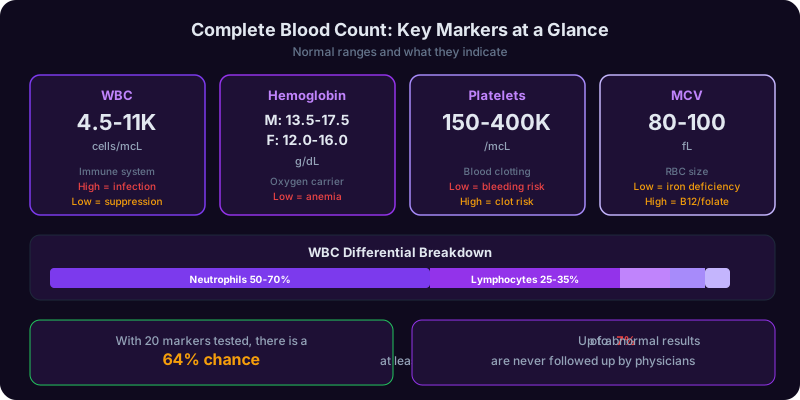
| Marker | Normal Range | What It Measures |
| White Blood Cells (WBC) | 4,500 - 11,000 cells/mcL | Immune system activity |
| Red Blood Cells (RBC) | Men: 4.7 - 6.1 M/mcL Women: 4.2 - 5.4 M/mcL | Oxygen-carrying capacity |
| Hemoglobin (Hgb) | Men: 13.5 - 17.5 g/dL Women: 12.0 - 16.0 g/dL | Oxygen-carrying protein in RBCs |
| Hematocrit (Hct) | Men: 38.3% - 48.6% Women: 35.5% - 44.9% | Percentage of blood that is RBCs |
| Platelets | 150,000 - 400,000/mcL | Blood clotting ability |
| MCV (Mean Corpuscular Volume) | 80 - 100 fL | Average size of red blood cells |
WBC count is your immune system indicator. A high count (above 11,000) often signals infection, inflammation, or stress. Extremely high counts can indicate leukemia. A low count (below 4,500) can mean bone marrow problems, autoimmune disorders, or medication side effects. For more on recognizing infection symptoms, see our guide on flu vs cold vs COVID symptoms.
Hemoglobin and hematocrit work together to show whether you are anemic. Low hemoglobin means your blood carries less oxygen, which explains fatigue, shortness of breath, and dizziness. Iron deficiency is the most common cause, especially in women of childbearing age. The MCV helps your doctor determine the type of anemia. A low MCV suggests iron deficiency. A high MCV suggests vitamin B12 or folate deficiency.
Platelets control clotting. Low platelets (thrombocytopenia) increase bleeding risk. High platelets can increase clot risk. Both warrant follow-up testing to determine the cause.
The CBC also includes a differential, which breaks down your white blood cells into five types: neutrophils, lymphocytes, monocytes, eosinophils, and basophils. Each type responds to different threats. Elevated neutrophils suggest bacterial infection. Elevated lymphocytes suggest viral infection. Elevated eosinophils can indicate allergies or parasitic infection.
Metabolic Panel (CMP/BMP) Explained
The metabolic panel checks your blood sugar, electrolytes, and organ function. A Basic Metabolic Panel (BMP) includes 8 tests. A Comprehensive Metabolic Panel (CMP) includes those 8 plus 6 additional liver-related tests (14 total). The CDC's diabetes overview explains why blood sugar monitoring is critical for the 96 million Americans with prediabetes. Here are the key markers:
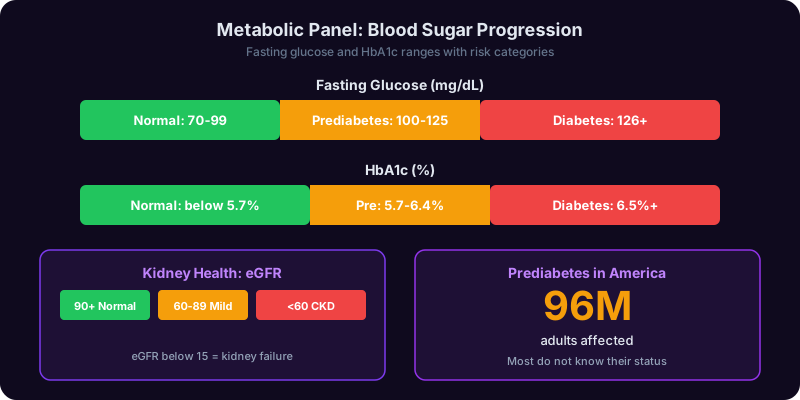
| Marker | Normal Range | What It Tells You |
| Glucose (fasting) | 70 - 99 mg/dL | Blood sugar level |
| BUN (Blood Urea Nitrogen) | 7 - 20 mg/dL | Kidney function |
| Creatinine | Men: 0.7 - 1.3 mg/dL Women: 0.6 - 1.1 mg/dL | Kidney function |
| Sodium | 136 - 145 mEq/L | Fluid balance |
| Potassium | 3.5 - 5.0 mEq/L | Heart and muscle function |
| Calcium | 8.5 - 10.5 mg/dL | Bone health, nerve function |
| CO2 (Bicarbonate) | 23 - 29 mEq/L | Acid-base balance |
Fasting glucose is one of the most important numbers on your panel. A result of 100-125 mg/dL means prediabetes. At 126 mg/dL or higher (on two separate tests), you meet the diagnostic criteria for type 2 diabetes. About 96 million American adults have prediabetes. For more on recognizing early warning signs, see our guide to early diabetes symptoms, and for understanding long-term blood sugar control, see our complete A1C levels guide. Most people with prediabetes do not know it. If your fasting glucose is creeping up year over year, that is a signal to act before you cross the threshold.
Your doctor may also order Hemoglobin A1c (HbA1c), which reflects your average blood sugar over the past 2-3 months. Normal is below 5.7%. Prediabetes is 5.7-6.4%. Diabetes is 6.5% or higher. This test does not require fasting and gives a more complete picture than a single glucose reading.
BUN and creatinine measure how well your kidneys filter waste. Both numbers rising together usually indicates declining kidney function. The eGFR (estimated Glomerular Filtration Rate), calculated from creatinine, is the best single number for kidney health. An eGFR above 90 is normal. Below 60 for three months or more indicates chronic kidney disease.
Electrolytes (sodium, potassium, chloride, CO2) must stay in tight ranges for your heart, muscles, and nerves to function properly. Abnormal potassium is the most dangerous. Levels above 5.5 or below 3.0 mEq/L can cause life-threatening heart rhythm problems. Certain blood pressure medications (ACE inhibitors, ARBs) can raise potassium, which is why regular monitoring is important if you take them.
If any markers are flagged, the Health Copilot can help you understand what they mean and what follow-up questions to ask your doctor.

Get Answers From the Lab Results Copilot
Upload your lab report to the Lab Results Copilot and get every marker explained in plain English - what's normal, what's flagged, and what questions to ask your doctor.
Lipid Panel (Cholesterol) Explained
The lipid panel measures fats in your blood. The American Heart Association provides updated guidance on cholesterol targets and is one of the primary tools for assessing cardiovascular risk. Here are the standard targets for adults:
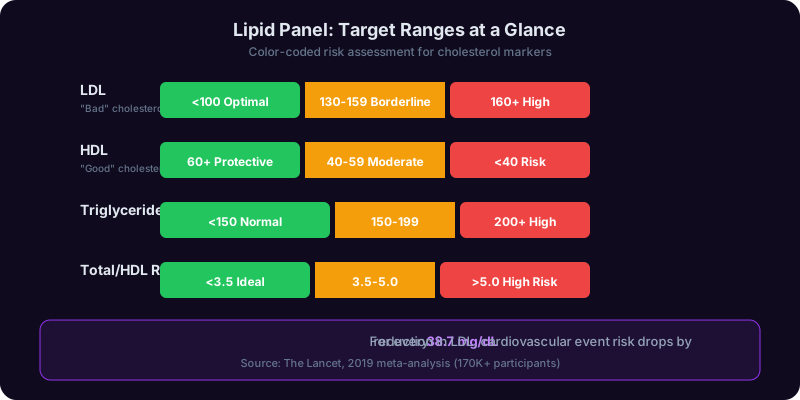
| Marker | Desirable | Borderline | High Risk |
| Total Cholesterol | Below 200 mg/dL | 200-239 mg/dL | 240+ mg/dL |
| LDL ("bad" cholesterol) | Below 100 mg/dL | 130-159 mg/dL | 160+ mg/dL |
| HDL ("good" cholesterol) | 60+ mg/dL | 40-59 mg/dL | Below 40 mg/dL |
| Triglycerides | Below 150 mg/dL | 150-199 mg/dL | 200+ mg/dL |
LDL cholesterol is the number most doctors focus on because it directly contributes to plaque buildup in your arteries. However, the optimal LDL target depends on your overall risk profile. For someone with no risk factors, below 130 mg/dL may be adequate. For someone with diabetes, heart disease history, or multiple risk factors, the target is often below 70 mg/dL. This is why context matters more than any single cutoff.
HDL cholesterol is protective. It removes LDL from your arteries and transports it back to your liver for disposal. An HDL below 40 mg/dL in men or below 50 mg/dL in women is an independent risk factor for heart disease, even if your LDL is normal. Regular aerobic exercise is the most reliable way to raise HDL. Studies show 150 minutes per week of moderate exercise can raise HDL by 5-10%.
Triglycerides are the most diet-responsive marker on your lipid panel. They spike after eating refined carbohydrates, sugar, and alcohol. A triglyceride level above 500 mg/dL puts you at risk for pancreatitis, a painful and potentially dangerous inflammation of the pancreas. If your triglycerides are elevated, the first intervention is always dietary: cut sugar, reduce refined carbs, limit alcohol, and increase omega-3 fatty acids from fish or supplements.
An increasingly important calculation is the Total Cholesterol/HDL ratio. Divide your total cholesterol by your HDL. A ratio below 3.5 is ideal. Above 5.0 significantly increases cardiovascular risk. This ratio often provides more actionable information than any individual number.
For strategies to improve your cholesterol numbers naturally, see our complete cholesterol-lowering guide. For ongoing cholesterol management, the Chronic Health Copilot can help you track trends and understand how lifestyle changes affect your numbers over time.
Thyroid Panel Explained
Your thyroid is a small butterfly-shaped gland in your neck that controls metabolism, energy, body temperature, heart rate, and weight. According to the American Thyroid Association, thyroid disorders affect an estimated 20 million Americans, and up to 60% of those with thyroid disease are unaware of their condition. The NIDDK (National Institute of Diabetes and Digestive and Kidney Diseases) provides comprehensive information on thyroid testing and what each marker means. Here are the key markers:
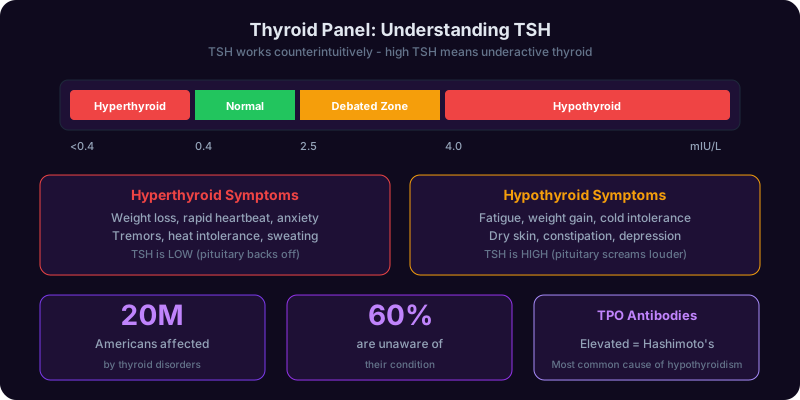
| Marker | Normal Range | What It Measures |
| TSH (Thyroid Stimulating Hormone) | 0.4 - 4.0 mIU/L | Pituitary signal to thyroid |
| Free T4 (Thyroxine) | 0.8 - 1.8 ng/dL | Main thyroid hormone |
| Free T3 (Triiodothyronine) | 2.3 - 4.2 pg/mL | Active thyroid hormone |
| TPO Antibodies | Below 35 IU/mL | Autoimmune thyroid disease |
TSH is the most commonly ordered thyroid test and works in a counterintuitive way. When your thyroid is underactive (hypothyroidism), your TSH goes up because your pituitary gland is sending louder signals to try to stimulate the thyroid. When your thyroid is overactive (hyperthyroidism), TSH goes down because the pituitary backs off.
A TSH above 4.0 mIU/L with symptoms like fatigue, weight gain, cold intolerance, dry skin, and constipation suggests hypothyroidism. This is the most common thyroid disorder and is treated with synthetic thyroid hormone (levothyroxine). A TSH below 0.4 mIU/L with symptoms like weight loss, rapid heartbeat, anxiety, tremors, and heat intolerance suggests hyperthyroidism. If you experience anxiety as a symptom, our guide on how to reduce anxiety naturally covers evidence-based coping strategies, though thyroid-driven anxiety requires treating the underlying thyroid condition.
There is significant debate about the "normal" TSH range. Many endocrinologists argue the upper limit should be 2.5 mIU/L rather than 4.0, especially for women trying to conceive (where optimal TSH is below 2.5). If your TSH is between 2.5 and 4.0 and you have symptoms, it is worth discussing further testing with your doctor.
Free T4 and Free T3 measure the actual hormones circulating in your blood. TSH can be normal while these are low (or vice versa), so a complete picture often requires all three. Some patients on thyroid medication feel better when their Free T3 is optimized, even if their TSH is in range.
TPO antibodies indicate Hashimoto's thyroiditis, the most common cause of hypothyroidism. Elevated TPO antibodies mean your immune system is attacking your thyroid. You can have elevated antibodies for years before your thyroid function actually declines, which makes it a useful early warning marker.
Liver and Kidney Markers
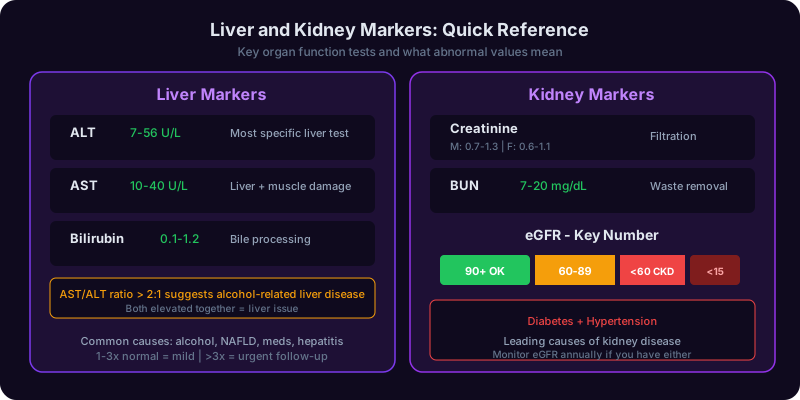
Liver and kidney markers appear on a Comprehensive Metabolic Panel (CMP) and are critical for catching organ damage early, especially if you take medications that stress these organs. The Cleveland Clinic provides a detailed breakdown of CMP components and what each marker reveals about organ function.
Liver Markers
| Marker | Normal Range | What It Means |
| ALT (Alanine Aminotransferase) | 7 - 56 U/L | Liver cell damage |
| AST (Aspartate Aminotransferase) | 10 - 40 U/L | Liver/muscle damage |
| ALP (Alkaline Phosphatase) | 44 - 147 U/L | Bile duct function |
| Bilirubin (Total) | 0.1 - 1.2 mg/dL | Bile processing |
| Albumin | 3.4 - 5.4 g/dL | Liver protein production |
ALT is the most specific liver enzyme. Elevated ALT almost always means something is irritating your liver. Common causes include alcohol consumption, fatty liver disease (NAFLD), hepatitis, and medications like statins, acetaminophen, and certain antibiotics. Mild elevations (1-3x normal) are common and often resolved by addressing the underlying cause. Elevations above 3x normal warrant urgent follow-up.
AST rises with liver damage but also with muscle damage, heart attack, and intense exercise. If both ALT and AST are elevated, it points to the liver. If only AST is elevated, consider non-liver causes. The AST/ALT ratio is useful: a ratio above 2:1 suggests alcohol-related liver disease.
Bilirubin is a yellow pigment produced when red blood cells break down. Elevated bilirubin causes jaundice (yellowing of skin and eyes). Mildly elevated bilirubin with otherwise normal liver enzymes often indicates Gilbert's syndrome, a harmless genetic condition affecting about 5-10% of the population.
Kidney Markers
| Marker | Normal Range | What It Means |
| Creatinine | Men: 0.7 - 1.3 mg/dL Women: 0.6 - 1.1 mg/dL | Kidney filtration |
| BUN | 7 - 20 mg/dL | Kidney waste removal |
| eGFR | Above 90 mL/min | Overall kidney function |
eGFR is the single most important kidney number. It estimates how many milliliters of waste your kidneys filter per minute. An eGFR of 60-89 with no other signs of kidney damage may be normal for older adults. Below 60 for three or more months indicates chronic kidney disease. Below 15 indicates kidney failure. If you have diabetes or hypertension, monitoring eGFR annually is essential, as these conditions are the leading causes of kidney disease. If you are managing high blood pressure alongside kidney concerns, see our guide on how to lower blood pressure naturally.
For personalized help understanding liver or kidney results, the Lab Results Copilot can walk you through your specific numbers.
What "Out of Range" Actually Means
Seeing a result flagged as "High" or "Low" on your lab report can trigger anxiety, but it is important to understand what reference ranges actually represent and why a flagged result does not automatically mean something is wrong.
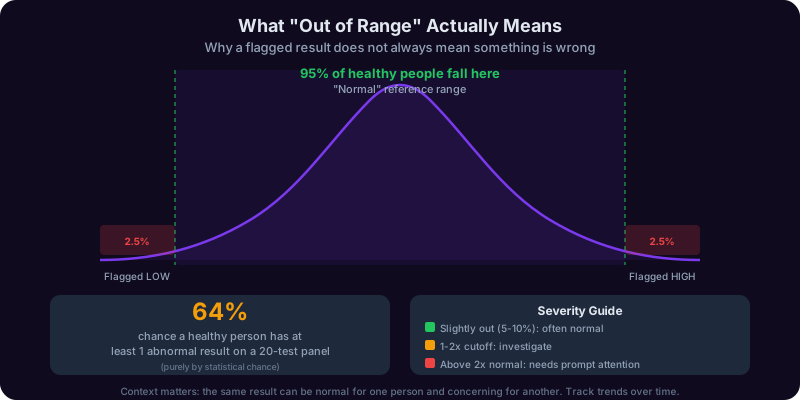
Reference ranges are established by testing a large group of healthy people and defining "normal" as the middle 95% of results. This means that by definition, 5% of perfectly healthy people will have at least one result outside the reference range on any given test. If your lab panel includes 20 markers (as a CMP does), there is a roughly 64% chance that at least one result will be flagged as abnormal purely by statistical chance.
Here is how to think about flagged results:
- Slightly out of range (within 5-10% of the cutoff): Often not clinically significant. A potassium of 5.1 mEq/L with a reference range of 3.5-5.0 is barely elevated and may simply reflect a slightly hemolyzed sample (blood cells broke during the draw). Your doctor will likely retest before acting.
- Moderately out of range (1-2x the cutoff): Worth investigating. This usually triggers repeat testing and possibly additional tests to determine the cause.
- Significantly out of range (more than 2x normal): Requires prompt attention. Your doctor should contact you directly rather than waiting for your next appointment.
Context matters enormously. A hemoglobin of 11.5 g/dL in a menstruating woman is mildly low and often related to iron status. The same result in a 60-year-old man is more concerning and warrants investigation. A creatinine of 1.4 mg/dL in a muscular 200-pound man may be his normal baseline. In a 120-pound woman, it could indicate kidney problems.
Other factors that affect results without indicating disease:
- Dehydration: Raises hemoglobin, hematocrit, BUN, and albumin
- Recent exercise: Raises AST, ALT, CK, and potassium
- Fasting status: Glucose and triglycerides are significantly higher after eating
- Medications: Statins can raise liver enzymes; diuretics affect electrolytes; biotin supplements can interfere with thyroid tests
- Time of day: Cortisol and testosterone have strong circadian patterns
The most valuable approach is tracking your results over time. A single snapshot is less useful than a trend. If your ALT has been 30-35 for years and suddenly jumps to 80, that is meaningful even though 80 is only mildly elevated. Ask your doctor's office for copies of all past lab work so you can build your own health record. If you cannot afford regular doctor visits to review your results, our guide on what to do when you cannot afford a doctor covers affordable lab testing options and community health resources.
Questions to Ask Your Doctor
Walking into a follow-up appointment with prepared questions transforms a passive experience into an active one. Here are the most important questions to ask when reviewing blood work:
- "Which results have changed since my last test?" Trends matter more than individual values. Ask your doctor to compare current results with your previous labs, not just against the reference range. A rising fasting glucose from 88 to 95 to 102 over three years is a trend that demands attention, even though only the last value is technically out of range.
- "Is this result concerning on its own, or only in combination with other markers?" Some abnormal results are benign in isolation but significant when paired with others. Elevated AST alone might be from your weekend gym session. Elevated AST plus elevated ALT plus elevated bilirubin points to a liver issue.
- "Do I need to retest, and if so, when?" A single abnormal result often needs confirmation. Ask your doctor whether retesting is appropriate and what timeline makes sense. Some markers fluctuate day to day (like white blood cells), while others are more stable (like HbA1c).
- "What can I do to improve this number before my next test?" Many markers respond to lifestyle changes. Triglycerides can drop 20-50% with dietary changes alone. Fasting glucose can improve with exercise and weight loss. Ask for specific, actionable recommendations rather than generic advice like "eat better."
- "Are there any additional tests you would recommend based on these results?" Standard panels do not cover everything. If your fasting glucose is 105, ask about an HbA1c. If your LDL is high, ask about an advanced lipid panel that measures LDL particle number. If your TSH is borderline, ask about Free T4 and TPO antibodies.
Do not hesitate to ask your doctor to explain anything you do not understand. Lab results exist for your benefit, and a good doctor welcomes informed patients who take an active role in their health. If a result triggers concern about needing urgent care, see our guide on when to go to the emergency room.
Between appointments, the Health Copilot can help you prepare questions based on your specific results, research lifestyle interventions for flagged markers, and understand what follow-up tests might be appropriate to request.
This is general health information, not medical advice. Always consult a healthcare professional for interpretation specific to your situation.
Frequently Asked Questions
Recommended Copilots
Recommended Copilots
Upload your blood test results and get a plain-English interpretation of every marker
Try Free →Ask follow-up questions about what your results mean for your health
Try Free →Track results over time and understand trends in your health markers
Try Free →Continue Exploring
Related Scenarios
For You
How It Works
Related Articles
Get Answers From the Lab Results Copilot
Upload your lab report to the Lab Results Copilot and get every marker explained in plain English - what's normal, what's flagged, and what questions to ask your doctor.