
Understanding the Gut Microbiome: 100 Trillion Bacteria Running Your Body
Your gastrointestinal tract harbors approximately 100 trillion microorganisms, collectively known as the gut microbiome. This ecosystem weighs roughly 2-5 pounds, contains over 1,000 distinct bacterial species, and encodes 150 times more genes than the entire human genome. These numbers are not abstract biology. They translate into direct, measurable effects on your digestion, immune function, metabolism, mood, and risk of chronic disease. A landmark 2019 study in Nature analyzing over 1,100 individuals found that microbiome composition predicted metabolic responses to food more accurately than genetics, meaning two people eating the same meal can have completely different blood sugar, inflammation, and fat storage responses depending on their gut bacteria.
The vast majority of gut bacteria reside in the large intestine (colon), where they ferment dietary fiber into short-chain fatty acids (SCFAs) such as butyrate, propionate, and acetate. These SCFAs are not waste products. Butyrate is the primary fuel source for colonocytes (the cells lining your colon), maintaining the integrity of the intestinal barrier. Propionate travels to the liver and regulates cholesterol synthesis and gluconeogenesis. Acetate enters systemic circulation and influences appetite regulation in the brain. When SCFA production is impaired due to low fiber intake or dysbiosis (microbial imbalance), the downstream effects touch virtually every organ system.
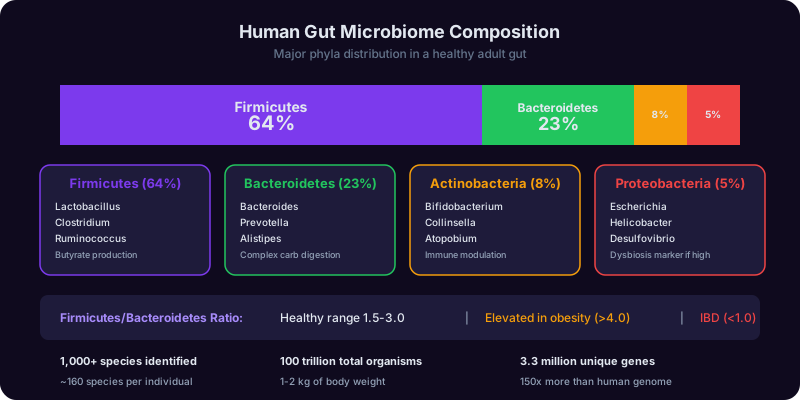
A healthy microbiome is characterized primarily by diversity, the number of different species present. Research from the National Institutes of Health Human Microbiome Project has consistently found that higher microbial diversity correlates with better health outcomes, while reduced diversity is associated with obesity, type 2 diabetes, inflammatory bowel disease, autoimmune conditions, depression, and even neurodegenerative diseases. The dominant phyla in a healthy gut include Firmicutes (60-70%), Bacteroidetes (20-30%), Actinobacteria (5-10%), and Proteobacteria (less than 5%). When Proteobacteria levels rise above 15%, it often signals dysbiosis and chronic inflammation.
Several factors shape your microbiome from birth onward. Vaginal delivery versus cesarean section, breastfeeding versus formula, antibiotic exposure in early childhood, and geographic environment all establish the foundational microbial community. However, research published in Cell Host & Microbe in 2023 demonstrated that diet accounts for roughly 57% of microbiome variation in adults, far exceeding the influence of genetics (approximately 12%). This is good news: it means you can meaningfully reshape your gut ecosystem through deliberate dietary choices, regardless of your starting point. Changes in microbiome composition can be detected within 24-48 hours of a major dietary shift, though sustained improvements require consistent dietary patterns maintained over weeks to months.
Your gut also houses approximately 70-80% of your immune cells. The gut-associated lymphoid tissue (GALT) constantly samples the contents of your intestine, distinguishing between beneficial bacteria, neutral food particles, and genuine threats like pathogens. A diverse, well-functioning microbiome trains the immune system to respond proportionally, attacking real threats while tolerating harmless substances. When this training goes wrong, whether from dysbiosis, antibiotic overuse, or chronic stress, the result can be inappropriate immune activation: food sensitivities, allergies, and autoimmune conditions. Understanding this connection is the first step toward using your diet as a tool for immune regulation.
This guide provides general health information based on published research and is not a substitute for professional medical advice. Always consult your physician or a qualified healthcare provider before making significant changes to your diet or supplement regimen, especially if you have existing medical conditions.
The Gut-Brain Axis: How Your Microbiome Shapes Mood, Anxiety, and Mental Health
The gut is sometimes called the "second brain," and the label is not hyperbole. The enteric nervous system (ENS), a complex network of 500 million neurons lining your gastrointestinal tract, communicates bidirectionally with the central nervous system via the vagus nerve, a superhighway of neural signals running from your brainstem to your abdomen. This gut-brain axis means that the state of your gut directly influences your mental health, and vice versa. A 2022 meta-analysis published in JAMA Psychiatry analyzing 34 randomized controlled trials found that probiotic and dietary interventions targeting the gut microbiome produced statistically significant improvements in depression and anxiety symptoms, with effect sizes comparable to some first-line pharmaceutical treatments.
The mechanisms behind this connection are increasingly well understood. Your gut bacteria produce or regulate the production of several critical neurotransmitters. Approximately 95% of the body's serotonin is manufactured in the gut, primarily by enterochromaffin cells influenced by the surrounding microbial environment. Specific bacterial species including Lactobacillus and Bifidobacterium produce gamma-aminobutyric acid (GABA), the brain's primary inhibitory neurotransmitter and a key regulator of anxiety. Other gut bacteria produce dopamine precursors, norepinephrine, and acetylcholine. When microbial diversity declines, so does the production of these neurotransmitters, creating a biological pathway from gut dysbiosis to mood disorders.
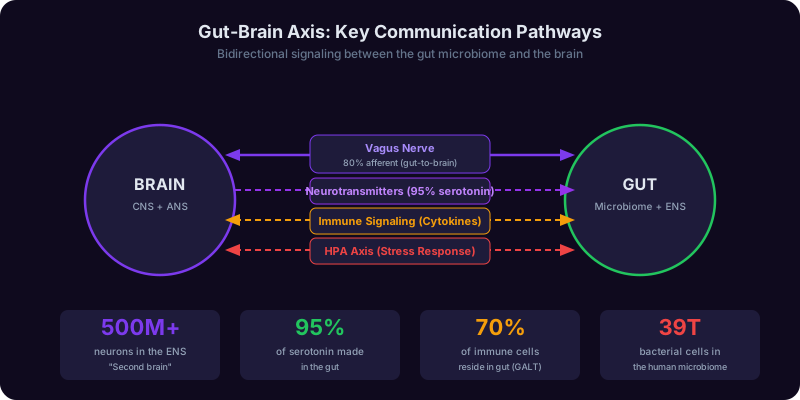
Beyond neurotransmitters, the gut-brain axis operates through three additional pathways. Immune signaling is one: gut dysbiosis increases intestinal permeability (often called "leaky gut"), allowing bacterial endotoxins like lipopolysaccharide (LPS) to enter the bloodstream. LPS triggers systemic inflammation, including neuroinflammation, which is now recognized as a core feature of depression. A 2023 study in Molecular Psychiatry found that patients with major depressive disorder had 46% higher circulating LPS levels and significantly reduced gut barrier integrity compared to healthy controls.
The neuroendocrine pathway involves the hypothalamic-pituitary-adrenal (HPA) axis, your body's stress response system. Chronic gut inflammation activates the HPA axis, raising cortisol levels, which in turn disrupts sleep, increases anxiety, promotes visceral fat storage, and further damages the gut lining, creating a self-reinforcing cycle. Germ-free mice (raised without gut bacteria) show exaggerated HPA axis responses to stress, which normalize after colonization with healthy bacteria, demonstrating that the microbiome directly calibrates stress reactivity.
The practical implications are significant. If you struggle with anxiety, depression, brain fog, or chronic stress, your gut may be both contributing to and maintaining these symptoms. Dietary interventions that restore microbial diversity and reduce intestinal permeability have shown measurable effects on mental health outcomes. A 2024 randomized controlled trial published in Nature Mental Health found that a Mediterranean-style diet rich in fiber, fermented foods, and omega-3 fatty acids improved depression scores by 32% over 12 weeks in adults with moderate depression, with improvements correlating directly with changes in fecal microbiome composition. For more on evidence-based approaches to managing anxiety through lifestyle changes, see our guide to reducing anxiety naturally.
The gut-brain connection also explains why gastrointestinal symptoms so frequently accompany mental health conditions. Up to 60% of people with IBS also meet criteria for an anxiety or mood disorder. The relationship is bidirectional: stress and anxiety worsen gut symptoms, and gut dysfunction worsens psychological distress. Addressing both simultaneously through diet, stress management, and targeted probiotics produces better outcomes than treating either in isolation. The Health Copilot can help you understand how your gut symptoms may connect to your mood and suggest integrated strategies that address both.
Fiber and Prebiotic Foods: Feeding Your Good Bacteria
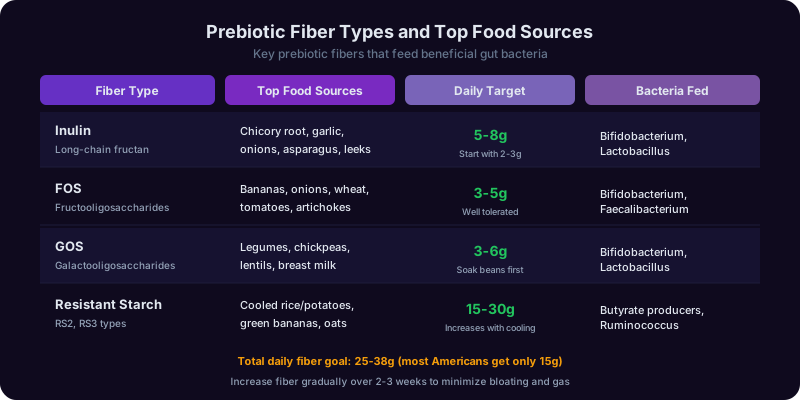
If there is a single dietary change with the most evidence supporting gut health improvement, it is increasing fiber intake. Dietary fiber is the primary fuel source for beneficial gut bacteria. When you eat fiber-rich foods, bacteria in your colon ferment the undigested fiber into short-chain fatty acids (SCFAs), which nourish the gut lining, regulate immune function, reduce inflammation, and signal satiety to the brain. The problem is that most people are severely fiber-deficient. The recommended daily intake is 25-38 grams, but the average American consumes only 15 grams per day, according to the NIH. This chronic fiber deficit has been called a "microbiome starvation" state, and it directly contributes to reduced microbial diversity and increased disease risk.
Not all fiber is created equal for gut health purposes. Prebiotic fibers are specific types of fiber that selectively feed beneficial bacteria, particularly Bifidobacterium and Lactobacillus species. The most well-studied prebiotic fibers include inulin (found in chicory root, garlic, onions, leeks, and asparagus), fructooligosaccharides or FOS (found in bananas, artichokes, and wheat), galactooligosaccharides or GOS (found in legumes and certain root vegetables), and resistant starch (found in cooked-then-cooled potatoes, green bananas, and oats). A 2023 meta-analysis in Gut Microbes found that prebiotic supplementation increased Bifidobacterium abundance by an average of 34% within 2-4 weeks.
The concept of plant diversity has emerged as equally important to total fiber quantity. A landmark study from the American Gut Project, analyzing over 10,000 participants, found that people who consumed 30 or more different plant species per week had significantly more diverse gut microbiomes than those eating 10 or fewer, regardless of whether they identified as vegan, vegetarian, or omnivore. "Plant species" includes vegetables, fruits, whole grains, legumes, nuts, seeds, herbs, and spices, so reaching 30 is more achievable than it sounds. A stir-fry with brown rice, broccoli, bell peppers, garlic, ginger, sesame seeds, and scallions counts as seven plant species in a single meal.
Here are the highest-impact prebiotic and high-fiber foods organized by category:
| Category | Foods | Fiber per Serving | Key Prebiotic |
| Legumes | Black beans, lentils, chickpeas | 13-15g per cup | GOS, resistant starch |
| Vegetables | Artichokes, garlic, onions, leeks, asparagus | 5-10g per serving | Inulin, FOS |
| Whole grains | Oats, barley, whole wheat, rye | 4-8g per serving | Beta-glucan, arabinoxylan |
| Fruits | Green bananas, apples, berries, kiwi | 3-5g per serving | FOS, pectin |
| Nuts and seeds | Almonds, flaxseed, chia seeds | 3-5g per oz | Varied fibers |
| Resistant starch | Cooked-then-cooled potatoes, green banana flour | 3-6g per serving | RS2 and RS3 |
Important: increase fiber gradually. Adding 20 grams of fiber overnight to a fiber-depleted gut will cause bloating, gas, and discomfort because the bacteria capable of fermenting that fiber are not yet abundant enough. Increase intake by roughly 5 grams per week over 4-6 weeks, drink adequate water (fiber absorbs water in the gut), and allow your microbiome time to adapt. Most people report significant reductions in bloating and gas once their gut bacteria have adjusted to the new fiber load, typically within 3-4 weeks. For more about managing stomach discomfort during dietary transitions, see our guide to common stomach pain causes.
The Nutrition Copilot can help you build a personalized high-fiber meal plan that gradually increases your daily intake while tracking your progress toward the 30-plant-species-per-week target. It can also suggest prebiotic-rich recipes matched to your taste preferences and dietary restrictions.

Get Answers From the Health Copilot
Tell the Health Copilot about your digestive symptoms, dietary goals, or probiotic questions and get personalized, evidence-based gut health strategies instantly.
Probiotics: Which Strains Actually Work and What the Evidence Says
The global probiotics market exceeded $65 billion in 2025, yet most consumers have no idea which strains to choose or whether the product they are buying has any clinical evidence behind it. The truth about probiotics is nuanced: certain strains have robust evidence for specific conditions, while many commercial products contain strains with little to no human research. Understanding strain-level specificity is essential because probiotic benefits are strain-specific, not species-specific. Lactobacillus rhamnosus GG has excellent evidence for diarrhea prevention, but a different strain of Lactobacillus rhamnosus may have no effect at all. The strain designation (the letters and numbers after the species name) is what matters.
Here are the probiotic strains with the strongest clinical evidence, organized by condition:
| Condition | Strain(s) | Evidence Level | Typical Dose |
| Antibiotic-associated diarrhea | Saccharomyces boulardii CNCM I-745 | Strong (multiple RCTs) | 250-500mg twice daily |
| IBS (global symptoms) | Bifidobacterium infantis 35624 | Strong (RCTs) | 1 billion CFU daily |
| IBS bloating | Lactobacillus plantarum 299v | Moderate (RCTs) | 10 billion CFU daily |
| General immune support | Lactobacillus rhamnosus GG | Strong (meta-analyses) | 10-20 billion CFU daily |
| Mood and anxiety | Lactobacillus helveticus R0052 + B. longum R0175 | Moderate (RCTs) | 3 billion CFU daily |
| Vaginal health | Lactobacillus rhamnosus GR-1 + L. reuteri RC-14 | Strong (RCTs) | 1-2 billion CFU daily |
| Infant colic | Lactobacillus reuteri DSM 17938 | Strong (multiple RCTs) | 100 million CFU daily |
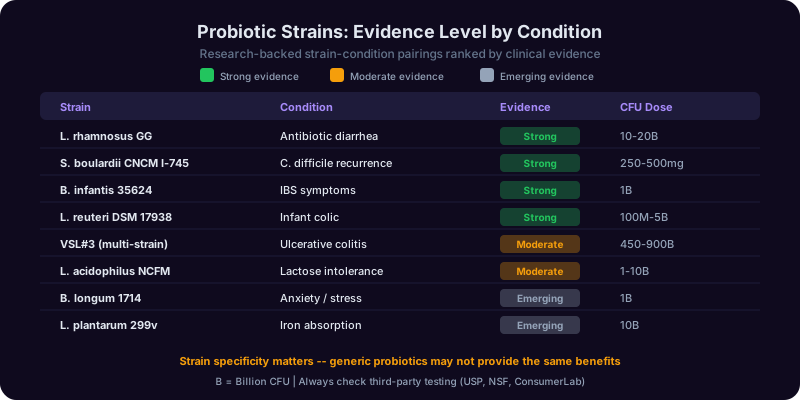
What to look for when buying probiotics: The label should list the full strain designation (genus, species, and strain identifier), the CFU count at time of expiration (not just at time of manufacture, since viability declines on the shelf), storage requirements, and independent third-party testing verification. Products that list only "Lactobacillus blend" or "probiotic complex" without strain-level detail are red flags. The American Gastroenterological Association has issued clinical guidelines that recommend specific strains only for specific conditions and explicitly advise against using probiotics as a general supplement without a targeted purpose.
Important limitations of probiotics: Most probiotic strains do not permanently colonize the gut. They exert their effects while being consumed and for a short period afterward (days to weeks), but populations typically return to baseline within 1-3 weeks of stopping supplementation. This means probiotics work more like a medication that requires ongoing use than a one-time fix. Additionally, a 2018 study in Cell by the Weizmann Institute found significant individual variation in probiotic colonization. Some participants were "permissive" (the probiotics engrafted in their gut), while others were "resistant" (the probiotics passed through without colonizing). Baseline microbiome composition predicted which group individuals fell into.
There is also a critical distinction between probiotics and fermented foods. Fermented foods like yogurt, kefir, sauerkraut, kimchi, and kombucha contain live microorganisms, but they are not probiotics in the clinical sense unless they contain specific strains at documented doses that have been shown to confer health benefits in human trials. That said, fermented foods offer broader gut health benefits through microbial diversity and metabolite exposure, which we cover in the next section. The practical takeaway: use targeted probiotic strains for specific conditions based on evidence, and consume fermented foods daily for general microbiome support.
Before starting any probiotic regimen, especially if you have a compromised immune system, are critically ill, or have a central venous catheter, consult your healthcare provider. In rare cases, probiotics can cause serious infections in immunocompromised individuals.
Fermented Foods: The Microbiome Diversity Powerhouse
While probiotics target specific conditions with specific strains, fermented foods take a broader approach to gut health by delivering a diverse array of live microorganisms along with their metabolic byproducts, including organic acids, bioactive peptides, and vitamins. A groundbreaking 2021 randomized controlled trial published in Cell by Stanford researchers compared a high-fiber diet to a high-fermented-food diet over 10 weeks. The results were striking: the fermented food group showed a significant increase in overall microbiome diversity and a simultaneous decrease in 19 inflammatory markers, including IL-6, IL-10, and IL-12b. The high-fiber group did not show these same diversity gains during the study period, suggesting that fermented foods may be a faster route to microbiome diversification.
The key fermented foods with documented gut health benefits include:
- Kefir: A fermented milk drink containing 30-50 distinct bacterial and yeast strains, far more than yogurt. Kefir has been shown to improve lactose digestion even in lactose-intolerant individuals, reduce inflammatory markers, and improve gut barrier function. A 2024 study in Frontiers in Nutrition found that daily kefir consumption for 8 weeks increased Lactobacillus and Bifidobacterium populations by 25-40%.
- Sauerkraut (unpasteurized): Raw, fermented cabbage contains Lactobacillus plantarum, L. brevis, and Leuconostoc mesenteroides, plus fiber from the cabbage itself. The fermentation process also produces lactic acid, which lowers intestinal pH and creates an environment inhospitable to pathogenic bacteria. One serving (1/2 cup) provides roughly 1 billion CFU of live bacteria.
- Kimchi: Korean fermented vegetables provide similar benefits to sauerkraut but with additional antimicrobial and anti-inflammatory compounds from garlic, ginger, and chili pepper. A 2023 meta-analysis found that regular kimchi consumption was associated with reduced markers of metabolic syndrome.
- Yogurt (live cultures): The most studied fermented food. Look for products listing "live and active cultures" with at least Lactobacillus bulgaricus and Streptococcus thermophilus. Avoid flavored yogurts with added sugar (which can exceed 20g per serving and negate gut benefits). Plain, full-fat or 2% yogurt with no added sweeteners is the best choice.
- Miso and tempeh: Fermented soy products that provide beneficial bacteria along with bioavailable plant protein, B vitamins, and isoflavones. Tempeh also contains significant prebiotic fiber that feeds existing gut bacteria.
- Kombucha: Fermented tea containing acetic acid bacteria and yeasts. Evidence for kombucha is more limited than for other fermented foods, but it does provide microbial diversity and organic acids. Choose brands with less than 5g of sugar per serving.
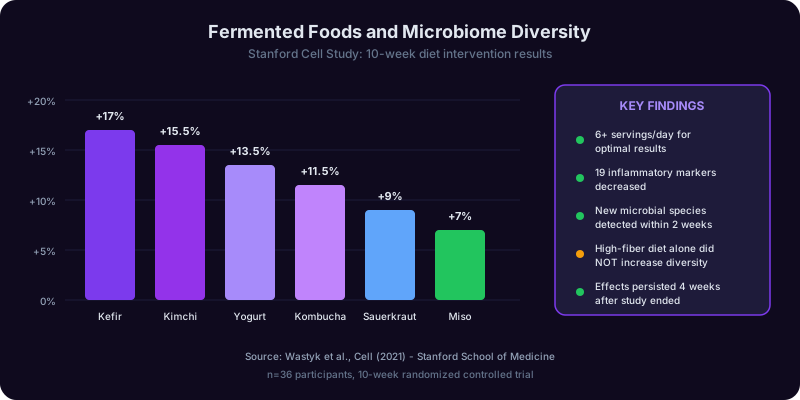
The Stanford study recommended consuming 6 or more servings of fermented foods per day for maximum microbiome diversity benefits. A practical daily schedule might include: kefir or yogurt at breakfast, a small portion of kimchi or sauerkraut with lunch, miso soup with dinner, and kombucha as an afternoon beverage. This sounds like a lot, but each "serving" can be small, a few tablespoons of kimchi, a half cup of yogurt, or 4 ounces of kefir.
Critical note on pasteurization: Heat-treated (pasteurized) fermented foods contain no live microorganisms. Shelf-stable sauerkraut, pasteurized kimchi, and vinegar-pickled vegetables do not provide probiotic benefits. Look for products labeled "raw," "unpasteurized," or "contains live cultures" stored in the refrigerated section. The live bacteria are the point. Pasteurized versions offer fiber and nutrients but not the microbial diversity that drives the gut health benefits described above.
For those looking to combine fermented food intake with a structured meal plan, our guide to AI meal planning explains how AI tools can incorporate fermented foods into your weekly plan while maintaining your calorie and macro targets. The Nutrition Copilot can suggest specific fermented food recipes and help you build a progressive fermentation schedule that starts manageable and ramps up over time.
Eliminating Gut Disruptors: Processed Foods, Antibiotics, NSAIDs, and Hidden Threats
Improving gut health is not only about adding beneficial foods. It also requires identifying and reducing factors that actively damage your microbiome and intestinal barrier. Research has identified several major gut disruptors, some obvious and some surprisingly common, that can undo the benefits of an otherwise healthy diet.
Ultra-processed foods are the single largest dietary threat to gut health. A 2024 study in The BMJ analyzing dietary data from over 200,000 participants found that every 10% increase in ultra-processed food consumption was associated with a 14% higher risk of inflammatory bowel disease and measurable reductions in microbial diversity. Ultra-processed foods damage the gut through multiple mechanisms: emulsifiers (polysorbate 80, carboxymethylcellulose) disrupt the mucus layer protecting the intestinal lining, artificial sweeteners alter microbiome composition within days of consumption, and the lack of fiber starves beneficial bacteria. A 2019 study in Nature found that the emulsifier carboxymethylcellulose directly thinned the intestinal mucus layer in human participants after just 11 days of consumption, increasing markers of gut inflammation.
Antibiotics are the most potent microbiome disruptors. A single course of broad-spectrum antibiotics can reduce gut bacterial diversity by 30-50% and eliminate entire species permanently. A 2018 longitudinal study in Nature Microbiology tracked microbiome recovery after antibiotic courses and found that while most bacterial populations recovered within 1-2 months, some species had not returned even 6 months later, and in some individuals, the pre-antibiotic microbiome composition was never fully restored. This does not mean you should refuse necessary antibiotics, they save lives. But it underscores the importance of targeted (narrow-spectrum) antibiotics when possible, concurrent probiotic use (Saccharomyces boulardii is the best-studied strain for preventing antibiotic-associated disruption), and aggressive post-antibiotic microbiome rehabilitation through fermented foods and prebiotic fiber.
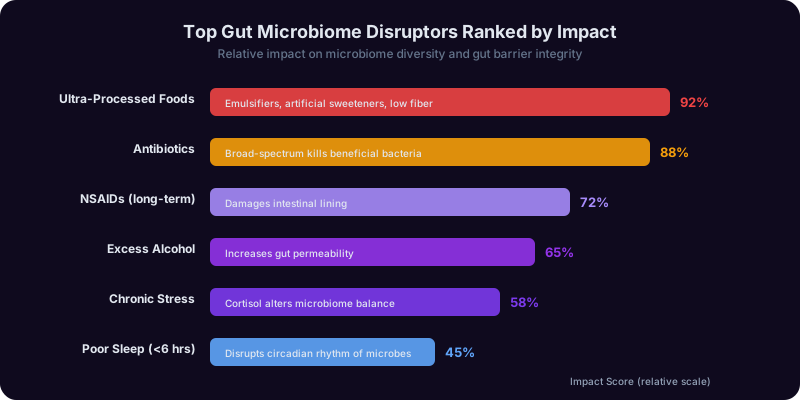
Non-steroidal anti-inflammatory drugs (NSAIDs) such as ibuprofen, naproxen, and aspirin increase intestinal permeability within hours of ingestion. A 2020 study in Gut found that regular NSAID use (3+ times per week) was associated with a 65% increase in markers of intestinal permeability and significant shifts in microbiome composition, including increased Proteobacteria (the phylum associated with dysbiosis and inflammation). Occasional NSAID use for acute pain is unlikely to cause lasting damage, but chronic daily use poses real risks to gut integrity. Discuss alternatives with your healthcare provider if you rely on NSAIDs regularly.
Additional gut disruptors include:
- Chronic alcohol consumption: Alcohol damages the gut lining, increases intestinal permeability, and reduces populations of Lactobacillus and Bifidobacterium. Even moderate drinking (1-2 drinks daily) produces measurable microbiome changes. Binge drinking causes acute increases in circulating endotoxins.
- Chronic psychological stress: Via the gut-brain axis, sustained stress reduces gut motility, increases intestinal permeability, and shifts microbiome composition toward pro-inflammatory species. The stress hormone cortisol directly impacts gut barrier function. See our anxiety reduction guide for stress management strategies.
- Inadequate sleep: Studies show that even 2 consecutive nights of poor sleep (less than 5 hours) reduce microbial diversity and alter the Firmicutes-to-Bacteroidetes ratio. For strategies to improve sleep, see our melatonin versus magnesium guide.
- Artificial sweeteners: Saccharin, sucralose, and aspartame have all been shown to alter gut microbiome composition in human studies. A 2022 Cell study found that saccharin and sucralose significantly impaired glucose tolerance in healthy adults, mediated through microbiome changes, within just 2 weeks of consumption.
The strategy is not to eliminate every disruptor perfectly but to reduce cumulative exposure. Replacing two ultra-processed meals per week with whole-food alternatives, choosing acetaminophen over ibuprofen when appropriate, managing stress actively, and prioritizing sleep all create a more favorable environment for your microbiome to thrive.
Gut Testing Services and Managing IBS, Bloating, and Autoimmune Conditions
The emergence of direct-to-consumer gut microbiome testing has given individuals unprecedented visibility into their microbial ecosystem. Services like Viome, ZOE, Ombre (formerly Thryve), and Flore analyze stool samples to characterize your microbiome composition and provide personalized dietary recommendations. But the clinical value of these tests varies significantly, and understanding their limitations is as important as understanding their capabilities.
Viome uses metatranscriptomic sequencing (RNA-based) rather than the more common 16S rRNA gene sequencing (DNA-based). This means Viome measures not just which organisms are present but which genes they are actively expressing, providing a functional snapshot of your microbiome's activity. Viome then maps this data to food recommendations, supplement suggestions, and prebiotic/probiotic recommendations. The cost runs approximately $150-250 per test, with subscription models offering retesting at lower prices. The main limitation is that Viome's proprietary algorithms have not been independently validated in peer-reviewed clinical trials at scale.
ZOE takes a different approach, combining microbiome analysis with continuous glucose monitoring and blood fat testing to predict individual metabolic responses to specific foods. The ZOE PREDICT study, published in Nature Medicine in 2020, demonstrated that personalized nutrition advice based on this multi-omic approach produced better metabolic outcomes than generic dietary guidelines. ZOE costs approximately $300-400 for the initial kit and test, with ongoing subscription access to personalized food scores.
Here is a practical comparison of the major gut testing services:
| Service | Testing Method | What It Measures | Cost Range | Best For |
| Viome | Metatranscriptomics (RNA) | Active gene expression, functional activity | $150-250 | Functional microbiome insights |
| ZOE | Shotgun metagenomics + CGM + blood fat | Microbiome, glucose response, fat metabolism | $300-400 | Personalized food scoring |
| Ombre | 16S rRNA sequencing | Bacterial species composition | $100-150 | Budget-friendly baseline test |
| Flore | Shotgun metagenomics | Species-level composition, functional pathways | $200-300 | Custom probiotic formulation |
Limitations of consumer gut tests: The American Gastroenterological Association published a clinical update in 2024 stating that consumer microbiome tests are not yet validated for diagnosing specific diseases or directing clinical treatment. Results can vary between testing companies analyzing the same sample, and "optimal" microbiome composition is not yet definitively established. These tests are best used as educational tools to identify general trends (low diversity, missing beneficial species, overrepresented pathogenic species) rather than as diagnostic instruments.
Gut health for specific conditions:
- IBS (Irritable Bowel Syndrome): Affects 10-15% of the global population. The low-FODMAP diet, developed at Monash University, is the most evidence-based dietary intervention for IBS, with 70-75% of patients reporting significant symptom improvement. FODMAPs (fermentable oligosaccharides, disaccharides, monosaccharides, and polyols) are short-chain carbohydrates that are poorly absorbed and rapidly fermented by gut bacteria, producing gas and drawing water into the intestine. The diet involves an elimination phase (2-6 weeks), a reintroduction phase, and a personalization phase. AI tools can be particularly helpful in navigating the complex food lists involved.
- Chronic bloating: Often caused by small intestinal bacterial overgrowth (SIBO), where bacteria colonize the upper small intestine where they do not belong. SIBO can be diagnosed via hydrogen and methane breath testing. Treatment typically involves targeted antibiotics (rifaximin) followed by dietary modification and prokinetic agents to prevent recurrence.
- Autoimmune conditions: Emerging research links increased intestinal permeability to autoimmune activation. A 2020 review in Frontiers in Immunology found that patients with rheumatoid arthritis, multiple sclerosis, type 1 diabetes, and lupus consistently show altered gut microbiome composition and increased intestinal permeability compared to healthy controls. While dietary interventions are not replacements for immunomodulatory therapy, restoring gut barrier integrity through fiber, fermented foods, and anti-inflammatory nutrients may serve as a complementary strategy. Always work with your rheumatologist or specialist before modifying treatment plans.
If you are experiencing persistent digestive symptoms, the first step is consulting a gastroenterologist for proper evaluation. Consumer gut tests can supplement but should not replace clinical assessment. For guidance on when digestive symptoms warrant professional evaluation, see our complete guide to stomach pain causes.
How Copilotly Helps You Improve and Maintain Gut Health
Gut health improvement is a long-term process that requires sustained dietary changes, strategic supplementation, and ongoing monitoring. Copilotly's browser-based AI copilots bring personalized gut health guidance directly into your workflow without requiring a separate app or subscription. The Health Copilot and Nutrition Copilot work together to help you understand your symptoms, build gut-supportive meal plans, and navigate the complex landscape of probiotics and testing services.
What the Health Copilot can do for gut health:
- Symptom assessment: Describe your digestive symptoms (bloating, irregular bowel habits, food sensitivities, acid reflux) and get guidance on potential causes, whether to seek medical evaluation, and which dietary modifications may help. The copilot can help you distinguish between symptoms that suggest IBS, SIBO, food intolerances, or conditions requiring urgent medical attention.
- Probiotic guidance: Ask which probiotic strains have evidence for your specific concern and get strain-level recommendations with dosing information, rather than generic "take a probiotic" advice. The copilot can also help you evaluate commercial probiotic products by checking whether their labels list documented strains at therapeutic doses.
- Gut test interpretation: If you have results from Viome, ZOE, or another gut testing service, the copilot can help you understand what the findings mean, which recommendations are well-supported by research, and which areas need further clinical evaluation.
- Medication interaction awareness: If you are taking antibiotics, NSAIDs, or other medications that affect gut health, the copilot can suggest concurrent protective strategies (like Saccharomyces boulardii during antibiotic courses) and post-treatment microbiome rehabilitation protocols.
What the Nutrition Copilot adds:
- High-fiber meal planning: Get a personalized meal plan that gradually increases your fiber intake from your current level toward the 25-38 gram daily target, with a focus on prebiotic-rich foods and plant diversity. The copilot tracks your weekly plant species count and suggests new ingredients to expand it toward the 30-species-per-week benchmark.
- Fermented food integration: Build a daily fermented food schedule that starts with 1-2 servings and ramps up to 6+, with specific product recommendations and recipes for homemade options like sauerkraut and kefir.
- Low-FODMAP navigation: If you are following a low-FODMAP diet for IBS, the copilot can generate FODMAP-compliant meal plans, guide you through the reintroduction phase, and help you build a personalized list of tolerated and trigger foods.
- Elimination diet support: Track symptoms during elimination diets, identify patterns between food intake and digestive responses, and systematically narrow down trigger foods.
The advantage of using an AI copilot for gut health is the ability to ask specific, contextual questions as they arise. When you are reading a probiotic label in a store, you can ask the copilot to verify the strains. When you are browsing a restaurant menu, you can ask which options are low-FODMAP or high in prebiotic fiber. When you read a new study about the microbiome, you can ask the copilot to explain whether it changes current recommendations. The AI comes to you in the context where you need it.
Gut health is foundational. When your microbiome is functioning well, you digest food more efficiently, absorb nutrients more completely, maintain a stronger immune defense, sleep better, and experience more stable mood and energy levels. The strategies in this guide, increasing fiber and plant diversity, consuming fermented foods daily, using targeted probiotics when appropriate, eliminating major gut disruptors, and monitoring your progress, represent the evidence-based path to a healthier gut and, by extension, a healthier life.
Copilotly provides general health information and dietary guidance. It is not a substitute for professional medical advice from a physician, gastroenterologist, or registered dietitian. If you are experiencing persistent or severe digestive symptoms, please seek clinical evaluation before relying solely on dietary modifications.
Frequently Asked Questions
Recommended Copilots
Recommended Copilots
Get personalized guidance on digestive symptoms, probiotic strain selection, gut test interpretation, and how gut health connects to your overall wellness
Try Free →Build high-fiber meal plans with prebiotic foods, integrate fermented foods into your diet, and navigate low-FODMAP or elimination diets with AI support
Try Free →Continue Exploring
For You
Related Articles
Get Answers From the Health Copilot
Tell the Health Copilot about your digestive symptoms, dietary goals, or probiotic questions and get personalized, evidence-based gut health strategies instantly.