
Understanding Blood Pressure Numbers and the 2025 AHA Guidelines
Blood pressure is recorded as two numbers: systolic (the top number, measuring pressure when your heart beats) over diastolic (the bottom number, measuring pressure when your heart rests between beats). Both numbers matter, but systolic pressure becomes the dominant risk factor after age 50 as arteries stiffen with age.
The American Heart Association updated its hypertension guidelines in 2017 and reaffirmed them through 2025, lowering the threshold for high blood pressure from the previous 140/90 mmHg to 130/80 mmHg. This single change reclassified an additional 31 million Americans as having hypertension. Here is how the current categories break down:
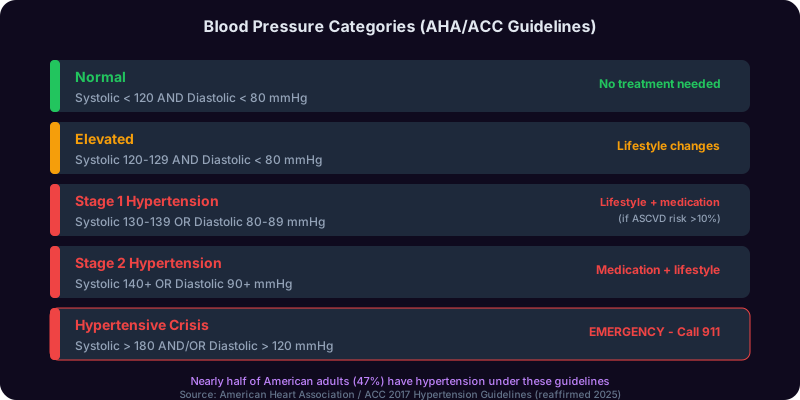
The distinction between "elevated" and "Stage 1" matters because it determines treatment approach. If you fall in the elevated range (120-129 systolic), the AHA recommends lifestyle changes alone. At Stage 1 (130-139/80-89), medication is recommended only if you have a 10-year cardiovascular risk above 10% or existing cardiovascular disease. At Stage 2 (140+/90+), medication is typically prescribed alongside lifestyle modifications.
Your 10-year cardiovascular risk is calculated using the ACC/AHA Pooled Cohort Equations, which factor in age, sex, race, total cholesterol, HDL cholesterol, systolic blood pressure, diabetes status (learn about A1c levels and diabetes), and smoking status. A score above 10% means your risk of a heart attack or stroke in the next decade is significant enough to warrant drug therapy even at Stage 1 readings.
One critical point: a single elevated reading does not mean you have hypertension. Blood pressure fluctuates throughout the day based on stress, caffeine, physical activity, and even the conversation you are having while being measured. A diagnosis requires elevated readings on at least two separate occasions, ideally using ambulatory (24-hour) or home monitoring to rule out white coat hypertension, which affects up to 30% of patients.
Understanding your numbers is the first step toward managing them. If you need help interpreting your blood pressure readings over time, the Lab Results Copilot can track your trends and explain what patterns in your readings mean. For a broader understanding of how blood pressure fits into your overall health picture, see our guide on how to read your blood test results.
This is general health information, not medical advice. Always consult a healthcare professional.
The DASH Diet: The Most Proven Dietary Approach to Lowering Blood Pressure
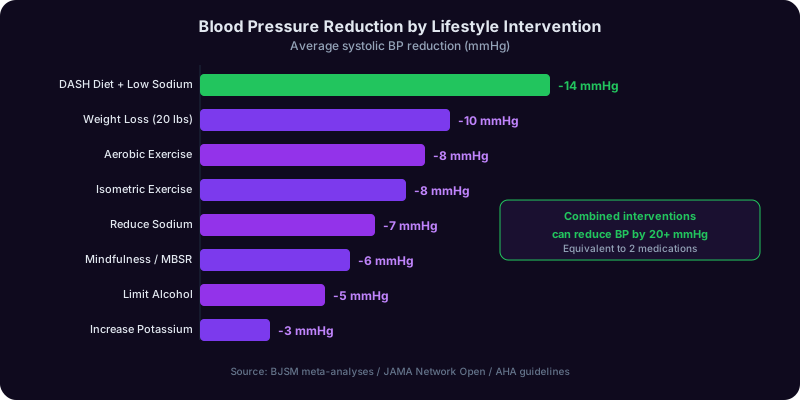
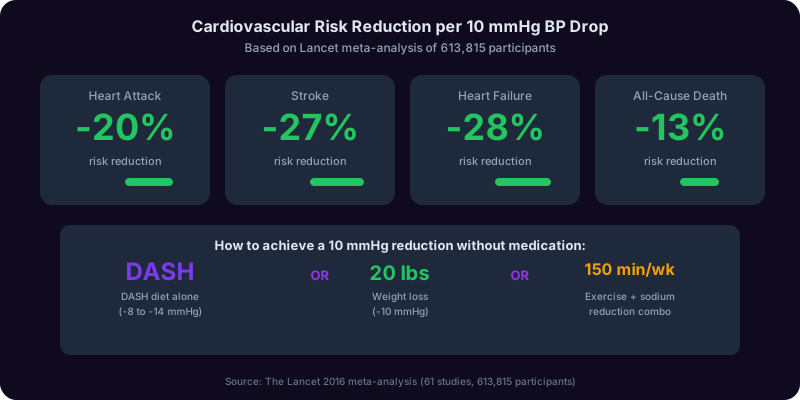
The DASH diet (Dietary Approaches to Stop Hypertension) is the single most studied dietary intervention for blood pressure. Developed by the National Heart, Lung, and Blood Institute, it has been tested in multiple large-scale clinical trials and consistently lowers systolic blood pressure by 8-14 mmHg. That reduction is comparable to a single blood pressure medication.

The DASH diet is not a fad. It has been ranked the #1 overall diet by U.S. News & World Report for multiple consecutive years. Its effectiveness comes from a specific combination of nutrients: high potassium, high calcium, high magnesium, high fiber, and low sodium. Here is what a daily DASH eating plan looks like for a 2,000-calorie diet:
| Food Group | Daily Servings | Examples |
| Grains | 6-8 | Whole wheat bread, brown rice, oatmeal |
| Vegetables | 4-5 | Broccoli, spinach, sweet potatoes, tomatoes |
| Fruits | 4-5 | Bananas, oranges, berries, apples |
| Low-fat dairy | 2-3 | Skim milk, low-fat yogurt, part-skim cheese |
| Lean protein | 6 or fewer ounces | Chicken breast, fish, beans, lentils |
| Nuts/seeds/legumes | 4-5 per week | Almonds, walnuts, kidney beans, sunflower seeds |
| Fats/oils | 2-3 | Olive oil, avocado (limit saturated fat) |
| Sweets | 5 or fewer per week | Low-fat frozen yogurt, fruit sorbet |
Sodium is the critical variable. The original DASH diet limited sodium to 2,300 mg per day (about 1 teaspoon of salt). A follow-up trial, DASH-Sodium, tested a lower limit of 1,500 mg per day and found an additional 3 mmHg drop in systolic pressure for people with normal blood pressure and an additional 7 mmHg drop for those with hypertension. The 2025 AHA guidelines recommend no more than 1,500 mg per day for people with elevated blood pressure.
The biggest sources of sodium in the American diet are not the salt shaker. They are processed and restaurant foods. A single fast-food burger can contain 1,000-1,500 mg of sodium. Canned soups average 800-1,000 mg per serving. Bread contributes more sodium to the American diet than any other single food because people eat it so frequently, even though each slice contains only 100-200 mg.
Here is a sample DASH day:
- Breakfast: Oatmeal with sliced banana and walnuts, 8 oz skim milk (sodium: ~150 mg)
- Lunch: Grilled chicken salad with mixed greens, tomatoes, cucumbers, olive oil and lemon dressing, whole wheat roll (sodium: ~400 mg)
- Snack: Apple slices with 2 tablespoons unsalted almond butter (sodium: ~5 mg)
- Dinner: Baked salmon with roasted sweet potatoes and steamed broccoli, brown rice (sodium: ~350 mg)
- Snack: Low-fat yogurt with fresh berries (sodium: ~100 mg)
Total sodium for the day: approximately 1,005 mg, well within the 1,500 mg target. The Nutrition Copilot can help you build personalized DASH-compliant meal plans based on your food preferences and calorie needs, and track your daily sodium intake.
Exercise That Lowers Blood Pressure: Types, Duration, and How Quickly It Works
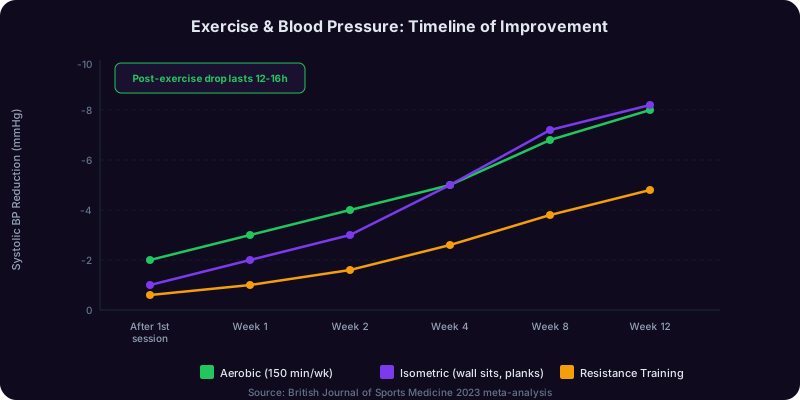
Exercise is one of the fastest-acting natural interventions for blood pressure. A meta-analysis of 391 randomized controlled trials published in the British Journal of Sports Medicine found that exercise lowered systolic blood pressure by an average of 8.96 mmHg in people with hypertension, making it roughly equivalent to a first-line blood pressure medication. The effect begins within the first week and reaches full impact within 4-12 weeks of consistent training.
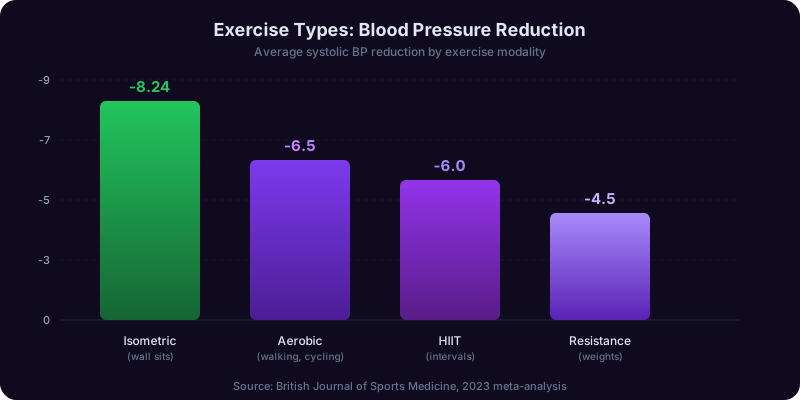
Not all exercise lowers blood pressure equally. Here is what the research shows about different modalities: Try our AI workout planner for step-by-step help.
Aerobic Exercise
Walking, cycling, swimming, and jogging remain the gold standard. The AHA recommends at least 150 minutes per week of moderate-intensity aerobic activity or 75 minutes of vigorous activity. Moderate intensity means you can talk but not sing during the activity. A 2023 meta-analysis in Hypertension found that aerobic exercise reduces systolic blood pressure by 5-8 mmHg on average. The effect is dose-dependent: more minutes per week produce greater reductions, up to about 300 minutes weekly, after which additional benefit plateaus.
Isometric Exercise (Static Holds)
A surprising finding from a 2023 British Journal of Sports Medicine meta-analysis: isometric exercises like wall sits and planks produced the largest blood pressure reductions of any exercise type, lowering systolic pressure by an average of 8.24 mmHg and diastolic by 4.00 mmHg. The protocol used in most studies was simple: four 2-minute holds with 1-4 minutes of rest between sets, performed 3 times per week. Wall sits were the single most effective exercise studied.
Resistance Training
Weight lifting lowers blood pressure by 4-5 mmHg systolic on average, according to a 2023 review in Sports Medicine. The key is proper breathing: exhaling during exertion prevents dangerous spikes in blood pressure during heavy lifts. Avoid holding your breath (the Valsalva maneuver) if you have uncontrolled hypertension. Moderate loads (60-70% of your one-rep max) with higher repetitions (10-15 reps) are safer and produce similar blood pressure benefits to heavier lifting.
High-Intensity Interval Training (HIIT)
HIIT alternates short bursts of intense exercise with recovery periods. Studies show it reduces systolic blood pressure by 5-7 mmHg, comparable to continuous aerobic exercise but in less total time. A typical HIIT session of 20-25 minutes can provide the same blood pressure benefit as 40-45 minutes of steady-state cardio. However, people with uncontrolled Stage 2 hypertension (above 160/100) should get their pressure under better control before starting HIIT.
There is an important immediate effect to understand: blood pressure rises during exercise, sometimes significantly. A systolic reading of 200 mmHg during peak exertion is not uncommon. This is normal and not harmful for most people. The benefit comes from what happens after: blood pressure drops below pre-exercise levels for 12-16 hours post-exercise, a phenomenon called post-exercise hypotension. This is why consistent daily or near-daily exercise produces sustained reductions.
The Fitness Copilot can help you design a blood-pressure-focused exercise program tailored to your current fitness level, schedule, and preferences. If you are new to exercise, start with 10-minute walks and build gradually. The largest benefit comes from going from sedentary to moderately active, not from going from active to very active.

Get Answers From the Health Copilot
Use the Health Copilot to track your blood pressure readings, get personalized DASH diet meal plans from the Nutrition Copilot, and build a blood-pressure-lowering exercise routine with the Fitness Copilot.
Weight Loss and Blood Pressure: The Numbers That Matter
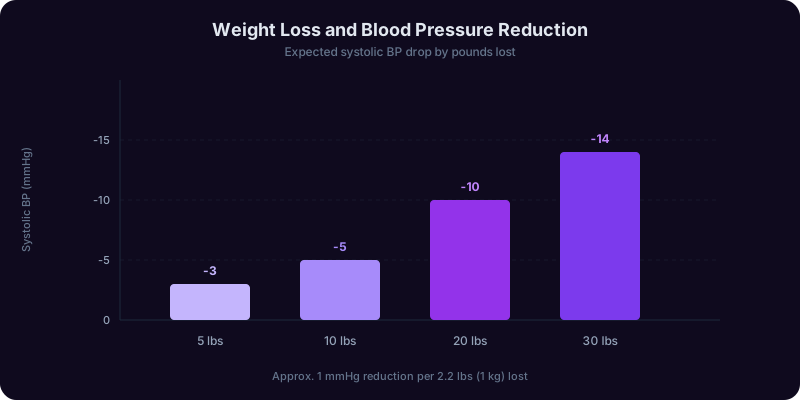
Excess body weight is one of the strongest modifiable risk factors for hypertension. Approximately 75% of hypertension cases in the United States can be attributed to overweight or obesity, according to data from the Framingham Heart Study. The relationship is direct and measurable: for every 2.2 pounds (1 kg) of body weight lost, systolic blood pressure drops by approximately 1 mmHg. This means a person who loses 22 pounds can expect roughly a 10 mmHg reduction in systolic pressure, equivalent to adding a blood pressure medication.
The mechanism is straightforward. Excess body fat increases blood volume, cardiac output, and arterial stiffness. Visceral fat (the fat around your organs, measured by waist circumference) is more harmful than subcutaneous fat (fat under the skin). A waist circumference above 40 inches in men or 35 inches in women independently increases hypertension risk, even in people whose BMI falls in the normal range.
You do not need to reach your "ideal" weight to see benefits. Research consistently shows that losing just 5-10% of your body weight produces clinically meaningful blood pressure reductions. For a 200-pound person, that is 10-20 pounds. A 2024 review in Obesity Reviews found that even 3-5% weight loss reduced systolic blood pressure by 3-5 mmHg in most study participants.
The type of weight loss matters less than the amount. Studies comparing low-fat, low-carb, Mediterranean, and other diets find that blood pressure improves similarly across all dietary approaches, as long as weight is lost. The best diet for blood pressure is the one you can sustain. That said, combining weight loss with the DASH diet produces additive effects: a 2010 study in Archives of Internal Medicine found that overweight adults who followed DASH while losing weight reduced systolic blood pressure by 16 mmHg, nearly double the reduction from either intervention alone.
Here is a realistic timeline for weight-loss-related blood pressure improvements:
| Weight Loss | Expected Systolic BP Drop | Timeline |
| 5 lbs (2.3 kg) | 2-3 mmHg | 2-4 weeks |
| 10 lbs (4.5 kg) | 4-5 mmHg | 1-2 months |
| 20 lbs (9 kg) | 8-10 mmHg | 3-5 months |
| 30 lbs (13.6 kg) | 12-14 mmHg | 5-8 months |
A few critical points. First, crash diets do not produce lasting blood pressure benefits. Rapid weight regain (the yo-yo effect) may actually worsen cardiovascular risk by increasing arterial stiffness and promoting insulin resistance. Aim for a loss rate of 1-2 pounds per week. Second, weight loss medications like semaglutide (Wegovy, Ozempic) and tirzepatide (Mounjaro, Zepbound) have shown significant blood pressure reductions in clinical trials. The SELECT trial found that semaglutide reduced systolic blood pressure by an average of 3.4 mmHg beyond what was expected from weight loss alone, suggesting a direct cardiovascular benefit independent of weight. For more on these medications, see our guide to GLP-1 medications and their side effects.
The Nutrition Copilot can help you set a realistic calorie target for gradual weight loss while ensuring you get enough potassium, magnesium, and other nutrients that support healthy blood pressure. Track your progress alongside your blood pressure readings to see the direct relationship.
Stress Management and Sleep: The Overlooked Blood Pressure Drivers
Chronic stress is not just a feeling. It is a measurable physiological state that directly raises blood pressure through sustained activation of the sympathetic nervous system and the hypothalamic-pituitary-adrenal (HPA) axis. When you are stressed, your body releases cortisol and adrenaline, which constrict blood vessels and increase heart rate. Short-term, this is adaptive. Long-term, it contributes to sustained hypertension, arterial damage, and increased cardiovascular event risk.
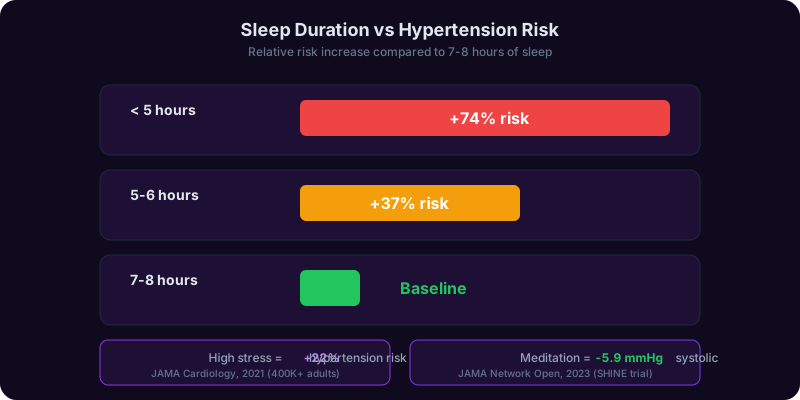
A landmark 2021 study in JAMA Cardiology followed over 400,000 adults and found that those reporting high perceived stress had a 22% higher risk of developing hypertension over a 12-year follow-up compared to those with low stress. The relationship held after controlling for diet, exercise, smoking, and BMI.
Evidence-Based Stress Reduction Techniques
Mindfulness meditation is the most studied stress intervention for blood pressure. A 2023 meta-analysis in JAMA Network Open, which included the influential SHINE trial, found that an 8-week mindfulness-based stress reduction (MBSR) program lowered systolic blood pressure by an average of 5.9 mmHg compared to controls. The protocol involved 45 minutes of daily practice, but subsequent studies have shown that even 10-15 minutes of daily meditation produces measurable reductions of 2-4 mmHg systolic. For more on natural approaches to managing stress, see our guide on how to reduce anxiety naturally.
Deep breathing exercises offer an immediate, dose-dependent effect on blood pressure. The technique studied most is slow-paced breathing at a rate of 6 breaths per minute (5 seconds in, 5 seconds out). This activates the vagus nerve and shifts your nervous system toward parasympathetic (rest-and-digest) mode. An FDA-cleared device called RESPeRATE uses guided breathing at this rate and has been shown to lower systolic blood pressure by 3-4 mmHg with regular use. You do not need the device; a timer and practice achieve the same result.
Try this 4-7-8 breathing technique developed by Dr. Andrew Weil:
- Inhale through your nose for 4 seconds
- Hold your breath for 7 seconds
- Exhale slowly through your mouth for 8 seconds
- Repeat 4 cycles, twice daily
Sleep and Blood Pressure
Sleep is when your blood pressure is supposed to drop by 10-20%, a phenomenon called nocturnal dipping. People whose blood pressure fails to dip at night (non-dippers) have significantly higher rates of heart attack, stroke, and kidney disease. Poor sleep quality and insufficient sleep duration are both linked to non-dipping patterns and daytime hypertension.
A 2023 study in Hypertension found that sleeping less than 7 hours per night increased the risk of hypertension by 37% compared to sleeping 7-8 hours. Sleeping less than 5 hours increased risk by 74%. Obstructive sleep apnea (OSA), which causes repeated breathing interruptions during sleep, is present in an estimated 30-50% of people with hypertension and is one of the most common causes of treatment-resistant high blood pressure. If you snore loudly, wake up gasping, or feel exhausted despite adequate sleep hours, ask your doctor about a sleep study.
For a deep dive into evidence-based sleep improvement strategies, see our guide on melatonin vs magnesium for insomnia. Sleep hygiene practices that support healthy blood pressure include:
- Consistent sleep schedule: Same bedtime and wake time within 30 minutes, even on weekends
- Cool bedroom: 65-68 degrees Fahrenheit is optimal
- No screens 60 minutes before bed: Blue light suppresses melatonin and delays sleep onset
- Limit caffeine after noon: Caffeine has a half-life of 5-6 hours and disrupts deep sleep even if you fall asleep easily
- Limit alcohol: While alcohol may help you fall asleep, it disrupts REM sleep and raises blood pressure in the second half of the night
The Wellness Copilot can guide you through personalized stress management routines, breathing exercises, and sleep hygiene protocols. Building a daily practice takes structure, and having a tool that tracks your consistency makes a meaningful difference.
Supplements and Natural Remedies: What Works, What Doesn't, and What's Dangerous
The Mayo Clinic cautions that supplements should complement, not replace, proven lifestyle changes. The supplement industry generates billions of dollars annually from blood pressure claims, but the evidence behind most products ranges from weak to nonexistent. Here is an honest, research-based breakdown of the supplements most commonly promoted for blood pressure, sorted by strength of evidence.
Strong Evidence
Potassium: This is the most evidence-backed supplement for blood pressure after dietary changes. A 2017 meta-analysis in the Journal of the American Heart Association found that increasing potassium intake by 1,000 mg per day lowered systolic blood pressure by 2.7 mmHg. The effect was even stronger in people eating a high-sodium diet. Potassium works by promoting sodium excretion through the kidneys and relaxing blood vessel walls. The adequate intake target is 3,400 mg per day for men and 2,600 mg for women, but the average American gets only 2,500 mg. Food sources are preferable to supplements: a medium banana provides 422 mg, a baked potato 926 mg, a cup of cooked spinach 839 mg, and a cup of white beans 1,004 mg.
Caution: Do not take potassium supplements if you take ACE inhibitors, ARBs, or potassium-sparing diuretics, as the combination can cause dangerously high potassium levels. Always consult your doctor first. The Medication Copilot can help you check for interactions between supplements and your current medications.
Magnesium: A 2016 meta-analysis in Hypertension covering 34 trials and over 2,000 participants found that magnesium supplementation at doses of 300-500 mg per day lowered systolic blood pressure by 2.0 mmHg and diastolic by 1.8 mmHg. The effect is modest but consistent. Magnesium glycinate and magnesium taurate are better absorbed and less likely to cause digestive issues than magnesium oxide. Good food sources include pumpkin seeds (156 mg per ounce), almonds (80 mg per ounce), spinach (157 mg per cup cooked), and dark chocolate (65 mg per ounce).
Moderate Evidence
Coenzyme Q10 (CoQ10): A 2018 Cochrane review found that CoQ10 supplementation (100-200 mg per day) lowered systolic blood pressure by approximately 4 mmHg in some studies, but the overall quality of evidence was low due to small sample sizes and inconsistent methodology. CoQ10 is particularly relevant for people taking statins, which deplete CoQ10 levels and may contribute to the muscle pain some statin users experience. If you take a statin and have blood pressure concerns, CoQ10 is a reasonable supplement to discuss with your doctor.
Omega-3 fatty acids (fish oil): A 2022 meta-analysis in the Journal of the American Heart Association found that EPA+DHA at doses of 3 grams per day lowered systolic blood pressure by 2.6 mmHg. The effect was dose-dependent: lower doses showed minimal impact. At the effective dose, fish oil also reduces triglycerides by 15-30%, providing a secondary cardiovascular benefit. Most over-the-counter fish oil capsules contain only 300-500 mg of combined EPA+DHA, so reaching 3 grams requires multiple capsules or a concentrated prescription formulation (Vascepa, Lovaza).
Beetroot juice: Dietary nitrates in beetroot juice are converted to nitric oxide, a potent vasodilator. A 2013 study in Hypertension found that 250 mL of beetroot juice daily lowered systolic blood pressure by 4-5 mmHg within 4 weeks. The effect peaks 3-6 hours after consumption. However, long-term studies are limited, and the effect may diminish with chronic use.
Weak or No Evidence
Garlic supplements: Despite extensive marketing, a 2020 Cochrane review found that garlic supplements produced a systolic reduction of only 1-2 mmHg, which is not clinically meaningful. Garlic in food is fine for flavor but should not be relied on for blood pressure management.
Herbal remedies (hibiscus tea, hawthorn, olive leaf extract): Small studies show modest effects for some of these, but the evidence is too thin and inconsistent to make recommendations. None have been tested in large, rigorous clinical trials.
Apple cider vinegar: Despite persistent internet claims, there is no quality clinical evidence that apple cider vinegar lowers blood pressure in humans.
Before starting any supplement, the Health Copilot can help you evaluate the evidence and the Medication Copilot can check for interactions with any medications you currently take.
When You Need Medication: Risk Factors, Drug Classes, and Combining with Lifestyle
Lifestyle changes are powerful, but they have limits. Some people need medication to reach safe blood pressure targets, and delaying drug therapy when it is indicated increases the risk of heart attack, stroke, kidney damage, and heart failure. Knowing when to start medication is as important as knowing how to lower blood pressure naturally.
When Medication Is Recommended
According to the 2025 ACC/AHA guidelines, blood pressure medication is recommended in the following situations:
- Stage 2 hypertension (140/90 or higher): Medication is recommended for all patients, regardless of cardiovascular risk, alongside lifestyle changes
- Stage 1 hypertension (130-139/80-89) with elevated cardiovascular risk: Medication is recommended if your 10-year ASCVD risk score is 10% or higher, or if you have existing cardiovascular disease, diabetes, or chronic kidney disease
- Stage 1 hypertension without elevated risk: A 3-6 month trial of lifestyle changes is recommended first. If blood pressure remains at Stage 1 after consistent lifestyle modifications, medication should be considered
- Any blood pressure above 180/120 (hypertensive crisis): Requires immediate medical evaluation and usually same-day medication initiation
Major Drug Classes
Five primary classes of blood pressure medication exist, each with different mechanisms and side effect profiles:
| Drug Class | Examples | How It Works | Common Side Effects |
| ACE Inhibitors | Lisinopril, enalapril, ramipril | Blocks angiotensin-converting enzyme, reducing vessel constriction | Dry cough (10-20% of patients), elevated potassium |
| ARBs | Losartan, valsartan, olmesartan | Blocks angiotensin II receptors | Dizziness, elevated potassium (less cough than ACE inhibitors) |
| Calcium Channel Blockers | Amlodipine, nifedipine, diltiazem | Relaxes blood vessel walls by blocking calcium entry | Ankle swelling, headache, constipation |
| Thiazide Diuretics | Hydrochlorothiazide, chlorthalidone, indapamide | Reduces blood volume by increasing urination | Frequent urination, low potassium, elevated uric acid |
| Beta-Blockers | Metoprolol, atenolol, carvedilol | Slows heart rate and reduces cardiac output | Fatigue, cold extremities, weight gain, sexual dysfunction |
For most patients without a compelling reason to choose a specific class, current guidelines recommend starting with either an ACE inhibitor/ARB, calcium channel blocker, or thiazide diuretic. Beta-blockers are no longer recommended as first-line therapy for uncomplicated hypertension because they are less effective at preventing stroke than the other classes.
Combining Medication with Lifestyle Changes
This is not an either/or decision. The most effective approach combines both. A 2019 study in the New England Journal of Medicine found that patients who adopted DASH-style dietary changes, regular exercise, and weight loss while on medication achieved blood pressure reductions 50% greater than patients on medication alone. Lifestyle changes can also allow your doctor to reduce medication doses over time, minimizing side effects while maintaining control.
Some patients who achieve Stage 1 blood pressure through a combination of medication and aggressive lifestyle changes may eventually be able to discontinue medication entirely under medical supervision. A 2022 trial in JAMA Internal Medicine found that 40% of patients who combined medication with sustained lifestyle changes maintained normal blood pressure for at least 2 years after carefully tapering off their medication. This is not guaranteed, and you should never stop blood pressure medication without your doctor's approval.
If you are starting a new blood pressure medication, the Medication Copilot can explain how it works, what side effects to watch for, and how it interacts with other medications or supplements you take. If cost is a barrier, see our guide on what to do when you can't afford a doctor. For broader support managing hypertension alongside other health conditions, explore our health scenarios and audience-specific guides available on our platform.
Monitoring Blood Pressure at Home: How to Measure Correctly and When to Call Your Doctor
The Cleveland Clinic recommends home monitoring as essential for effective hypertension management. Home blood pressure monitoring is not optional if you are serious about managing hypertension. A 2019 systematic review in JAMA Internal Medicine found that home monitoring combined with clinical support reduced systolic blood pressure by an additional 3.2 mmHg compared to usual care alone. The AHA considers home monitoring essential for confirming a hypertension diagnosis, evaluating treatment effectiveness, and detecting white coat or masked hypertension.
Choosing a Monitor
Use an upper-arm cuff monitor validated by the Association for the Advancement of Medical Instrumentation (AAMI) or the British Hypertension Society (BHS). Wrist monitors are less accurate because positioning significantly affects the reading. The AHA maintains a list of validated devices at validateBP.org. Expect to pay $40-100 for a reliable monitor. Popular validated options include the Omron Platinum (BP5450), Omron Gold (BP5350), and Withings BPM Connect.
Ensure the cuff size is correct. A cuff that is too small will give falsely high readings; too large will give falsely low readings. Measure your upper arm circumference at the midpoint. Most standard cuffs fit arms 9-13 inches. If your arm is larger, you need a large or extra-large cuff.
How to Measure Correctly
Inaccurate measurement technique is the single most common reason for misleading blood pressure readings. Follow this protocol for reliable results:
- Timing: Measure at the same times each day. The AHA recommends morning (before taking medication) and evening. Avoid measuring within 30 minutes of exercise, caffeine, or smoking
- Preparation: Sit quietly for 5 minutes before measuring. Use the bathroom first; a full bladder can raise systolic pressure by 10-15 mmHg
- Position: Sit with your back supported, feet flat on the floor, legs uncrossed. Crossing your legs can raise systolic pressure by 2-8 mmHg. Rest your arm on a table with the cuff at heart level. An unsupported arm can raise readings by 10 mmHg
- Silence: Do not talk during the measurement. Conversation raises systolic pressure by 10-15 mmHg
- Repetition: Take 2-3 readings one minute apart and record the average. The first reading is often the highest due to an alerting response
- Arm selection: Measure on both arms initially. If there is a consistent difference of more than 10 mmHg between arms, use the arm with the higher reading going forward. A persistent difference above 10 mmHg between arms may indicate peripheral artery disease and should be reported to your doctor
Tracking Your Numbers
Record every reading with the date, time, arm used, and any relevant notes (missed medication, stressful day, poor sleep). A log of 12-24 readings over 1-2 weeks gives your doctor a far more accurate picture than a single office visit measurement. Many digital monitors sync with smartphone apps that chart trends automatically.
When reviewing your log, focus on averages over a week rather than individual readings. Blood pressure varies naturally throughout the day. Morning readings tend to be higher due to the cortisol awakening response. A single high reading does not mean your treatment is failing.
When to Call Your Doctor
Contact your doctor if:
- Your average home readings consistently exceed 135/85 mmHg (home targets are slightly lower than office targets because white coat effect is absent)
- You notice a sustained increase of 10+ mmHg systolic from your usual baseline over multiple readings
- You experience symptoms alongside elevated readings: severe headache, chest pain, shortness of breath, vision changes, or nosebleeds
- Your blood pressure drops below 90/60 with symptoms of dizziness, lightheadedness, or fainting (may indicate over-medication)
Call 911 or go to an emergency room immediately if your blood pressure exceeds 180/120 mmHg on repeated measurement, especially with symptoms such as chest pain, difficulty breathing, back pain, numbness, weakness, vision changes, or difficulty speaking. This is a hypertensive emergency. See our guide on when to go to the emergency room for more on recognizing emergencies.
The Lab Results Copilot can help you understand trends in your home blood pressure readings over time, and the Health Copilot can help you decide whether a particular reading warrants a call to your doctor or a trip to urgent care.
This is general health information, not medical advice. Always consult a healthcare professional.
Frequently Asked Questions
Recommended Copilots
Recommended Copilots
Ask questions about your blood pressure readings and get personalized guidance on lifestyle changes
Try Free →Build a DASH-compliant meal plan and track sodium intake to lower blood pressure through diet
Try Free →Understand blood pressure medications, check for drug interactions, and learn about side effects
Try Free →Design an exercise program proven to lower blood pressure based on your fitness level
Try Free →Track blood pressure trends over time and understand what your readings mean
Try Free →Practice guided breathing exercises and stress management techniques that lower blood pressure
Try Free →Continue Exploring
Related Articles
Get Answers From the Health Copilot
Use the Health Copilot to track your blood pressure readings, get personalized DASH diet meal plans from the Nutrition Copilot, and build a blood-pressure-lowering exercise routine with the Fitness Copilot.